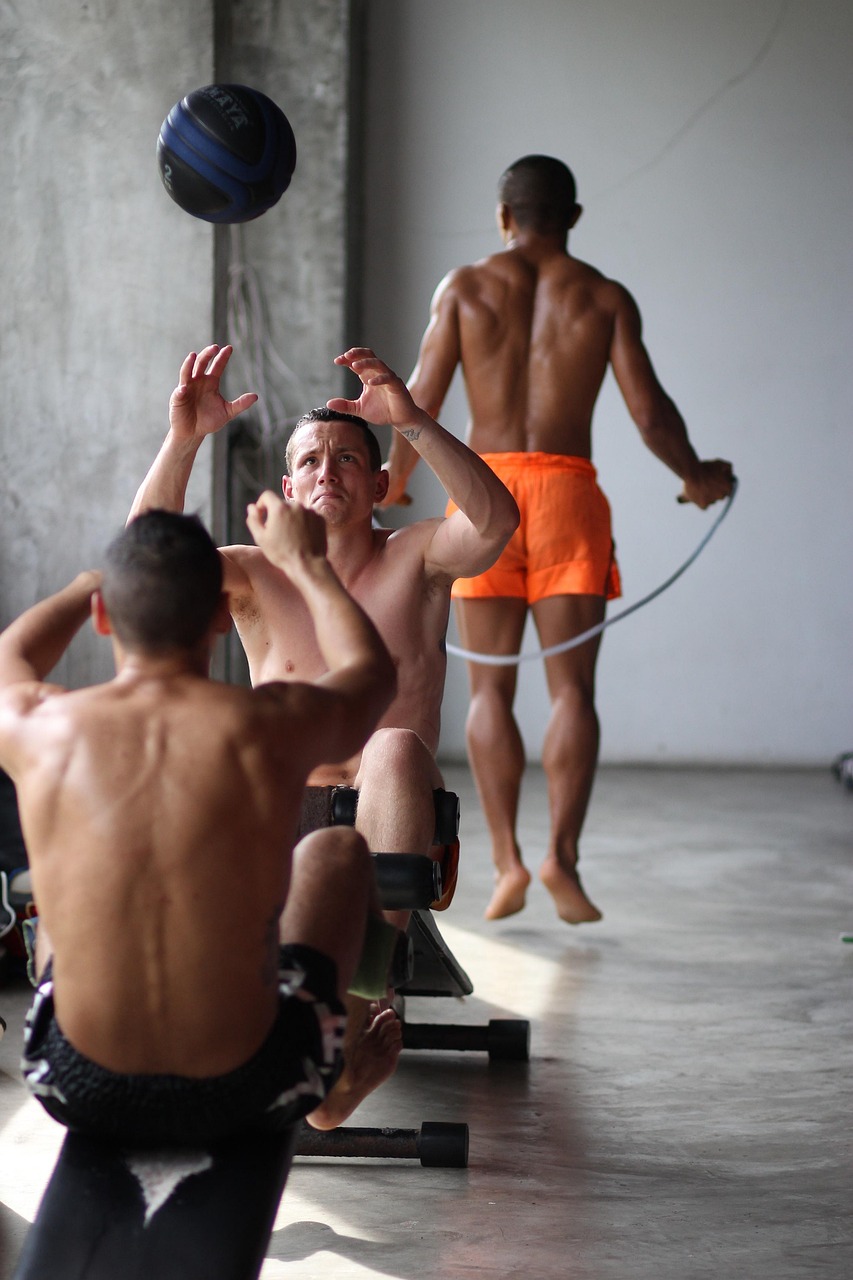
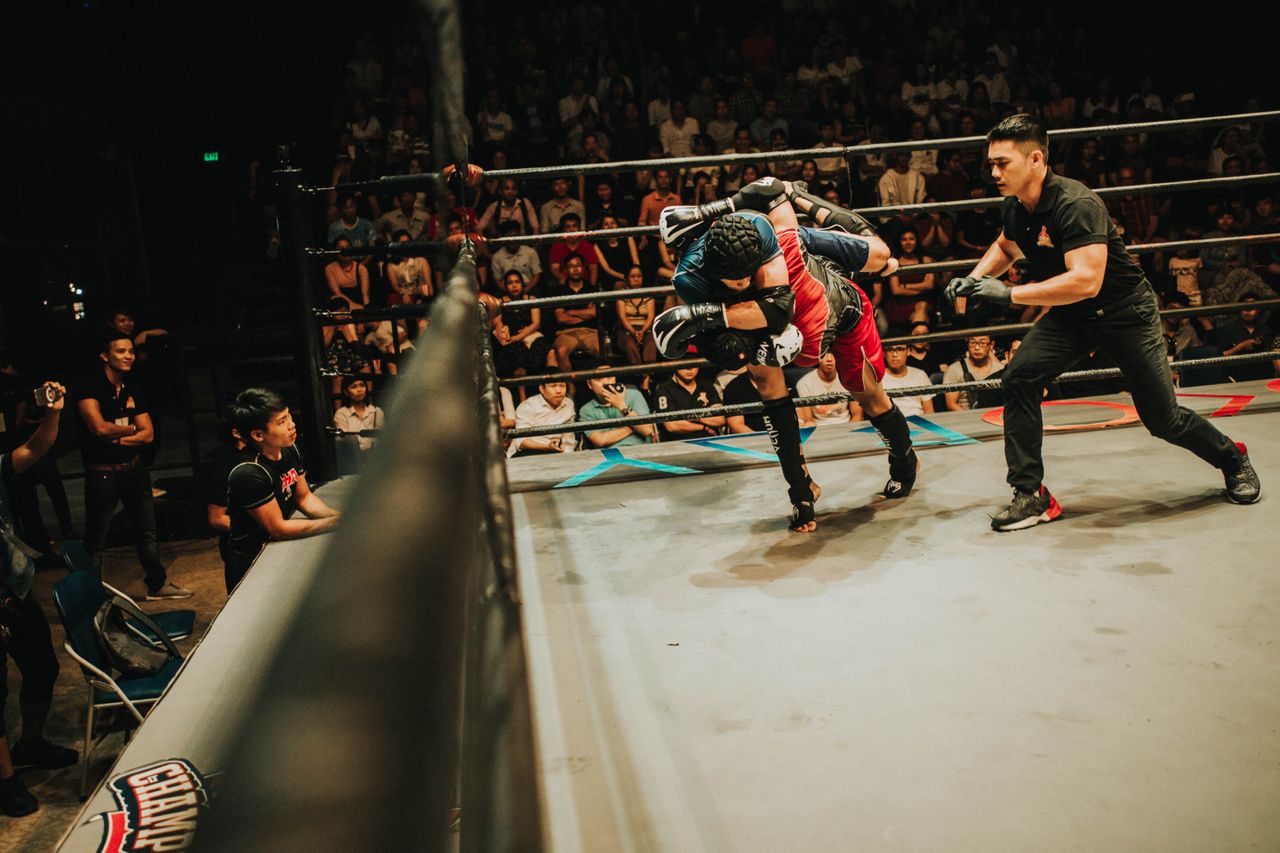
South Dakota’s MMA identity is small, physical, and wrestling-adjacent. The state does not have the dense gym infrastructure of larger markets, but it has something that matters in fighter development: a strong grappling culture, a hard amateur sports environment, and a local fight scene centered heavily around Sioux Falls. MMA in South Dakota is not broad enough to be described as a major pipeline, but it has produced credible professional talent and has hosted meaningful regional-level fights.
The clearest modern name in South Dakota MMA is Devin Clark. A Sioux Falls fighter with a wrestling base, Clark became the state’s most visible representative in the UFC light heavyweight division before continuing his career through the regional scene. His path is important because it matches the state’s athletic profile. South Dakota is not known for flashy striking academies or a dense roster of famous fight camps. Its strongest route into MMA is more direct: wrestling, strength, toughness, and gradual professional seasoning.
Clark’s career also shows how important regional promotions are for South Dakota fighters. Before reaching the UFC, he fought multiple times in Sioux Falls and built momentum through the RFA/LFA pathway. That matters because South Dakota’s fighters are not usually surrounded by endless local opportunities. A promotion willing to stage cards in Sioux Falls can change the shape of the scene by giving local athletes a professional runway without forcing every prospect to relocate immediately.
Sioux Falls is the practical center of the state’s MMA culture. It has the population base, venues, gyms, and athletic infrastructure needed to support local fight nights. The city has also been used by national and regional promotions, giving South Dakota a more visible MMA footprint than its population size might suggest. When high-level regional cards come to Sioux Falls, they do more than entertain fans. They create a bridge between local athletes and the larger MMA economy.
The state’s combat-sports roots are more about wrestling and toughness than a single famous martial art. South Dakota athletes who transition into MMA often need to add striking, cage wrestling, submission defense, and professional pacing after first building a base in scholastic or collegiate-style grappling. That makes the developmental process slower but practical. A fighter with wrestling habits can learn to strike and grapple in MMA-specific ways, but the state needs enough coaching depth and sparring variety to make that transition work.
South Dakota’s limitation is not desire. It is density. There are fewer high-level rooms, fewer elite sparring partners, fewer major gyms, and fewer regular events than in states with bigger cities. That creates a common pathway for serious fighters: build locally, compete regionally, then travel or relocate when the level demands it. The best South Dakota fighters must eventually test themselves against athletes from deeper markets.
Still, the state’s MMA scene has a useful advantage. Smaller scenes often create athletes who are comfortable being overlooked. South Dakota fighters are unlikely to be developed in a hype-heavy environment. They tend to emerge through regional cards, wrestling rooms, local gyms, and long travel schedules. That can produce a durable kind of fighter, even if it does not produce large numbers.
The outlook for South Dakota MMA is steady rather than explosive. The state is unlikely to become a national MMA hub, but it can continue to produce occasional high-level fighters if wrestling, regional promotions, and Sioux Falls-based events remain connected. Its best future is not trying to copy Las Vegas, Dallas, or South Florida. It is building a reliable Northern Plains MMA identity: wrestling-based, locally loyal, physically hard, and dependent on regional competition.
South Dakota’s place in MMA is therefore narrow but real. It is a small-market scene where one strong fighter can carry the flag, where Sioux Falls matters disproportionately, and where the sport survives through the connection between amateur wrestling, local gyms, and regional fight opportunities.