Eritrea’s boxing scene is shaped by modest infrastructure, regional competition, and the country’s broader sporting culture. Eritrea is much better known internationally for endurance sports, especially cycling and distance running, than for boxing. That matters because boxing does not occupy the center of the national sports identity. It exists in a smaller lane, built through amateur participation, youth training, local coaching, and the possibility of international exposure through African competitions and diaspora connections.
The country’s boxing identity fits the profile of an emerging amateur scene. Eritrea does not have a deep professional boxing market, major world title history, or a large domestic fight economy. Its boxing activity is more likely to be rooted in clubs, school or youth programs, military-linked fitness culture, and national federation efforts. In that kind of environment, boxing often develops through discipline before it develops through spectacle. Fighters learn the basics in small gyms, compete where opportunities exist, and try to reach regional or continental tournaments.
Eritrea’s social and athletic environment can produce the traits boxing requires. The country has a reputation for endurance, physical toughness, and disciplined athletes. Those qualities translate well to boxing, even if the sport does not receive the same attention as cycling or running. A boxer needs conditioning, patience, footwork, balance, and mental resilience. In smaller boxing systems, athletes are often built less through abundance and more through scarcity. Limited facilities can make development difficult, but they can also produce fighters who are used to hard training conditions.
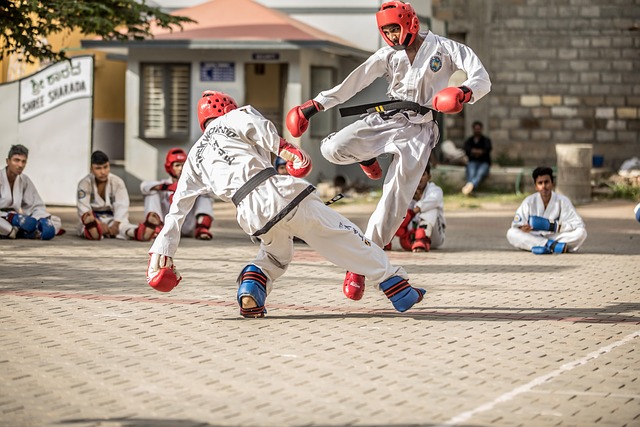
The amateur pathway is the most important part of Eritrean boxing. For countries without a strong professional scene, amateur boxing provides the main connection to the wider sport. Regional tournaments, African championships, Olympic qualification events, and international training camps can give fighters experience they cannot always get domestically. Even when a country does not produce medalists regularly, participation in these events matters because it exposes athletes and coaches to higher standards.
Eritrea’s position in the Horn of Africa also shapes its boxing possibilities. The country sits near boxing environments in East Africa, North Africa, and the Middle East. Fighters from smaller national programs often benefit from cross-border competition and diaspora communities. Eritrean communities abroad, particularly in Europe, North America, and the Middle East, may also become part of the country’s boxing story if athletes with Eritrean heritage train in more developed boxing markets while maintaining ties to national identity.
Famous Eritrean boxers are not widely known on the global professional stage, which is part of the current reality of the sport there. Instead of a champion-driven profile, Eritrean boxing should be understood through its developmental challenges: access to equipment, coaching depth, regular competition, international travel, and the ability to retain athletes long enough for them to mature. Those issues are common across smaller boxing countries, but they are especially important in a country where other sports command more attention.
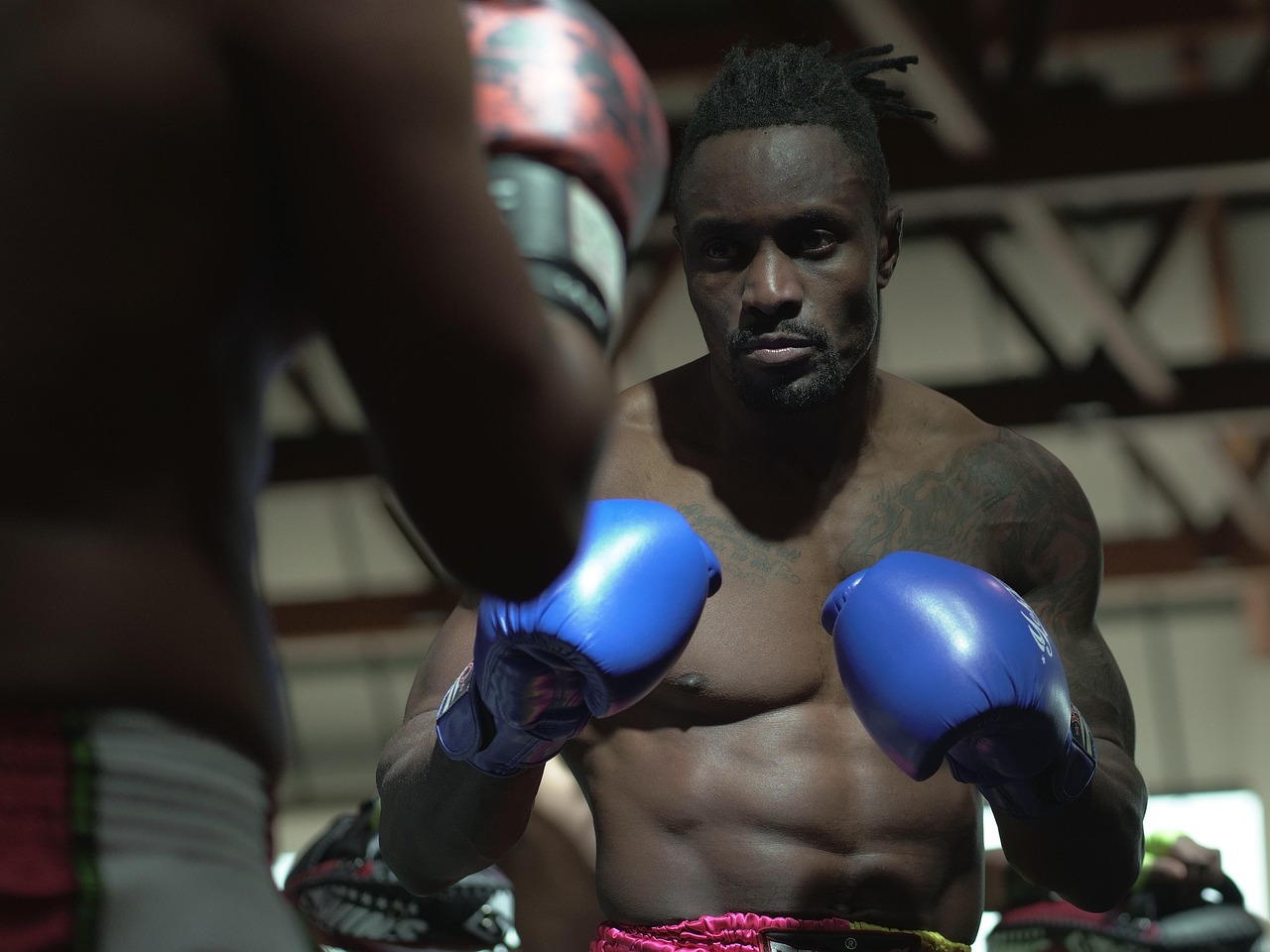
The gym culture in Eritrea is likely to be practical and amateur-focused. Boxing gyms in developing scenes often do not look like polished commercial fitness studios. They are training rooms where athletes learn basic combinations, defense, skipping, bag work, pad work, and sparring. The coach’s role is central because technical knowledge can be the difference between a promising athlete and a fighter who never advances beyond local competition. In a smaller country, one committed coach or club can have an outsized impact.
Women’s boxing could become part of Eritrea’s long-term growth if access expands. Across international boxing, Olympic recognition has made women’s participation more visible, and African women boxers have increasingly appeared in continental and global competitions. Eritrea’s growth in this area would require the same ingredients as the men’s scene: safe training spaces, coaching support, family and community acceptance, and chances to compete.
Eritrea boxing is not yet defined by global fame, but by possibility. The country has athletes with the endurance and discipline the sport demands. What it needs is a stronger competitive pathway. If clubs, coaches, and federation structures can connect more consistently to regional and international tournaments, Eritrea can build a clearer boxing identity. For now, it remains a small but serious amateur-oriented scene, overshadowed by other sports but not without a place in the wider African boxing landscape.