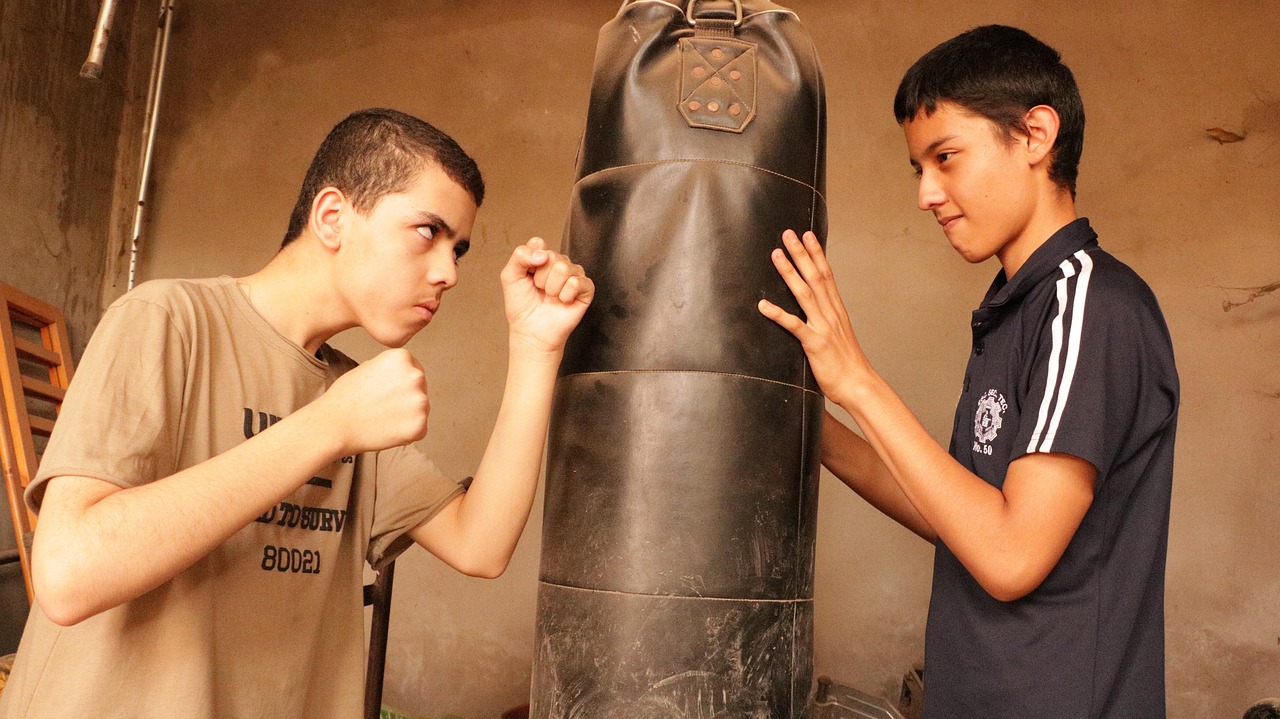
Minnesota boxing has a different rhythm from the major coastal and industrial fight centers. It is not defined by one giant fight city or one globally famous gym. Its identity is regional, durable, and Upper Midwestern. The sport has lived through Minneapolis, St. Paul, small-town heavyweights, local clubs, Golden Gloves competition, casino cards, and fighters who often had to travel to find the larger opportunities that boxers from bigger markets could reach more easily.
The state’s boxing history includes heavyweight ambition, world-title moments, and a steady amateur culture. Duane Bobick is one of the central names. From Little Falls, Bobick became a major American amateur heavyweight, won gold at the 1971 Pan American Games, made the 1972 U.S. Olympic team, and later built a professional heavyweight career. His story fits Minnesota boxing well: disciplined, regional, physically tough, and connected to a time when amateur success could still create national heavyweight expectations. Olympics.com lists Bobick’s professional career at 48 wins with 42 knockouts, a reminder that Minnesota has had fighters who reached well beyond local relevance.
Minnesota’s modern professional identity is often tied to Caleb Truax and Rob Brant. Truax, from the Osseo area, became IBF super middleweight champion after upsetting James DeGale in 2017. His career gave Minnesota a world champion whose path felt especially local: late start, regional development, hard matchmaking, and persistence across years of professional boxing. Minnesota Boxing notes Truax’s IBF title reign and his amateur background as a state, regional, and Upper Midwest Golden Gloves champion.
Rob Brant gave the state another modern title-level figure. Born in Minnesota and tied to St. Paul, Brant developed through the amateur ranks, became part of the U.S. national boxing scene, and defeated Ryota Murata in 2018 to win the WBA middleweight title. The WBA’s own profile identifies Brant as Minnesota-born and notes his win over Murata, while the Minnesota Boxing Hall of Fame highlights his extensive amateur record and professional rise.
The state’s gym culture is practical rather than mythic. Minneapolis and St. Paul are the center of the scene, but Minnesota boxing also depends on smaller communities, regional tournaments, and coaches who keep fighters active without the constant spotlight available in places like Las Vegas, Philadelphia, Detroit, or Los Angeles. Fighters from Minnesota often need a wider map. They may begin locally, compete around the Upper Midwest, fight on casino cards, travel for better sparring, or connect with larger promotional networks once they reach the professional level.
That makes amateur boxing especially important. Golden Gloves programs, youth clubs, and regional competitions are the base of the state’s boxing ecosystem. Minnesota is not likely to produce waves of elite professionals every year, but it can produce disciplined fighters who know how to work, travel, and compete outside their comfort zone. The state’s cold-weather athletic culture also fits boxing: long indoor training seasons, strength work, conditioning, and a smaller but committed fight community.
Minnesota’s boxing future depends on visibility. The state has enough history to matter and enough recent success to stay credible. Truax and Brant proved that Minnesota fighters can reach world-title status. Bobick and earlier heavyweights give the state a deeper archive. What Minnesota needs most is continuity between gyms, amateurs, local promoters, and regional shows. Its boxing identity will probably remain quieter than the great fight capitals, but that does not make it thin. Minnesota boxing is a development scene, a regional circuit, and a stubborn fight culture that keeps producing serious boxers without needing to act bigger than it is.