Nova Scotia has one of the deepest boxing identities in Canada because its history reaches far beyond the size of the province. This is not just a small Atlantic boxing scene with local clubs and amateur tournaments. Nova Scotia belongs in any serious discussion of Canadian boxing because some of the country’s most important fighters came from there. The province’s boxing story runs through Black Nova Scotian history, port-city fight culture, working-class communities, amateur development, and a legacy that connects Halifax and rural Nova Scotia to the wider boxing world.
The two names that define Nova Scotia boxing history are George Dixon and Sam Langford. Dixon, born in Africville, Halifax, became one of boxing’s foundational champions and is widely recognized as the first Black world champion in the sport. His importance goes beyond titles. Dixon fought in the late nineteenth century, when boxing was still becoming a modern professional sport, and his success gave Nova Scotia a permanent place in boxing history.
Sam Langford, born in Weymouth Falls, became one of the most respected fighters ever produced by Canada. He fought across weight classes, built a fearsome reputation, and is often remembered as one of the greatest boxers never given a full world-title opportunity. Langford’s career also speaks to the racial barriers of his era. He was good enough to be feared by elite fighters, but the politics and prejudice of boxing limited the opportunities available to him. For Nova Scotia, Langford is not just a famous boxer from the province. He is part of the province’s sporting memory and one of the strongest links between local boxing and global boxing history.
Nova Scotia’s boxing culture also includes modern amateur and professional figures. Kirk Johnson, from North Preston, became one of the province’s most accomplished heavyweights. His amateur career included major national success, and he later represented Canada internationally before moving into the professional ranks. Johnson’s career helped carry Nova Scotia boxing into a more modern era, showing that the province could still produce serious fighters long after Dixon and Langford.
The province’s current boxing structure is supported by Boxing Nova Scotia, the provincial sport organization responsible for developing and supporting amateur boxing. That role is central because Nova Scotia’s scene is not only about historic names. It is also about keeping clubs active, giving young fighters safe places to learn, and connecting local athletes to provincial and national competition. In Atlantic Canada, a strong amateur system matters because fighters often need regional competition before they can reach larger national stages.
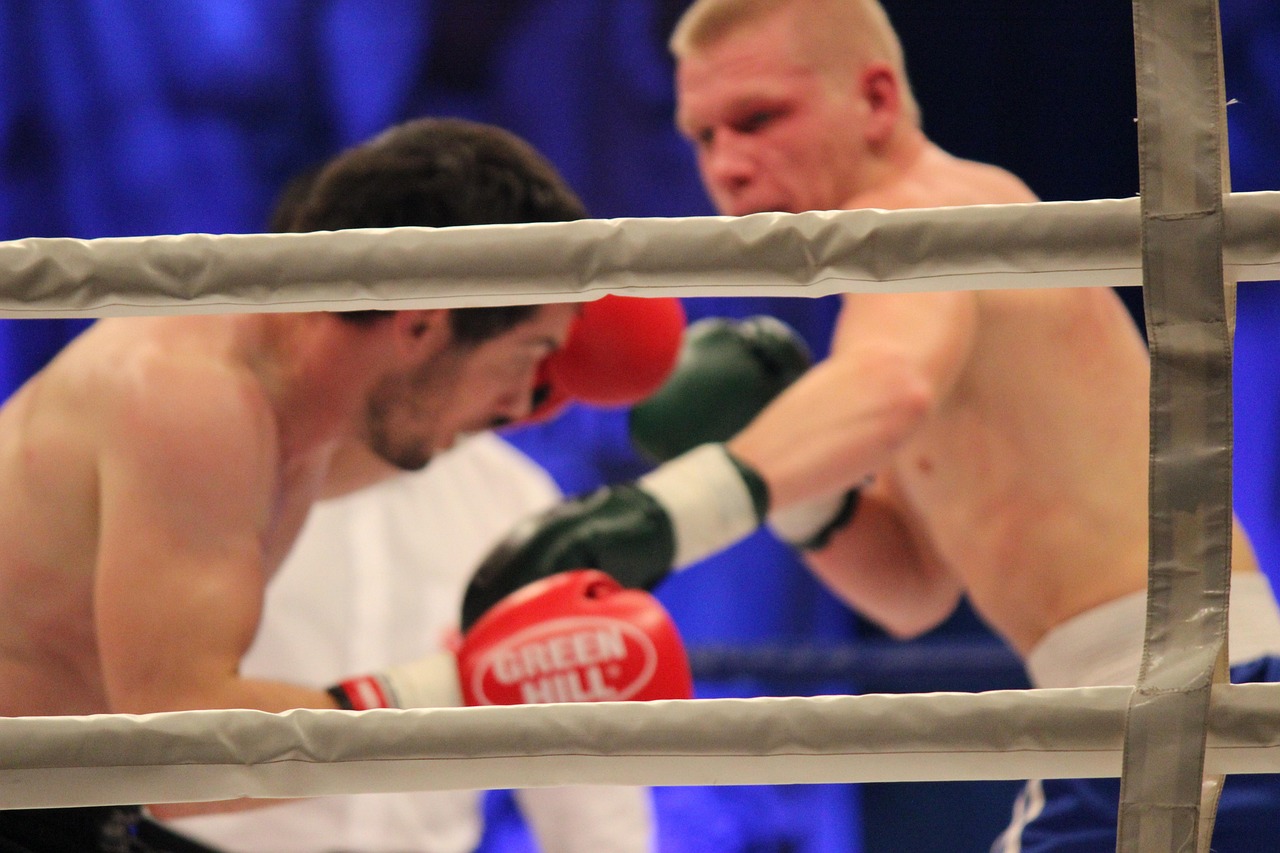
Boxing gyms in Nova Scotia tend to carry an old-school feel. The province is not built around luxury boxing boutiques or celebrity fight events. Its better boxing identity comes from clubs, coaches, fundamentals, sparring rooms, and fighters who learn the sport in community settings. Halifax is the natural center of gravity, but Nova Scotia boxing should not be reduced to one city. Smaller communities have always mattered in the province’s sports culture, and boxing is no different.
Nova Scotia also has a regional role inside Atlantic Canadian boxing. Fighters may compete across provincial lines, travel for tournaments, or look to New Brunswick, Prince Edward Island, Newfoundland and Labrador, Quebec, or Ontario for broader opportunities. That regional circuit helps keep the sport alive. It gives boxers more opponents, more experience, and a clearer sense of where they stand outside their own gym.
The province’s future in boxing depends on whether it can connect its historic legacy to modern participation. The history is already powerful. Dixon and Langford give Nova Scotia a boxing heritage that many larger places cannot match. The next step is always development: more youth participation, more women’s boxing, more trained coaches, stronger amateur events, and more fighters able to move from local gyms to national competition.
Boxing in Nova Scotia has a rare balance. It has genuine history, recognizable names, active amateur structure, and a regional fight culture that still matters. Its boxing identity is not built on size. It is built on legacy, toughness, and the fact that a small province has produced fighters whose names belong to the larger history of the sport.