Boxing in the Maldives is best understood as a small, emerging fight scene inside a broader martial arts and fitness culture. The country is not known as a traditional boxing power, and it has not built its sporting reputation around Olympic boxing medals, famous professional champions, or major fight promotions. Its boxing story is more recent and more developmental: a growing interest in striking sports, training spaces in and around Malé, and participation shaped by the realities of a small island nation.
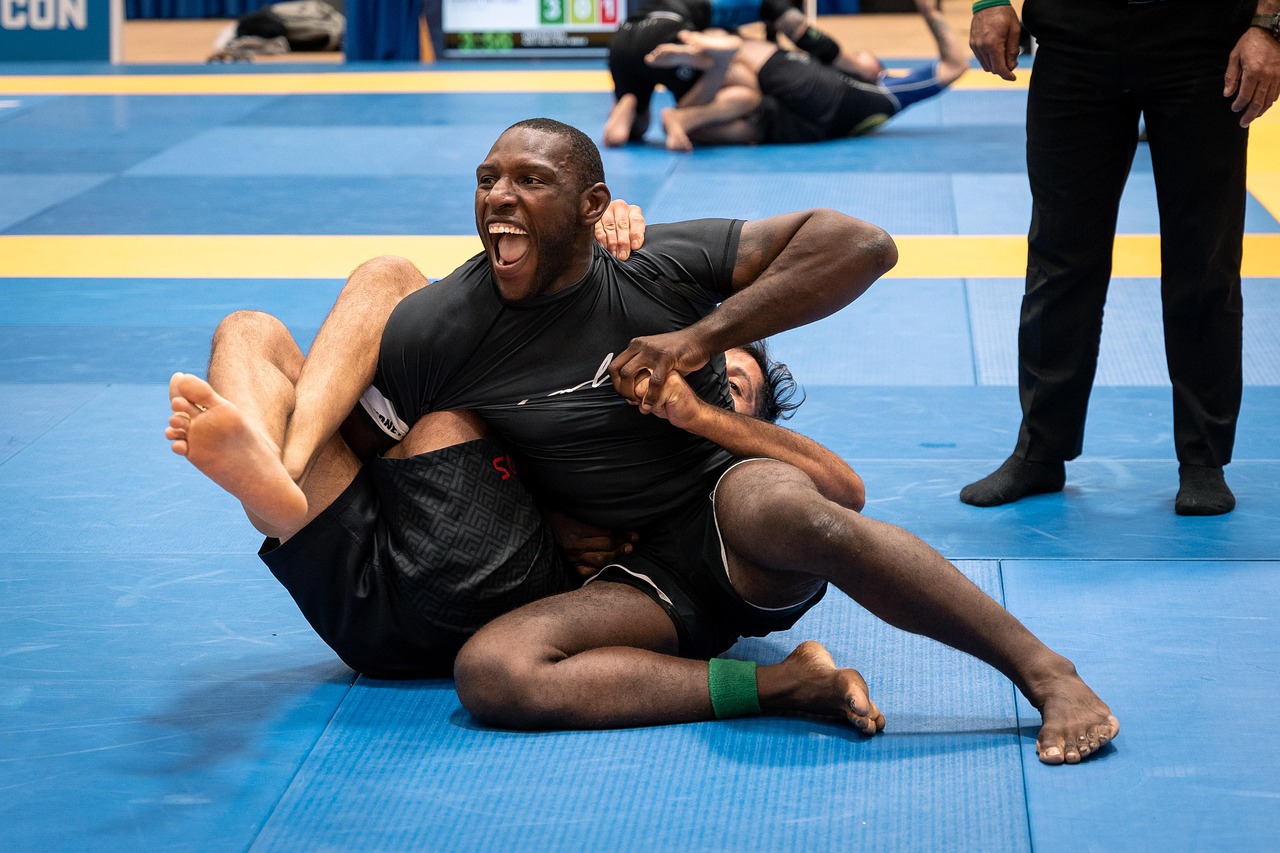
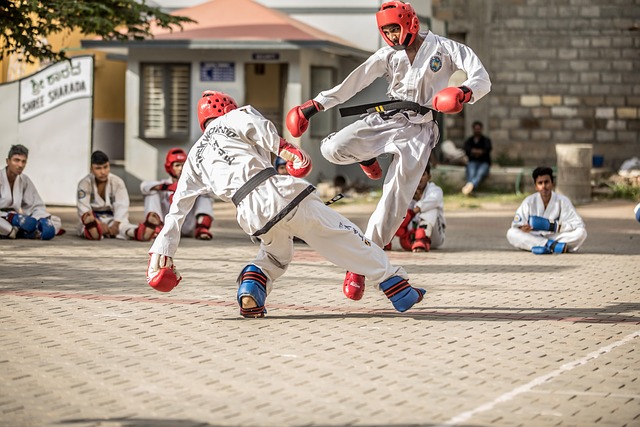
The Maldives has a strong regional sports identity through South Asia, but boxing has had to compete for attention with football, volleyball, water-based recreation, fitness training, and other martial arts. In combat sports, boxing often appears alongside Muay Thai, kickboxing, and self-defense programs rather than as a fully separate mass-participation system. That crossover identity is important. In the Maldives, many people encounter boxing through mixed striking classes, fitness boxing, or martial arts academies before they think of it as an amateur or professional competitive pathway.
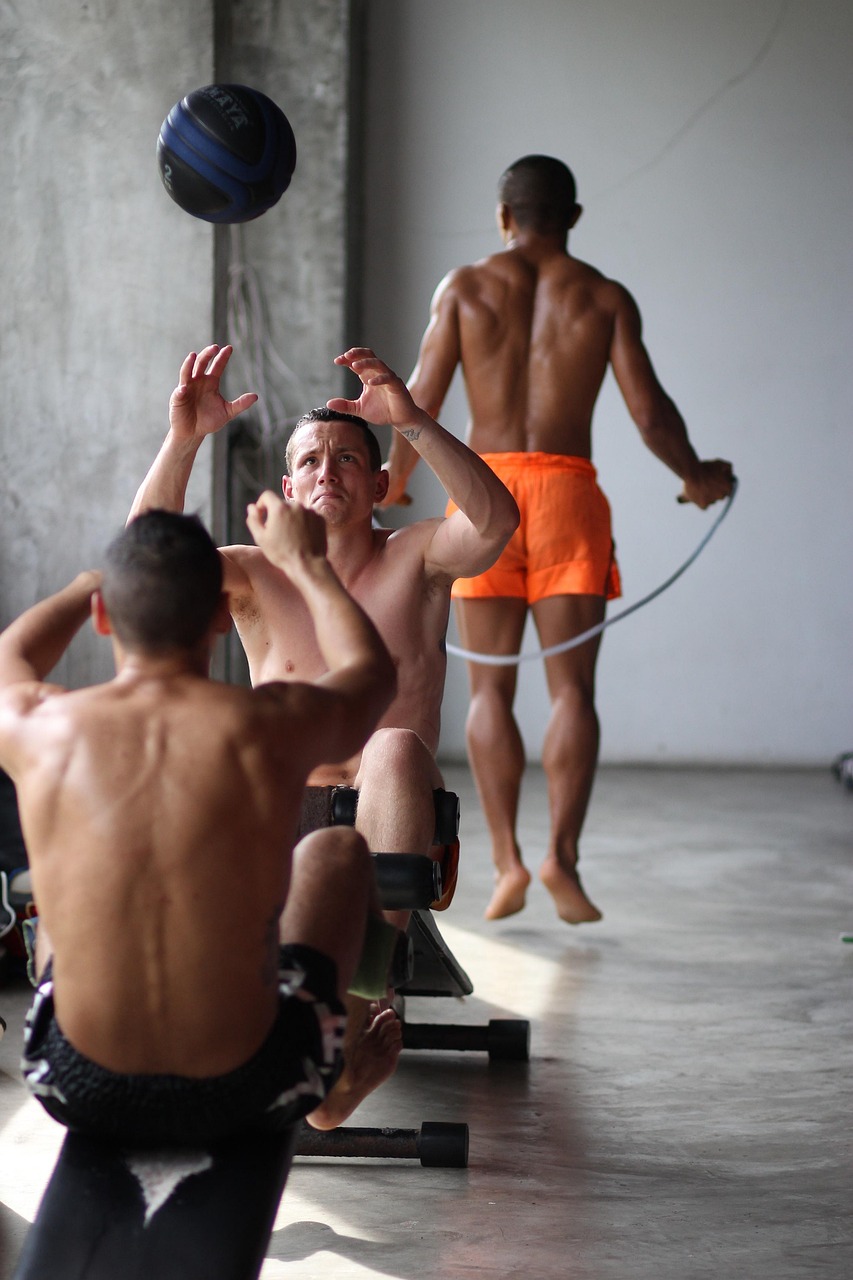
The training scene reflects that reality. Fightsoul Maldives, for example, presents itself as a martial arts academy offering Muay Thai, boxing, and kickboxing training. That kind of model is typical in smaller combat-sports markets. A gym cannot always survive by serving only competitive boxers, so it builds a broader community around conditioning, striking technique, self-defense, and fight training. From that base, a smaller number of athletes may move toward sparring, amateur competition, or regional events.
The Maldives’ geography creates both obstacles and opportunities for boxing. The country’s island structure makes it harder to build a dense national club circuit. A major boxing country needs frequent local competition, multiple gyms producing fighters at the same level, experienced officials, and a steady coaching pipeline. For the Maldives, those pieces are harder to assemble because the population is smaller and more dispersed. Travel, equipment access, and opponent depth are real issues.
At the same time, the Maldives sits inside a useful regional frame. The South Asian Games include Afghanistan, Bangladesh, Bhutan, India, Maldives, Nepal, Pakistan, and Sri Lanka, giving Maldivian athletes a regional multi-sport context. For boxing, South Asia offers a natural competitive neighborhood. India, Pakistan, and Sri Lanka have deeper boxing histories, which can create opportunities for camps, tournaments, coaching exchange, and higher-level tests for Maldivian fighters.
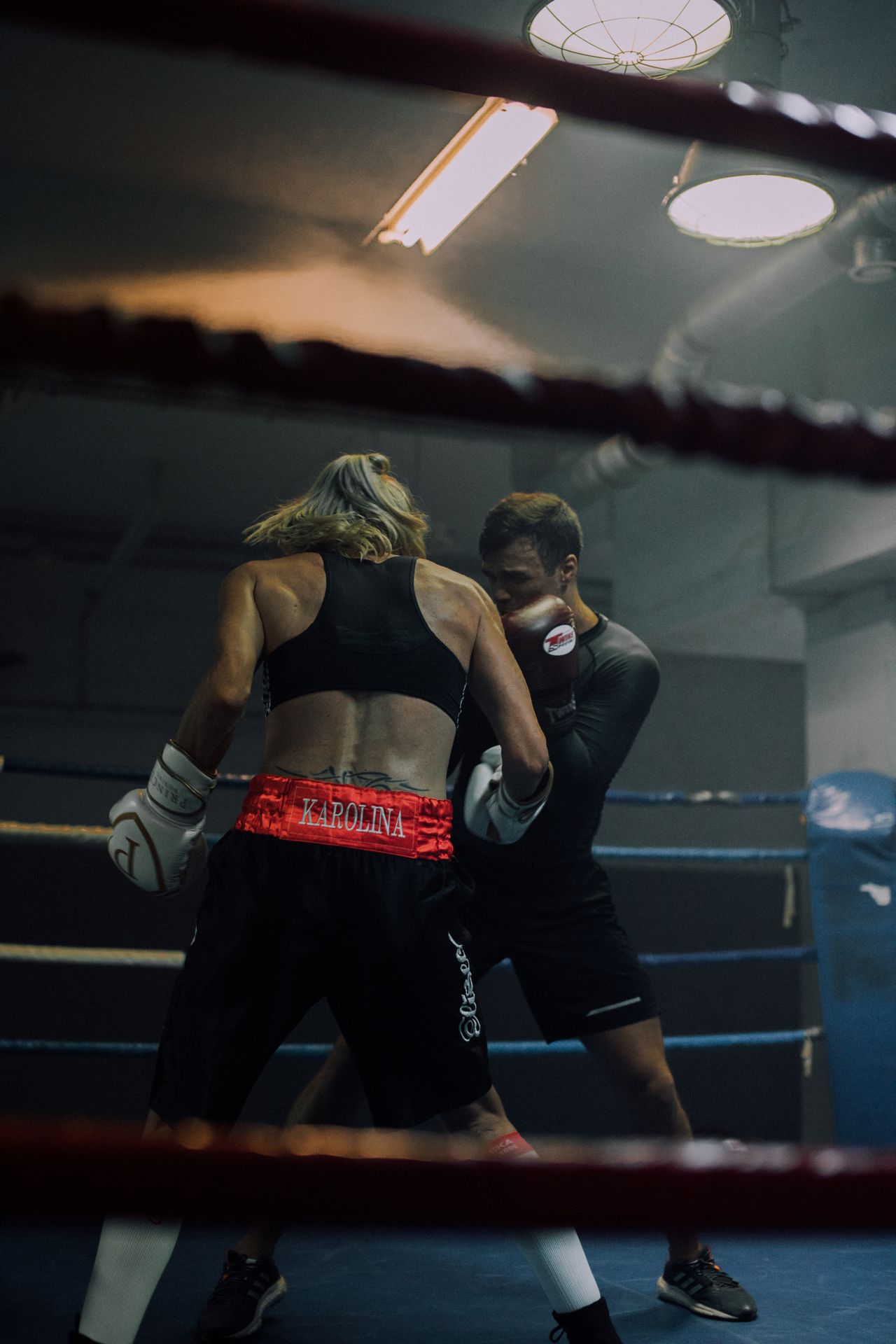
The country’s boxing future is likely to grow first through participation rather than professional stardom. Fitness boxing can introduce the sport to young athletes and adults. Kickboxing and Muay Thai programs can create a striking base. Amateur boxing can then develop if there are enough coaches, officials, rings, youth programs, and regional competitions. Women’s participation could also become important, especially in a modern training culture where boxing is increasingly marketed as fitness, confidence, and self-defense as well as competition.
The Maldives should not be judged against countries with century-old boxing federations or crowded professional circuits. Its boxing identity is still being formed. The meaningful question is not whether the Maldives is producing world champions yet, but whether the country is building a sustainable combat-sports ecosystem where boxing has a defined place.
Right now, boxing in the Maldives is a young scene with crossover energy. It lives in gyms, martial arts academies, fitness spaces, and regional sporting ambition. If that foundation becomes more organized, the Maldives can develop a modest but real boxing pathway: beginners entering through fitness, serious athletes moving into amateur training, and the best fighters seeking experience across South Asia. That would fit the country’s scale and give Maldivian boxing a practical future.