MMA in the Northwest Territories is one of the clearest examples of a grassroots combat-sports scene shaped by geography. This is not a territory with a large professional fight circuit, a steady stream of nationally known MMA prospects, or a cluster of major fight gyms. Its identity is smaller, more practical, and more community-driven. MMA exists here through the pieces that make MMA possible: Brazilian jiu-jitsu, boxing, kickboxing, self-defense training, fitness-oriented striking, and small groups of athletes willing to train in a remote northern environment.
Yellowknife is the natural centre of the territory’s martial arts activity. As the capital and largest community, it carries most of the realistic infrastructure for combat sports. That does not make it a major MMA hub, but it does make it the place where grappling, striking, and mixed training can overlap. In a market this small, one gym, one coach, or one committed training group can matter far more than it would in a larger city. The difference between an inactive scene and a viable local scene may come down to a handful of instructors keeping classes alive year after year.
The Northwest Territories also has a distinct regulatory and logistical profile. Unlike some small Canadian jurisdictions where professional MMA has struggled because of sanctioning gaps, Yellowknife has had a municipal framework for combative sports that includes mixed martial arts rules. That does not automatically create a large event economy. Legal possibility and practical reality are different things. To stage MMA in the North, promoters must deal with travel costs, small population, limited opponent pools, officials, medical requirements, venue expenses, and the basic difficulty of moving people across long distances.
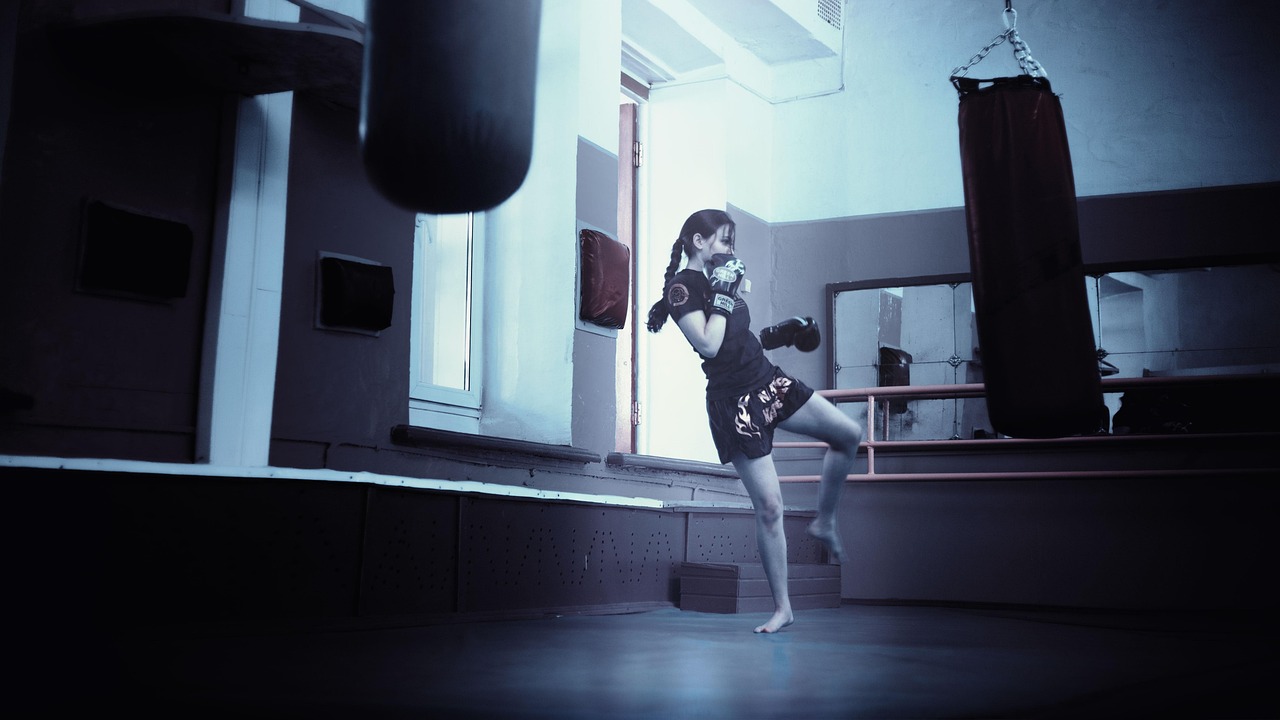
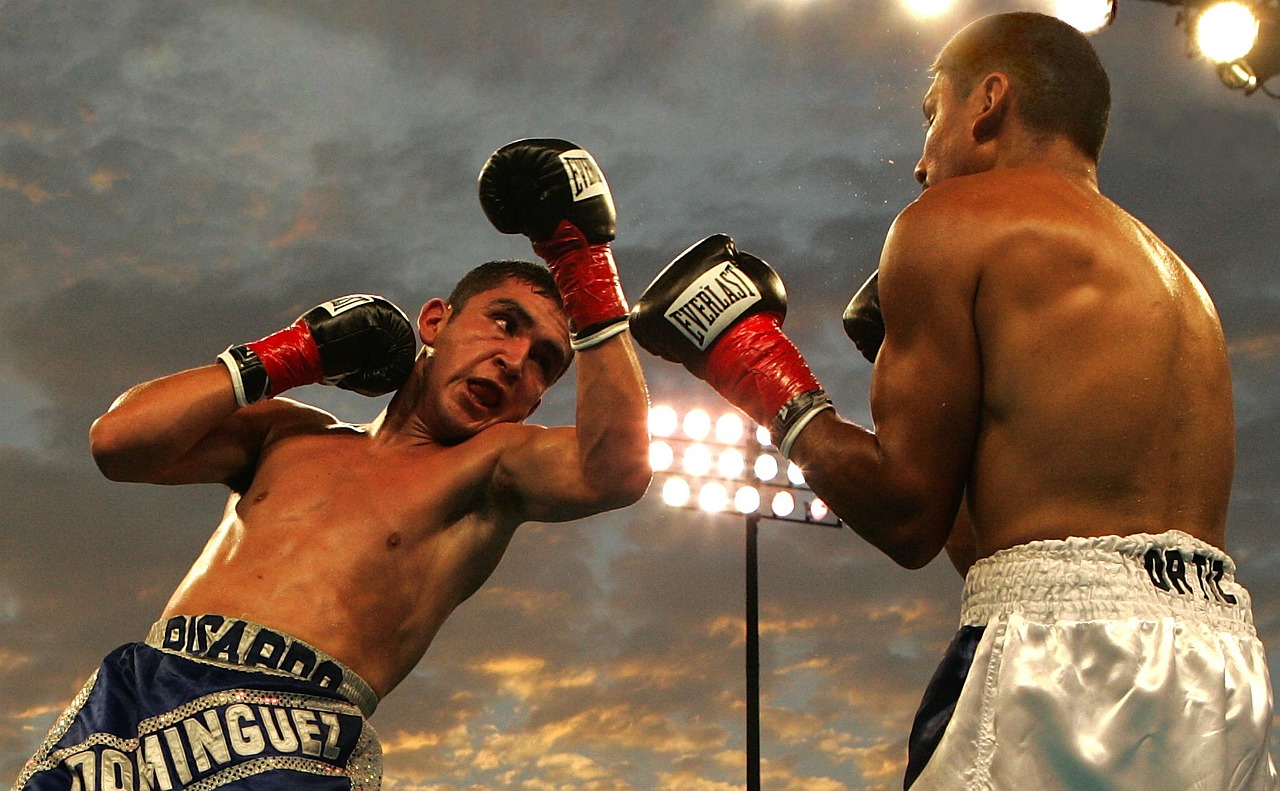
That is why the territory’s combat-sports identity is better understood through participation than through professional visibility. Boxing and kickboxing programs can develop discipline, conditioning, footwork, and striking confidence. Brazilian jiu-jitsu gives athletes a grappling base and a way to compete without needing a full MMA card. Fitness kickboxing and self-defense classes bring more people into martial arts culture, even if most never intend to fight. Together, those pieces create the local foundation from which MMA can grow.
The challenge is depth. MMA is an unforgiving sport for isolated communities because it requires variety. Fighters need different body types, different styles, fresh sparring partners, and regular competitive tests. A boxer can sharpen skills with fewer specialized partners. A jiu-jitsu athlete can travel for tournaments or train within a small room. MMA demands more integration. A fighter needs to learn how to strike while defending takedowns, grapple against the fence, escape bad positions, and manage fatigue under pressure. Those skills are hard to build without a wider regional circuit.
For Northwest Territories athletes, the development path is therefore regional by necessity. A serious fighter may begin in Yellowknife, but long-term growth usually requires travel south or west for camps, competitions, seminars, and higher-level sparring. Alberta, British Columbia, and other western Canadian markets become important reference points. The Northwest Territories can produce tough and disciplined martial artists, but the final stages of MMA development often require leaving the territory for deeper rooms.
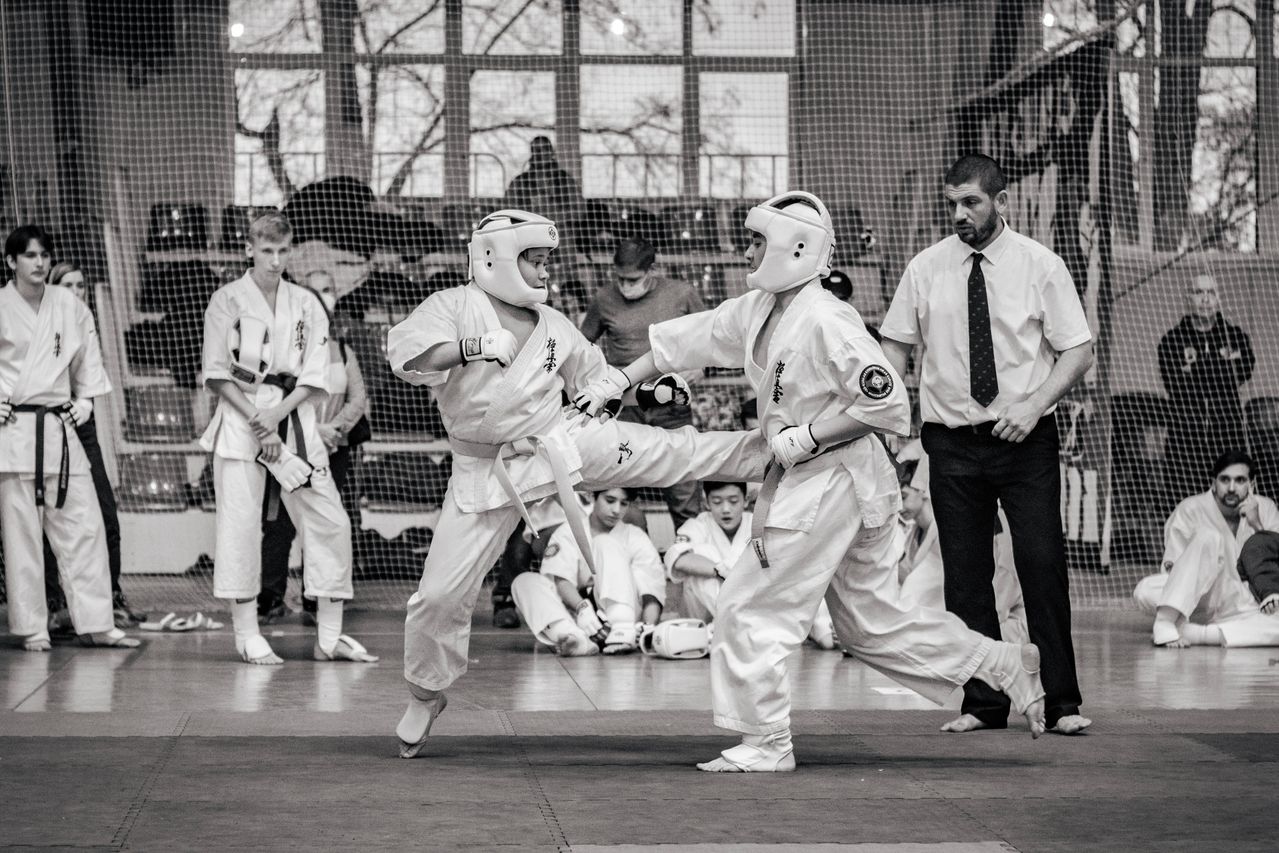
That does not make the local scene unimportant. It makes it foundational. The first job of MMA in the Northwest Territories is not to compete with Vancouver, Calgary, Edmonton, Toronto, or Montreal. It is to create entry points: kids classes, boxing programs, kickboxing teams, jiu-jitsu rooms, safe sparring cultures, and coaches who can keep athletes interested long enough to reach the next level. In that sense, the territory’s MMA identity is honest and specific. It is not a star-driven market. It is a northern training culture where MMA grows through persistence, small communities, and the gradual layering of combat-sports skills.