Combat sports in Saint Vincent and the Grenadines are shaped by the realities of a small Caribbean nation: limited population, concentrated sports infrastructure, strong community networks, and a sporting culture where athletes often have to be resourceful. The country is not known as a major global fight-sports power, but that does not mean combat sports are absent. Instead, the scene is best understood as compact, developing, and centered around accessible disciplines such as boxing, karate, taekwondo, judo, and general martial arts training.
The country’s combat sports activity is most likely to be found around Kingstown and the more populated areas of Saint Vincent, where gyms, schools, community centers, and organized clubs have the best chance of sustaining regular participation. In a country spread across multiple islands, geography matters. Training opportunities are not evenly distributed, and many athletes depend on local coaches, school connections, informal training groups, or periodic federation activity rather than large commercial gym networks.
Boxing has the clearest fit within the broader Caribbean sports tradition. Across the region, boxing has long appealed to athletes because it requires relatively modest facilities compared with many team sports. A dedicated coach, a basic gym space, bags, gloves, conditioning work, and sparring partners can create a serious training environment even without a large national system. In Saint Vincent and the Grenadines, boxing’s potential sits in that same community-based lane: disciplined, accessible, and capable of producing committed athletes even when the competitive calendar is limited.
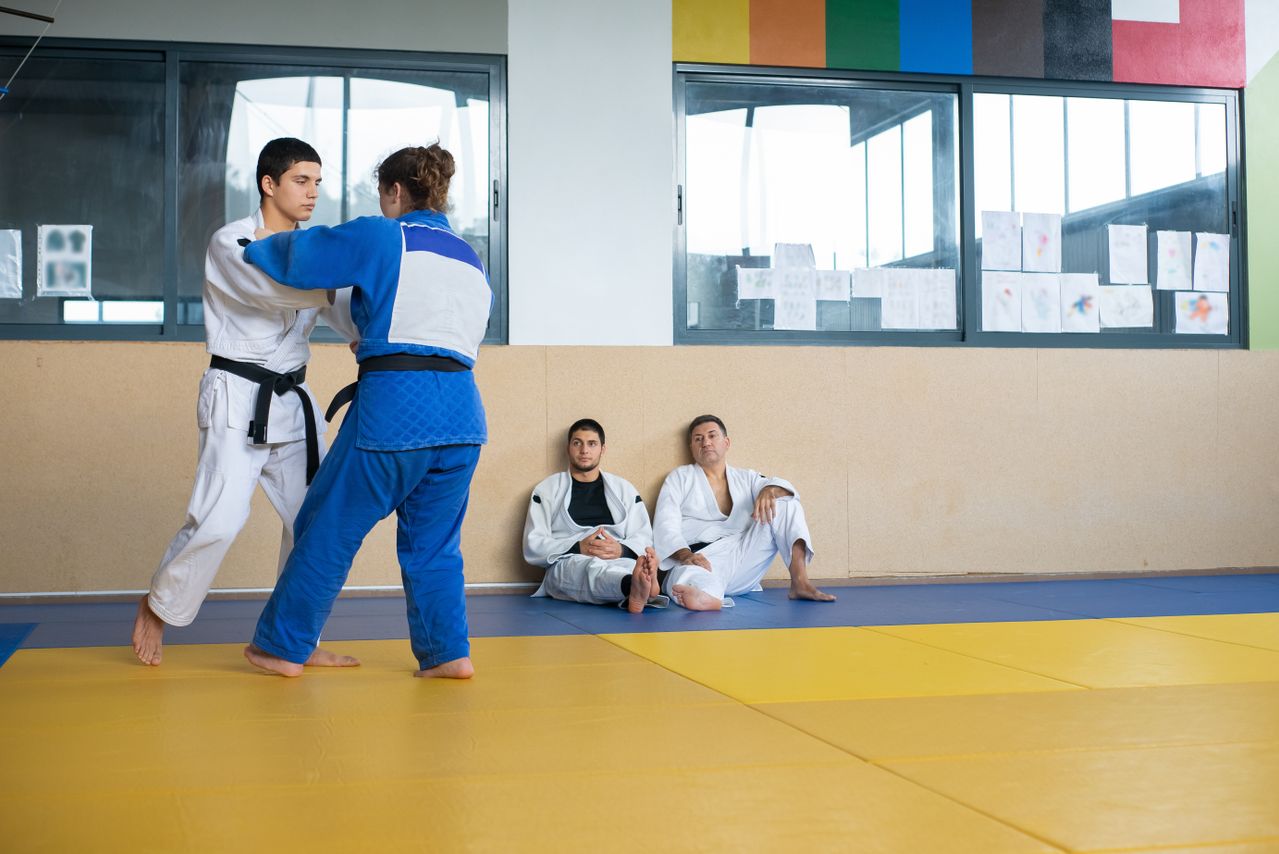
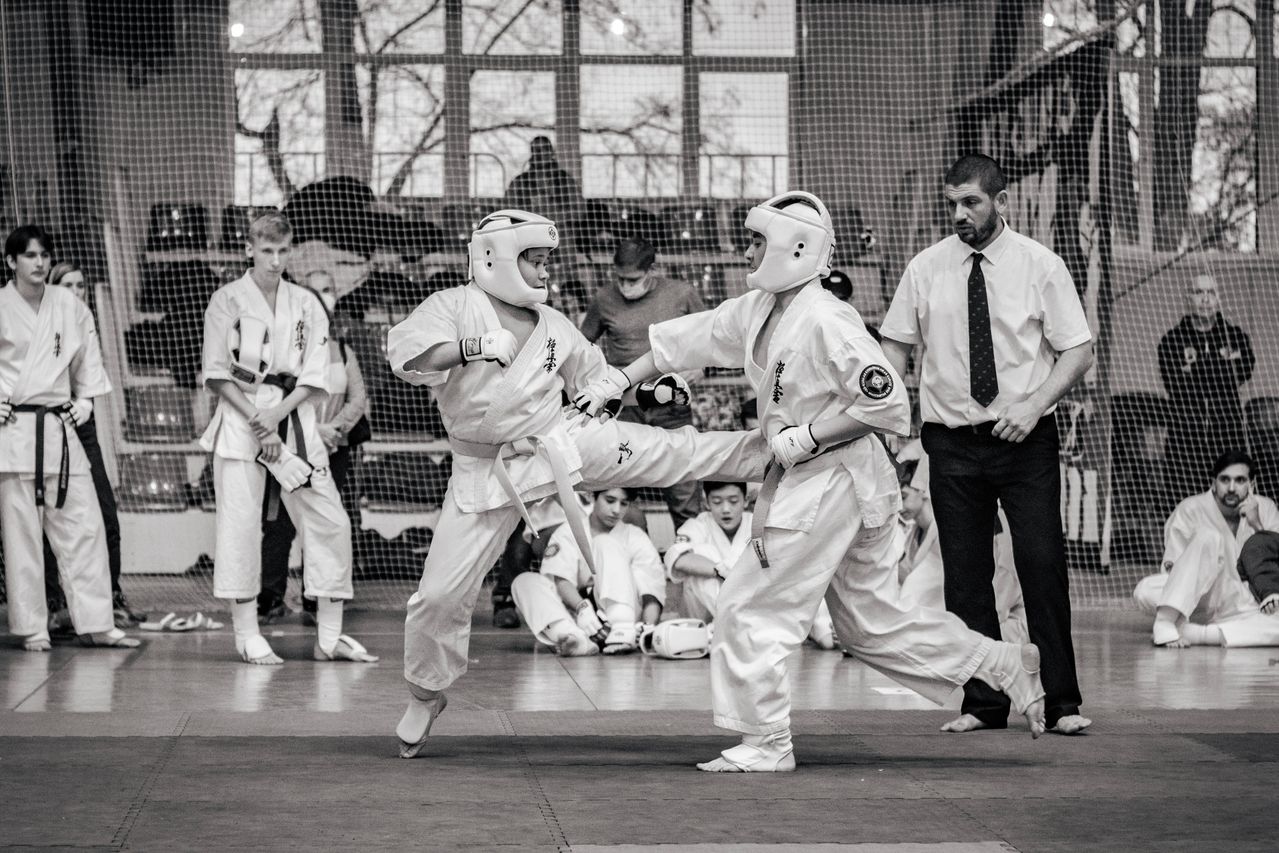
Traditional martial arts also have an important role. Karate and taekwondo are often among the most practical combat sports for smaller countries because they can be taught through structured classes, youth programs, belt systems, and school-age participation. These sports offer clear progression for beginners and can serve multiple audiences at once: children learning discipline and coordination, adults looking for fitness or self-defense, and competitors preparing for regional tournaments. Judo can play a similar role where coaching and mat space are available, especially because it connects to Olympic-style development and gives smaller athletes a technical path into grappling.
MMA in Saint Vincent and the Grenadines is still best described as emerging rather than established. The sport’s global visibility has increased interest across the Caribbean, but building a real MMA ecosystem requires more than enthusiasm. Fighters need striking coaches, grappling instruction, wrestling or takedown training, safe sparring standards, and access to competition. In small island nations, those pieces may exist separately before they exist as a fully integrated MMA scene. A boxer may cross-train with a karate instructor. A judoka may explore submission grappling. A fitness gym may add kickboxing-style classes before developing true fight-team infrastructure.
The country’s strongest combat sports pathway is likely regional rather than purely domestic. Athletes from Saint Vincent and the Grenadines benefit when they can compete or train with neighboring Caribbean nations, attend regional tournaments, and connect with larger sporting networks in Barbados, Trinidad and Tobago, Grenada, Saint Lucia, Jamaica, or the wider diaspora. That regional exchange is essential because small domestic scenes need outside competition to sharpen athletes.
The future of combat sports in Saint Vincent and the Grenadines depends on coaching depth, youth access, and consistent organization. The foundation is not a massive professional fight industry. It is the smaller but meaningful work of keeping clubs active, giving young athletes safe places to train, and building pathways from beginner classes into regional competition. Combat sports here are not defined by scale. They are defined by persistence, community coaching, and the ability to make serious training possible in a small-island environment.