Boxing in Iceland has always carried a different kind of weight because the sport has had to develop inside one of Europe’s most unusual legal and cultural environments. In many countries, boxing history is built around old arenas, famous champions, neighborhood gyms, and professional title fights. Iceland’s boxing story is instead defined by absence, restriction, revival, and persistence. The country has produced far fewer internationally known fighters than larger European boxing nations, but that does not mean boxing has no identity there. Its identity is that of a small, disciplined scene trying to grow a combat sport that has spent much of modern Icelandic sporting history under unusually tight limits.
The central fact of Icelandic boxing is the long divide between Olympic-style boxing and professional prizefighting. Boxing competitions, instruction, and related activity were banned in Iceland in 1956, and Olympic boxing was not legally restored until 2002. That history still shapes how the sport is understood, even among people who do not follow boxing closely. Iceland is not a place where professional boxing became a normal weekend sports product. It is a country where the basic legitimacy of the sport had to be rebuilt through amateur rules, safety standards, club organization, and international sporting recognition.
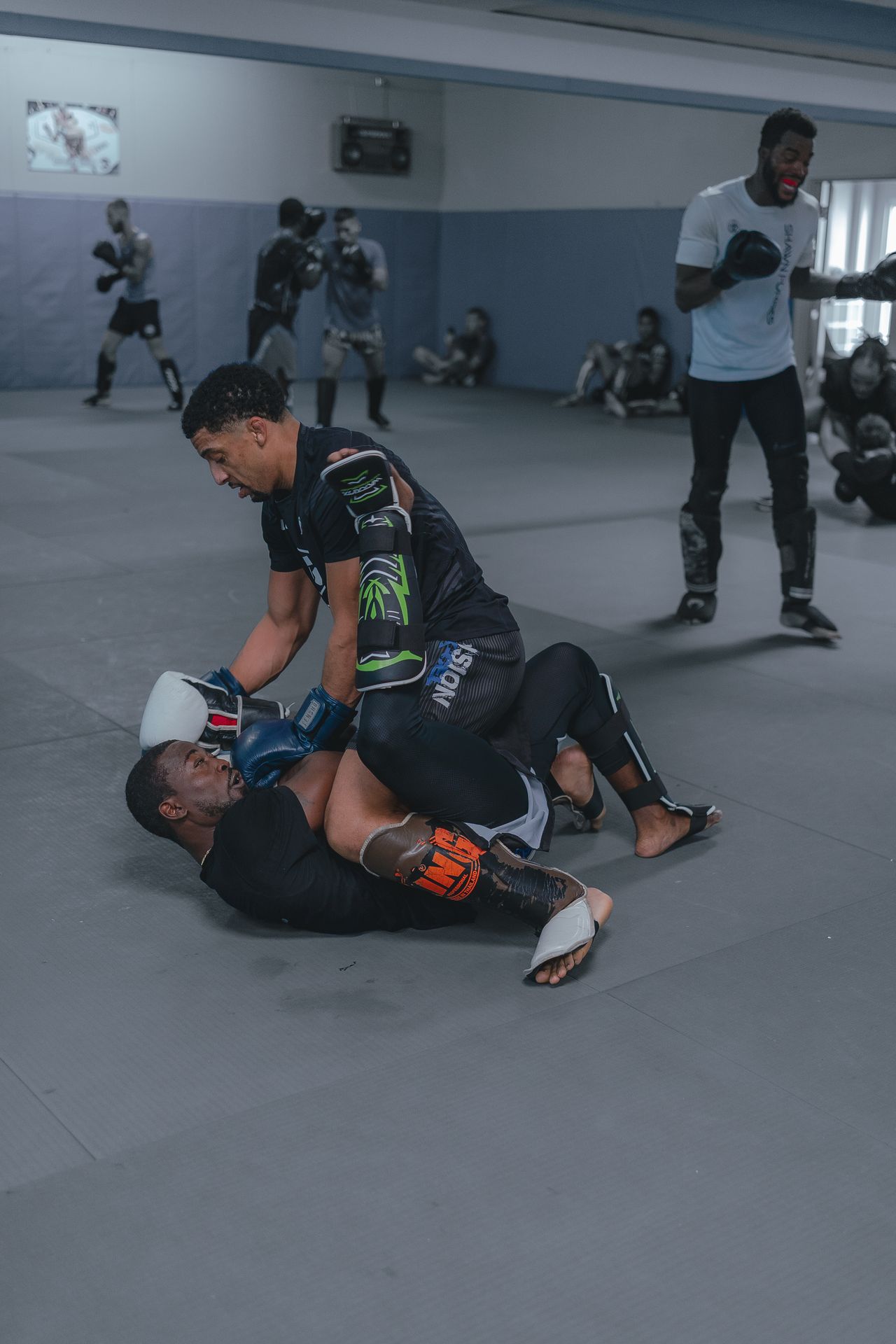
Because of that, boxing gyms in Iceland tend to function less like old prizefighting factories and more like controlled technical environments. The emphasis is on Olympic boxing, fitness, fundamentals, discipline, and gradual development. Icelandic boxing does not have the deep professional gym mythology of London, Philadelphia, Mexico City, or Buenos Aires. It is closer to a club-based Nordic model, where participation, coaching standards, and regulated amateur competition matter more than a steady stream of professional shows. When the Icelandic Boxing Federation was established in 2015, reports described a scene of several regional associations and hundreds of Olympic boxing participants, showing that the sport had already developed a real participation base even without a large professional structure.
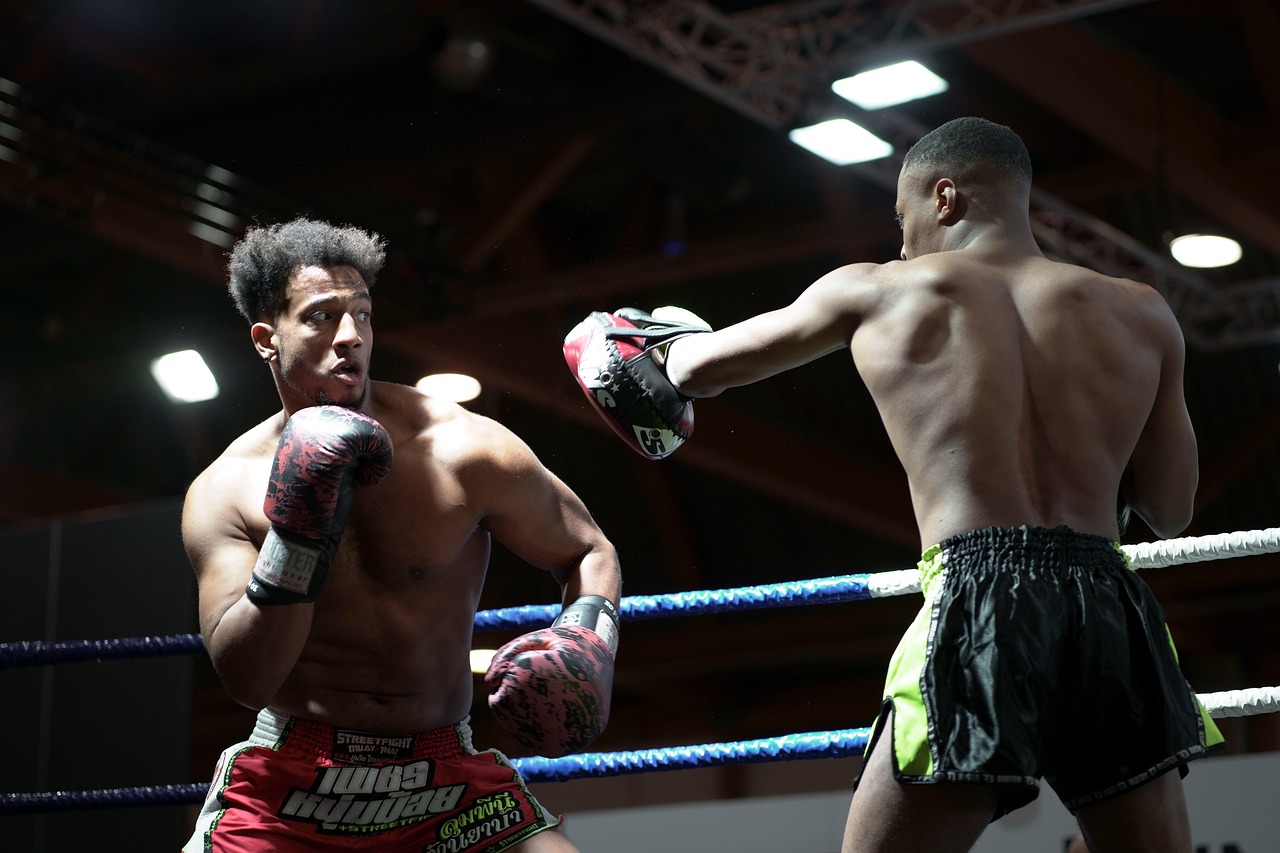
The most visible modern name in Icelandic boxing is heavyweight Gunnar Kolbeinn Kristinsson, often known as Kolbeinn Kristinsson. His career matters because he represents the route Icelandic professional fighters have often had to take: train with an Icelandic identity, but compete abroad. In a sport where geography usually matters, that is a major distinction. A Mexican fighter can rise through Mexican shows. A British fighter can build through domestic small halls. An American fighter can move from local cards to television. An Icelandic professional boxer has to think internationally almost from the start. Kristinsson’s heavyweight career, including title-level activity abroad, has made him the clearest example of what an Icelandic professional boxing pathway can look like under those conditions.
The smaller size of the Icelandic boxing scene also changes the meaning of “famous boxers from Iceland.” There is not a long national roll call of world champions or Olympic medalists. Instead, individual fighters become important because they prove that an Icelandic boxer can exist on the international stage at all. That gives the country’s top fighters a symbolic role beyond their records. They are not just competitors; they are proof of concept for a sport still building cultural acceptance.
Iceland’s broader combat-sports landscape also matters. The country has strong participation cultures around strength sports, fitness, martial arts, and outdoor endurance. Boxing fits into that environment as a technical striking discipline rather than a mass spectator sport. Its future is likely to depend on youth participation, coaching quality, international amateur experience, and whether professional boxing can find a clearer place inside Icelandic sports law and public opinion.
Boxing in Iceland is not a finished story. It is a rebuilding project. Its scene is small, but not empty. Its history is restrictive, but not dead. Its fighters have fewer domestic opportunities than boxers in larger countries, but that has forced the Icelandic boxing identity to become unusually outward-looking. Icelandic boxing is defined by the gap between local training rooms and the wider international ring.