MMA in Prince Edward Island is a small-scene story with one unusually important anchor: Jason Saggo. PEI does not have the size, event volume, or deep professional pipeline of Ontario, Quebec, Alberta, or British Columbia, but it has a clearer MMA identity than many small jurisdictions because Saggo brought UFC experience, Brazilian jiu-jitsu credibility, and full mixed martial arts coaching into the province’s local training culture.
Saggo is the central figure in PEI MMA. He competed in the UFC as a lightweight and built a professional career that included wins over Josh Shockley, Justin Salas, and Leandro Silva before later returning to regional competition. ESPN lists him as a Canadian lightweight, while Tapology identifies him as fighting out of Charlottetown, PEI. That distinction matters because PEI’s MMA scene is not defined by a long list of internationally known fighters. It is defined more by how one experienced professional helped give the province a serious training reference point.
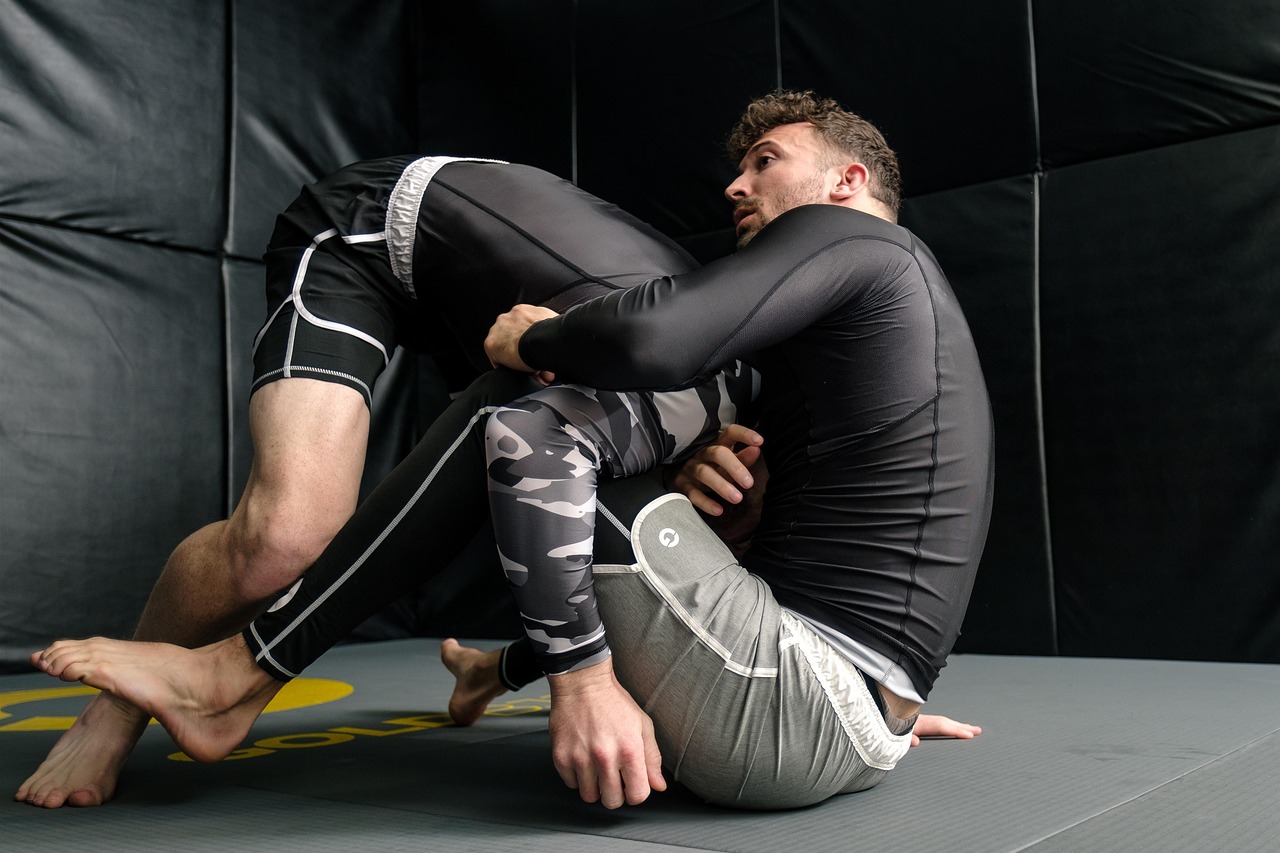
PEI MMA, founded in January 2018 by former UFC athlete Jason Saggo, offers MMA, Brazilian jiu-jitsu, Muay Thai, self-defence, kids martial arts, women’s self-defence, and strength and conditioning. For a small province, that kind of mixed curriculum is significant. It gives local athletes access to the combined skill set that MMA requires rather than forcing them to piece together striking in one place, grappling in another, and wrestling somewhere else.
The Island’s MMA identity is therefore less about major fight nights and more about access. In a small province, a single credible gym or coach can shape the entire scene. If athletes can train BJJ, Muay Thai, wrestling concepts, cage awareness, conditioning, and self-defence under one roof, the local baseline rises. That does not immediately make PEI a professional MMA market, but it gives the sport a more durable foundation than casual interest alone.
Regulation is an important part of the PEI story. In May 2026, the province announced that the Combative Sport Commissioner Act had passed unanimously in the Legislative Assembly. The proposed framework was designed to legalize and regulate professional combative sport events and modernize oversight of amateur combative sports, including boxing, kickboxing, and mixed martial arts. That is a major development for a province where the lack of a modern regulatory structure had limited the professional event picture.
If the regulatory framework translates into actual sanctioned events, PEI could become a more active small-market combat sports province. That would not mean competing with Toronto, Montreal, Calgary, or Vancouver. It would mean creating a safer and clearer pathway for local athletes, coaches, promoters, and spectators. For MMA, the most important effect would be reducing the need for athletes to leave the province for every meaningful competitive opportunity.
PEI’s future in MMA will probably remain modest but meaningful. The province is unlikely to become a major Canadian MMA hub, but it can become a strong small-scene model: a place where a former UFC fighter builds local instruction, where BJJ and Muay Thai create the technical base, and where regulation may allow amateur and professional events to develop more openly.
That makes Prince Edward Island different from a province with no clear MMA identity. PEI has a compact scene, but it has a real center of gravity. Its MMA story is about scale, coaching, regulation, and whether a small island province can turn isolated training interest into a sustainable local fight culture.