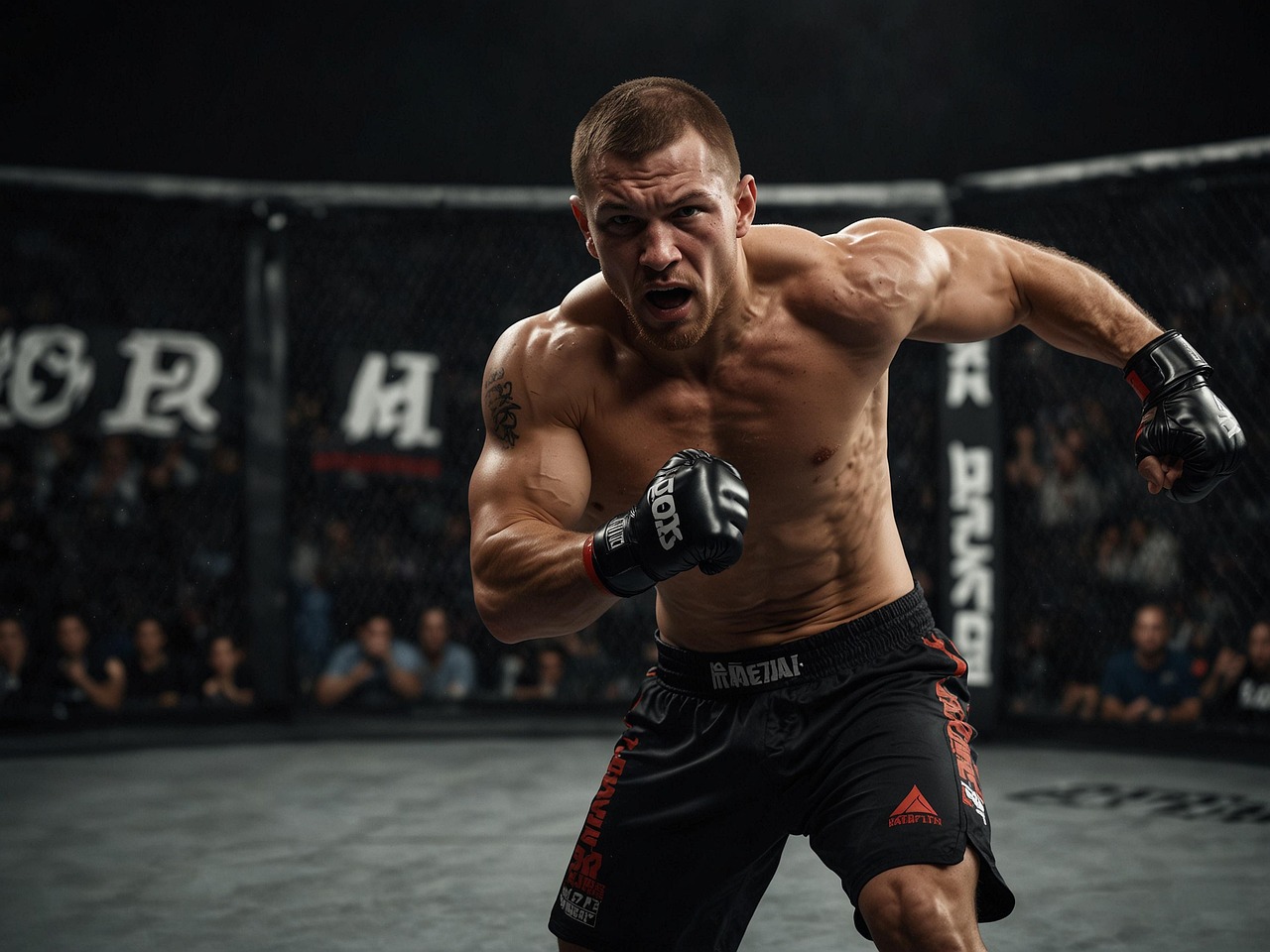
Michigan’s MMA identity is rugged, regional, and rooted in a blend of wrestling, striking, and old-school toughness. It is not a state defined by one global MMA superteam. Instead, it has a scattered but serious fight culture spread across Detroit, Grand Rapids, Southfield, Westland, Big Rapids, and smaller communities where wrestling rooms, boxing gyms, and martial arts academies feed into the cage. The state has produced major names, but its real personality is broader: Michigan MMA feels like a blue-collar Midwestern fight scene with enough talent to matter nationally but enough distance from the biggest MMA markets to remain underappreciated.
The historical headline name is Dan Severn. Born in Coldwater, Severn helped define early American MMA through wrestling, physical control, and durability. He came from an era before modern MMA academies were fully formed, when elite wrestlers, submission fighters, and toughmen tested the limits of what a complete fighter had to be. That matters for Michigan because it set an early tone: wrestling could travel, strength could matter, and a Midwestern grappler could compete against anyone.
The modern Michigan list includes fighters such as Kevin Lee, Daron Cruickshank, and Jamahal Hill. Lee, associated with Grand Rapids and Detroit-area development, brought Michigan into high-level UFC lightweight conversations with his athletic wrestling, explosive scrambles, and willingness to fight top contenders. Cruickshank, from Westland, carried a different Michigan identity: taekwondo, kickboxing, wrestling, and a flashy striking style that made him stand out in the UFC and later internationally. Michigan Top Team, founded by Cruickshank in 2013, describes itself as a home for Michigan professional and amateur talent, with Cruickshank guiding fighters through everyday preparation.
Detroit gives the state an important event identity. UFC 218 took place at Little Caesars Arena in Detroit in December 2017, headlined by Max Holloway versus José Aldo 2 after Frankie Edgar withdrew. The card also featured major bouts such as Francis Ngannou versus Alistair Overeem and Eddie Alvarez versus Justin Gaethje, giving Detroit one of the most memorable UFC pay-per-views of that period. The event drew reported attendance of 17,587 and a $2 million gate, showing that Michigan could support a major UFC event when given the right card.
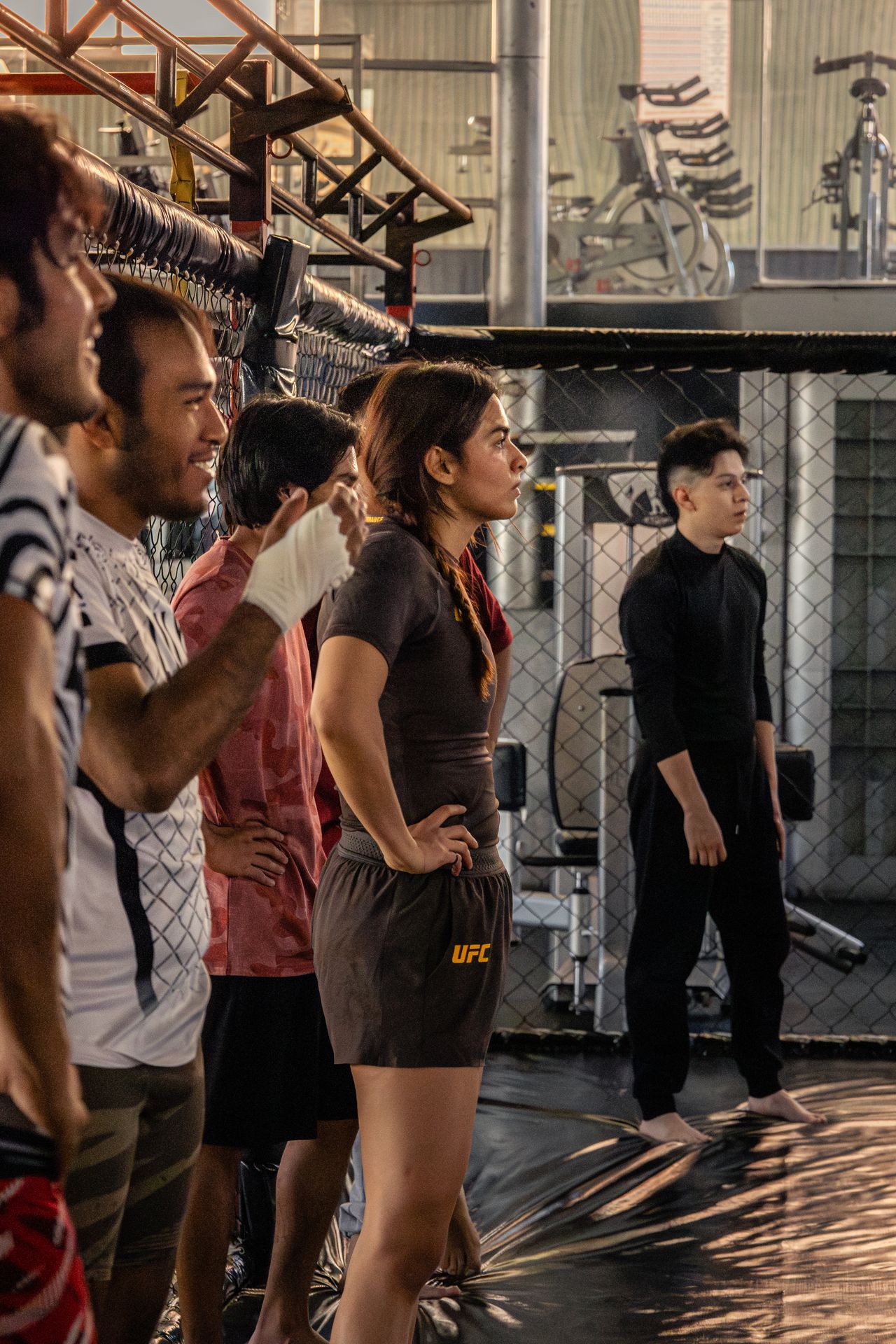
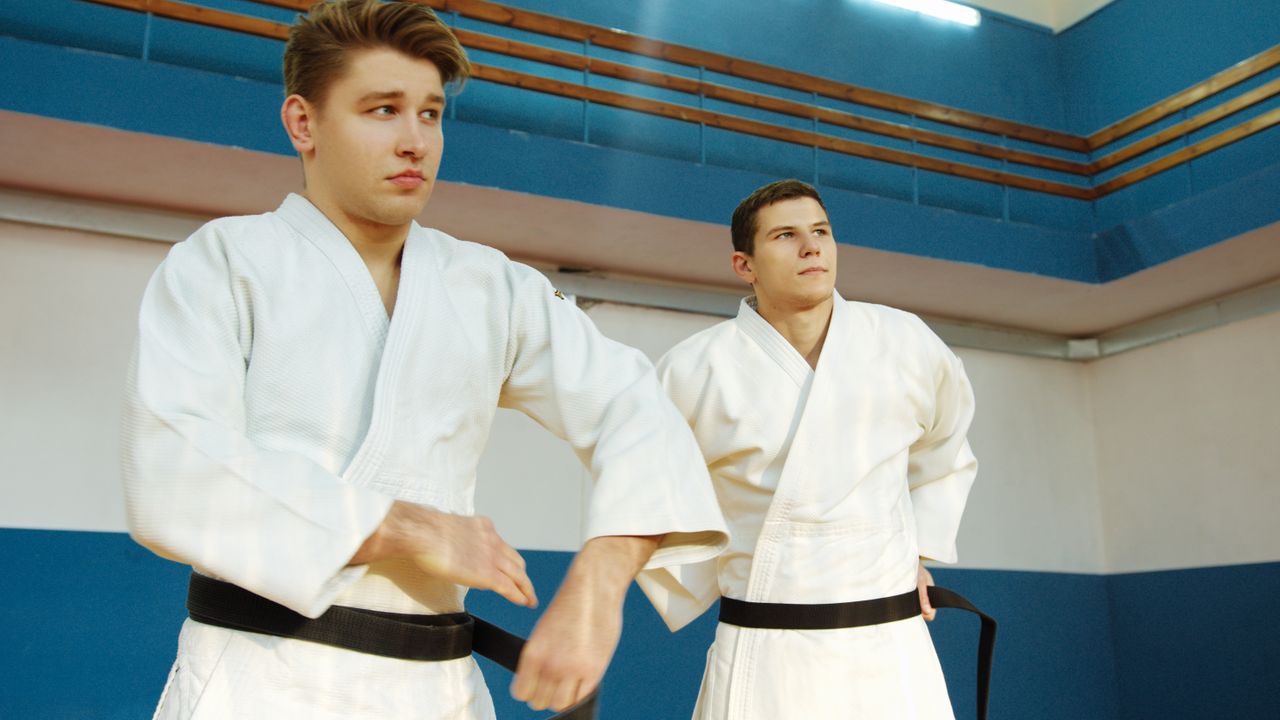
At the gym level, Michigan is more decentralized than glamour markets like Las Vegas or Southern California. Michigan Top Team in Southfield is one of the clearest MMA-specific examples, while gyms such as Victorious MMA in Troy and Allegiance Gym in Sterling Heights show the state’s broader mix of BJJ, Muay Thai, boxing, wrestling, judo, and sambo-style training. More recent local coverage of Coon MMA in Big Rapids also shows how amateur MMA in Michigan can be tied to community, discipline, and small-city development rather than only elite professional ambition.
That combination gives Michigan a distinct MMA profile. The state is not short on athletes, and its wrestling culture gives fighters a base that translates well. Its boxing and kickboxing traditions add grit and striking confidence. What Michigan has not always had is a single national camp that concentrates talent the way top gyms do in Florida, California, Arizona, or Nevada. Many fighters develop locally, then leave for specialized camps, bigger sparring pools, or national-level management.
The future of Michigan MMA depends on whether the state can keep more of its best athletes at home longer. The ingredients are there: wrestling, toughness, a real Detroit sports market, credible gyms, and enough regional promotions to keep young fighters active. Michigan’s MMA scene may not always look polished, but it rarely looks soft. It is a state built for hard rounds, difficult rooms, and fighters who are used to proving themselves outside the spotlight.