New Brunswick’s MMA identity is regional, Atlantic, and event-centered. It is not a province with a long list of UFC contenders or a dense network of famous fight gyms, but it has played a meaningful role in bringing MMA to Atlantic Canada. Moncton, in particular, gives the province a real place in Canadian MMA history. The scene is best understood through live events, East Coast promotion, and the challenge of building fighters in a smaller market where athletes often need to connect with neighboring provinces to find consistent competition.
The biggest single MMA moment in New Brunswick came in 2018, when the UFC held Fight Night: Volkan vs. Smith at Avenir Centre in Moncton. The event marked the UFC’s first visit to New Brunswick, with Anthony Smith defeating Volkan Oezdemir in the main event. For a province without a large national MMA profile, hosting a UFC card matters. It puts the local market inside the sport’s official geography and proves that New Brunswick can support a major combat-sports event when the right card, venue, and regional fan base come together.
Moncton’s importance is not limited to that one UFC night. The city has also been a recurring stop for Fight League Atlantic, one of the key promotions serving the East Coast. Fight League Atlantic describes itself as Eastern Canada’s premier MMA promotion, with a mission centered on creating opportunities for Canadian fighters and elevating the sport across the region. That is exactly the kind of structure New Brunswick needs: a regional promotion that does not require every promising athlete to leave Atlantic Canada immediately just to find a cage.
The Fight League Atlantic event record shows how important New Brunswick has been to the promotion’s footprint. FLA events have taken place in Moncton, Sackville, and Fredericton, with multiple Moncton Coliseum dates appearing across the promotion’s recent history. Tapology’s promotion listing includes FLA 23 at Moncton Coliseum in February 2026 and several earlier New Brunswick shows, while Sherdog’s event history also lists repeated FLA events in Moncton, Sackville, and Fredericton.
From a fighter-development perspective, New Brunswick’s MMA scene is shaped by scale. The province does not have the same population base or year-round fight density as Ontario, Quebec, Alberta, or British Columbia. That means athletes often depend on a wider Atlantic network: Nova Scotia shows, regional grappling tournaments, kickboxing or boxing gyms, and promotions that can bring fighters from different provinces onto the same card. In that environment, MMA development is less about one dominant city and more about keeping the regional circuit alive.
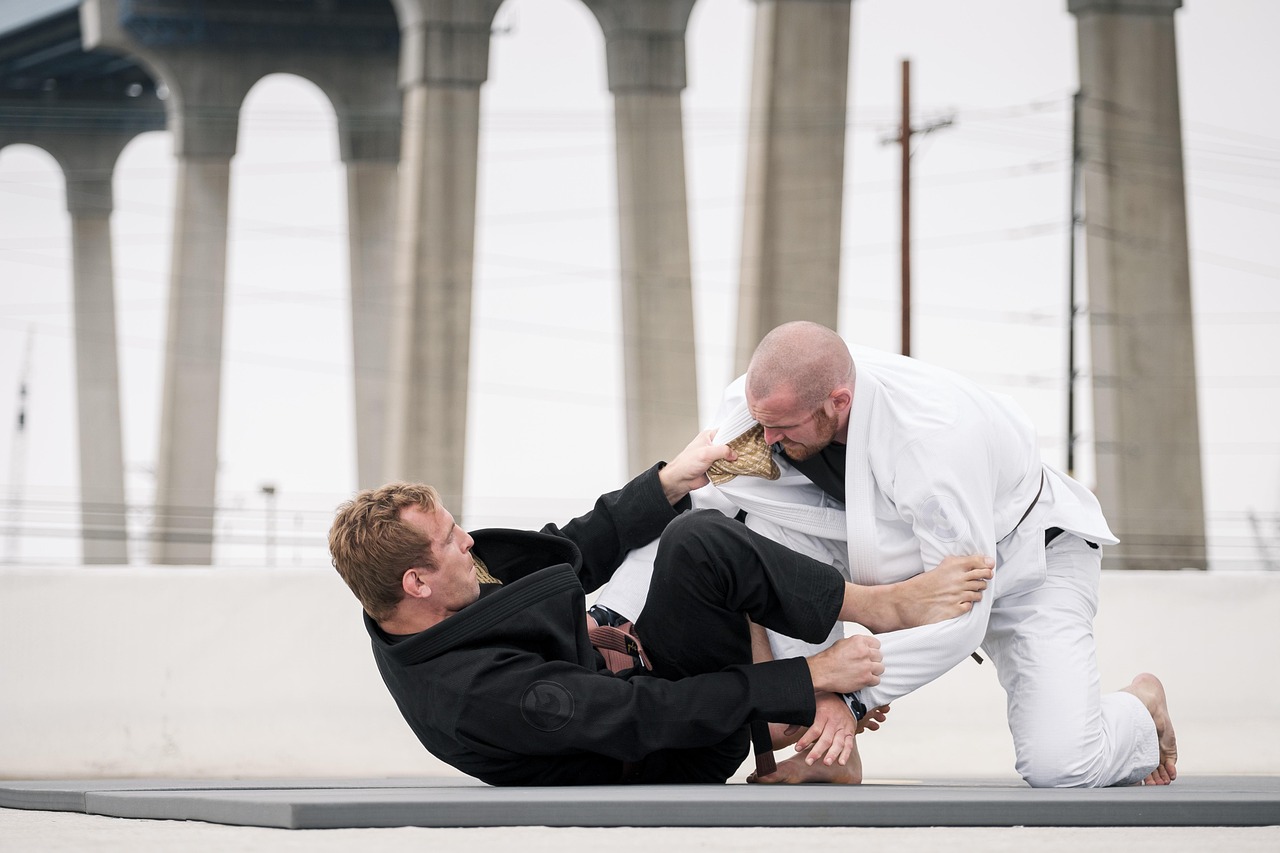
The combat-sports base in New Brunswick is practical and mixed. Brazilian jiu-jitsu, boxing, kickboxing, wrestling, and general MMA training all matter, but the province’s defining issue is not whether athletes are tough enough or interested enough. It is whether they can get enough sanctioned experience without leaving the region too often. Fight League Atlantic helps address that problem by giving local and regional fighters a stage, while Moncton’s arena history shows that New Brunswick can also host larger events when the opportunity appears.
New Brunswick’s MMA future should be judged realistically. It is unlikely to become a Canadian powerhouse by volume, and it does not need to be presented that way. Its value is as an Atlantic combat-sports market with a proven event city, a growing regional promotion presence, and a development scene that benefits when New Brunswick, Nova Scotia, Prince Edward Island, and Newfoundland and Labrador are treated as connected parts of the same ecosystem.
That makes New Brunswick a small but relevant MMA province. Its scene is not defined by a single superstar. It is defined by Moncton’s event history, Fight League Atlantic’s regional role, and the ongoing effort to give East Coast fighters enough local opportunity to build real careers.