Doha’s MMA identity is not built around a long list of Qatari-born UFC fighters. It is built around Qatar’s growing role as a major sports host and the country’s effort to bring international combat-sports brands into a polished event environment. That makes Doha different from older MMA markets. The local scene is still developing, but the city has already become visible through major events, international partnerships, and the kind of venue infrastructure that can quickly put a country on the global fight calendar.
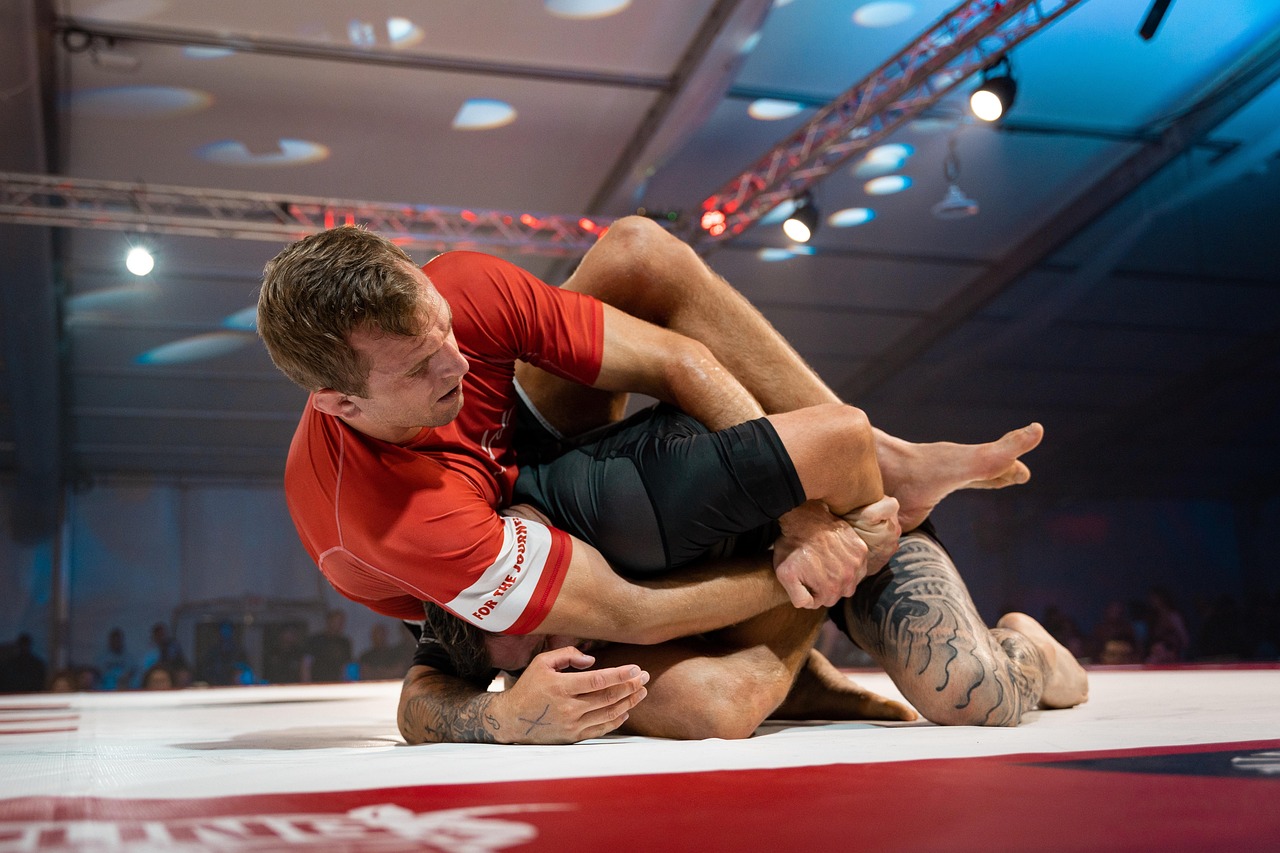
The clearest shift came through ONE Championship and the UFC. ONE brought major martial arts events to Qatar at Lusail Sports Arena, including ONE 166 in March 2024 and ONE 171 in February 2025. Those cards were not only MMA shows; they reflected ONE’s broader martial arts model, combining MMA with Muay Thai, kickboxing, submission grappling, and championship-level Asian combat-sports talent. That matters for Doha because Qatar’s combat-sports identity is likely to develop through a multi-discipline lens rather than through MMA alone. Fans are being introduced not just to cage fighting, but to a wider martial arts product.
The UFC’s arrival gave Doha another layer of credibility. UFC Fight Night: Tsarukyan vs. Hooker took place in Doha in November 2025, with Arman Tsarukyan defeating Dan Hooker in the main event and Ian Machado Garry beating Belal Muhammad in the co-main event. A card like that did not make Qatar a fighter-producing nation overnight, but it did place Doha on the UFC’s Middle East map alongside Abu Dhabi and Saudi Arabia. For a city still building its MMA footprint, hosting a contender-level UFC card is a major step.
The local training culture is more modest than the event calendar might suggest. Doha has MMA and martial arts options, including Qatar MMA and UFC Gym Qatar, but the city’s training ecosystem is not yet comparable to deeper fight markets where generations of amateur and professional fighters have already passed through the same rooms. The development challenge is straightforward: big events can create visibility, but local fighters need regular competition, serious coaching, sparring depth, and regional pathways if MMA is going to become more than an imported entertainment product.
That is where Qatar’s broader sports strategy becomes relevant. Doha has repeatedly used international events to build sporting identity, from football and athletics to combat sports. MMA fits that model because it brings global broadcast value, younger audiences, and strong crossover with fitness and martial arts participation. However, the sport’s grassroots growth will depend on whether local athletes see a realistic path from beginner classes to amateur bouts, then to regional promotions, then to international opportunities. Without that ladder, Doha can host elite fighters without necessarily producing many of them.
Combat-sports crossover may be the strongest foundation. In a city where expatriate communities are large and international coaches can move in and out, MMA training can be influenced by Brazilian jiu-jitsu, boxing, Muay Thai, wrestling, judo, and fitness-based striking programs. That gives Doha a diverse technical base, but also a challenge: the scene has to distinguish serious fight preparation from general martial arts fitness. A healthy MMA ecosystem needs both, but the competitive side requires consistent sparring standards and credible match experience.
Doha’s near-term future in MMA looks event-driven first and athlete-development-driven second. The city has already shown that it can host major promotions at a high level. The next stage is deeper local participation. If Qatar can connect international events with domestic coaching, youth martial arts, amateur competition, and regional fight opportunities, Doha could become more than a destination on the Middle East MMA calendar. It could become a small but strategically important development market with strong links to the wider Gulf combat-sports scene.