
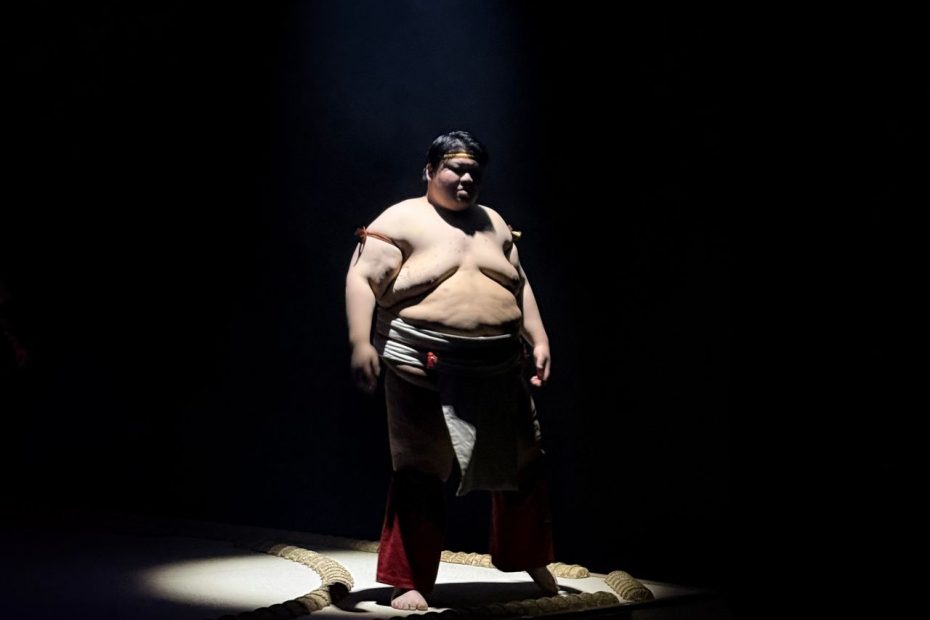
Yokozuna Mythology and Why Sumo’s Highest Rank Means More Than Winning
Yokozuna mythology explains why sumo’s highest rank is more than victory: it is ritual, discipline, public trust, and living tradition.
Yokozuna mythology explains why sumo’s highest rank is more than victory: it is ritual, discipline, public trust, and living tradition.
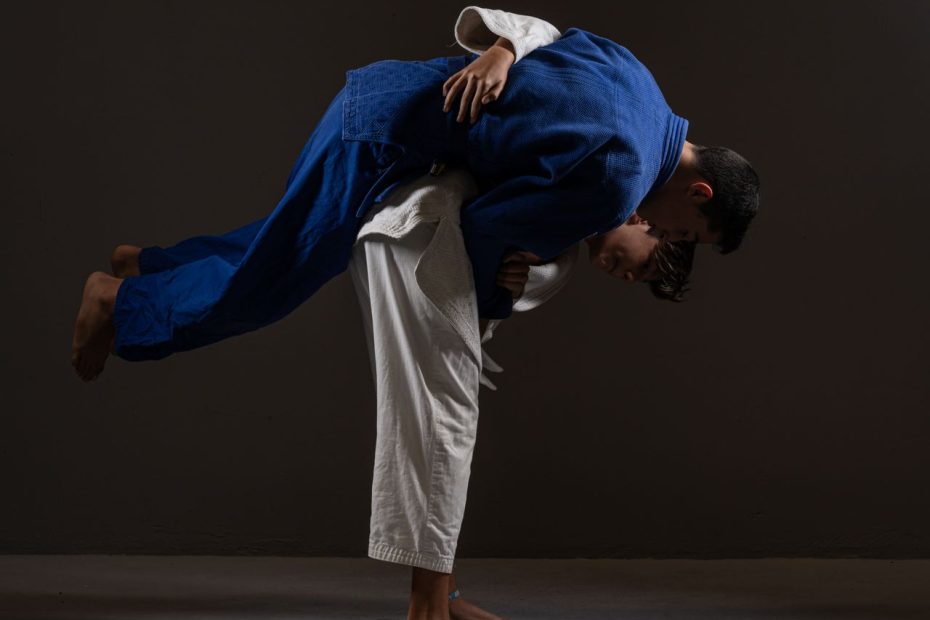
Judo’s Olympic identity turned a Japanese martial art into a global medal sport, balancing ritual, technique, and national pride.
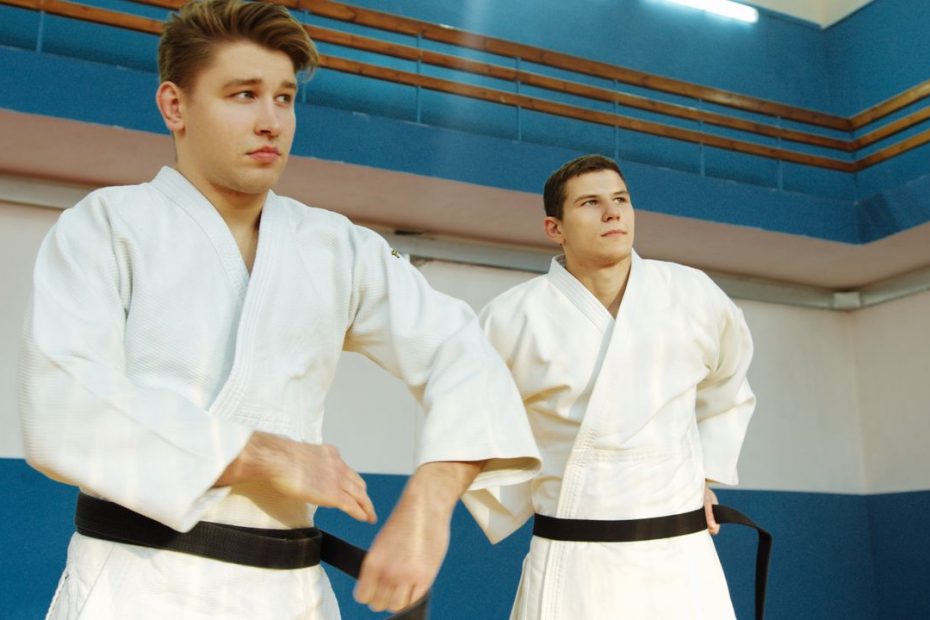
Japan and judo as national sport heritage shows how one martial art became tied to education, identity, Olympic pressure, and public pride.
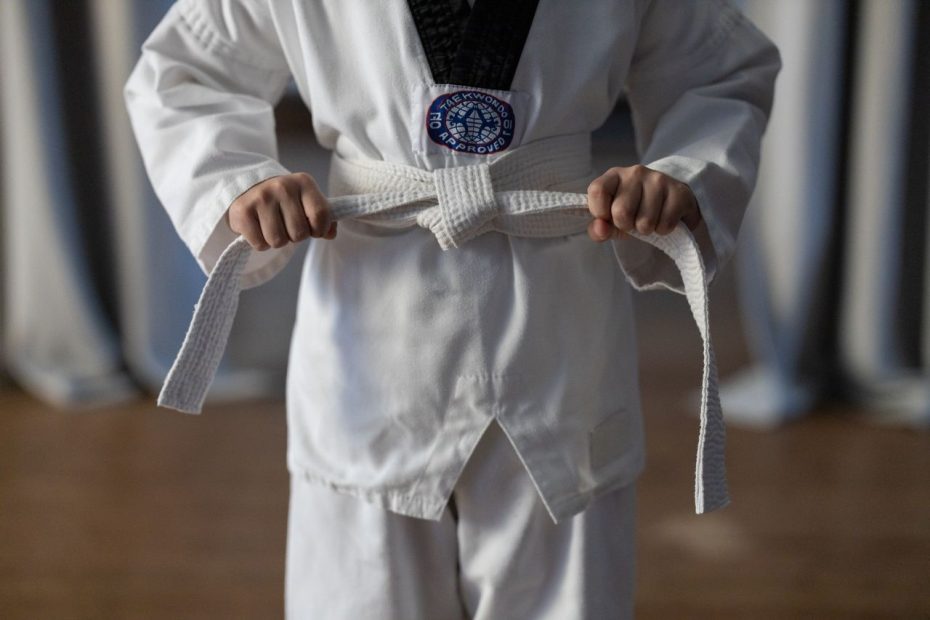
Karate’s Olympic cameo brought a century-old martial art to Tokyo, then left the Games after one appearance, creating a brief but lasting Olympic story.
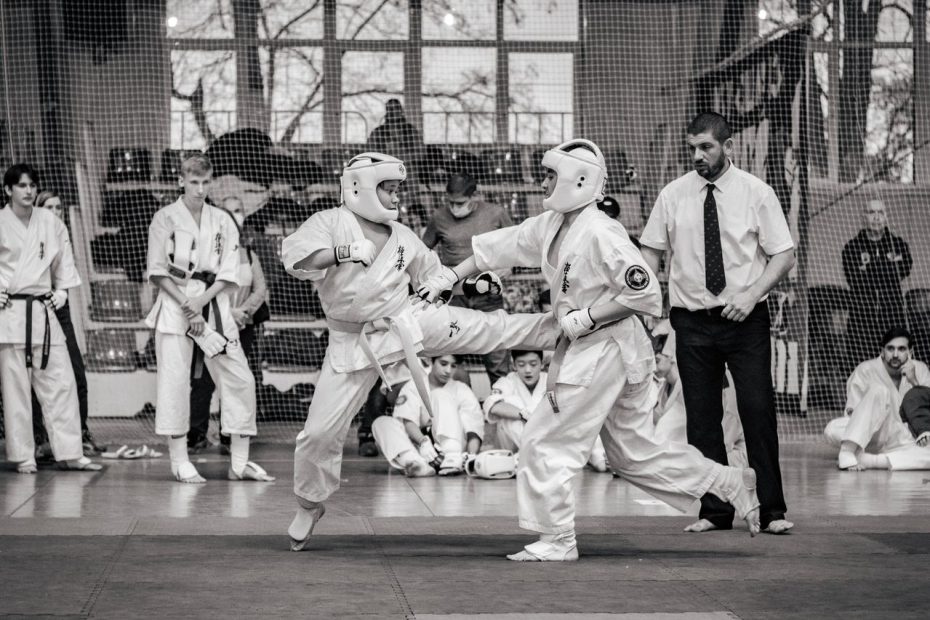
The karate gold-medal disqualification at Tokyo 2020 turned a winning kick into one of the Olympics’ strangest combat-sports endings.
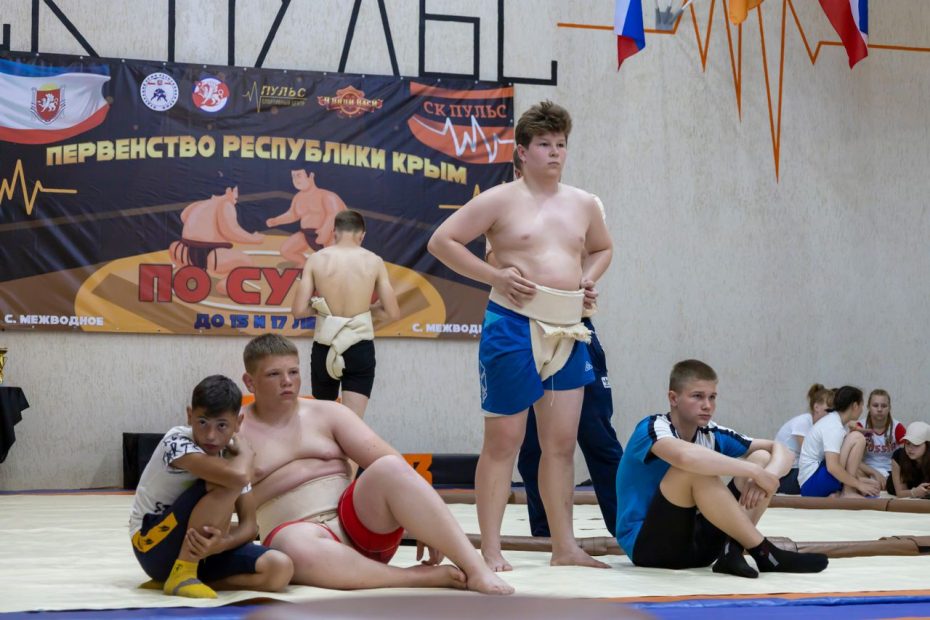
Sumo wrestling as ritual and sport explains why Japan’s ancient ring still carries ceremony, national identity, and elite athletic stakes.
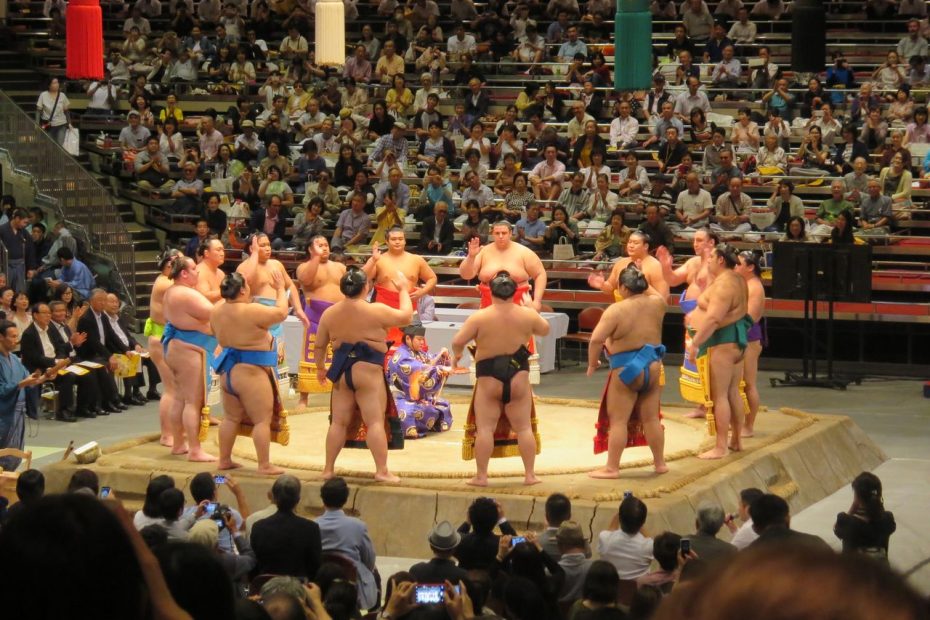
Hakuho and sumo dominance shows how a Mongolian-born yokozuna turned records, technique, ritual pressure, and longevity into a defining legacy.

Mongolia and modern sumo are linked through a generation of champions who changed Japan’s ancient sport from the top rank down.

Sumo scandals and reform show how Japan’s ancient ring has had to confront abuse, gambling, match-fixing, and modern governance pressure.

Andy Hug brought karate’s kicking vocabulary into K-1, becoming a Swiss champion whose style and spirit still define kickboxing.

K-1 kickboxing turned elite stand-up fighting into a global stage, shaping stars, tournaments, and modern striking culture.

Fedor Emelianenko and the Pride mystique are inseparable: a calm heavyweight champion became the defining face of MMA’s wildest era.