Denver boxing has a mountain-region identity: tough gyms, regional competition, altitude, Mexican American fight culture, and a long connection to Colorado’s larger combat-sports scene. The city is not usually discussed with the same shorthand as Las Vegas, New York, Philadelphia, or Los Angeles, but Denver has a real boxing culture rooted in local clubs, amateur tournaments, neighborhood gyms, and fighters who learn to compete across a wide western map.
Colorado’s geography shapes the boxing scene. Denver is the state’s major urban center, so it naturally becomes the hub for fighters from the Front Range and surrounding areas. Boxers from Aurora, Lakewood, Commerce City, Pueblo, Colorado Springs, Fort Collins, and other communities can connect through Denver-area gyms and events. The result is a regional boxing culture rather than a one-city story.
The most obvious physical feature of Denver boxing is altitude. Training at elevation has long been part of the city’s broader sports identity, and boxing fits naturally into that environment. Conditioning matters everywhere, but in Denver it becomes part of the local mythology. Fighters who train there are expected to be fit, durable, and capable of working through fatigue. That does not automatically create elite boxers, but it does give the city a distinct training reputation.
Denver’s boxing gyms are the heart of the scene. They serve competitive amateurs, professionals, youth fighters, fitness boxers, and adults drawn to the sport’s discipline. In many rooms, the culture is practical rather than glamorous. Fighters learn how to move, defend, jab, work the body, spar responsibly, and handle pressure. The best gyms function as community institutions as much as sports facilities, especially for younger athletes who need structure and adult guidance.
The city also has a strong Latino and Mexican American boxing influence. That matters for style, audience, and fight culture. In Denver, as in many western American cities, boxing is tied to families, local pride, regional rivalries, and respect for fighters who can handle exchanges. Mexican boxing traditions, Chicano identity, and neighborhood gym culture all help shape the atmosphere around the sport.
Denver has produced and hosted notable boxing figures over time, but its deeper importance is as a developmental city. Amateur boxing is central. Local fighters can move through club shows, state tournaments, regional competitions, and national events. The amateur system gives Denver boxers a way to test themselves before entering the professional ranks or deciding how far they want to take the sport.
Professional boxing in Denver is active but not dominant in the way it is in major fight capitals. The city can support regional cards, prospects, comeback fights, and local attractions, but it is not primarily a global championship marketplace. Its value is more grounded. Denver gives fighters a place to build records, gain rounds, fight in front of local fans, and stay connected to the boxing community.
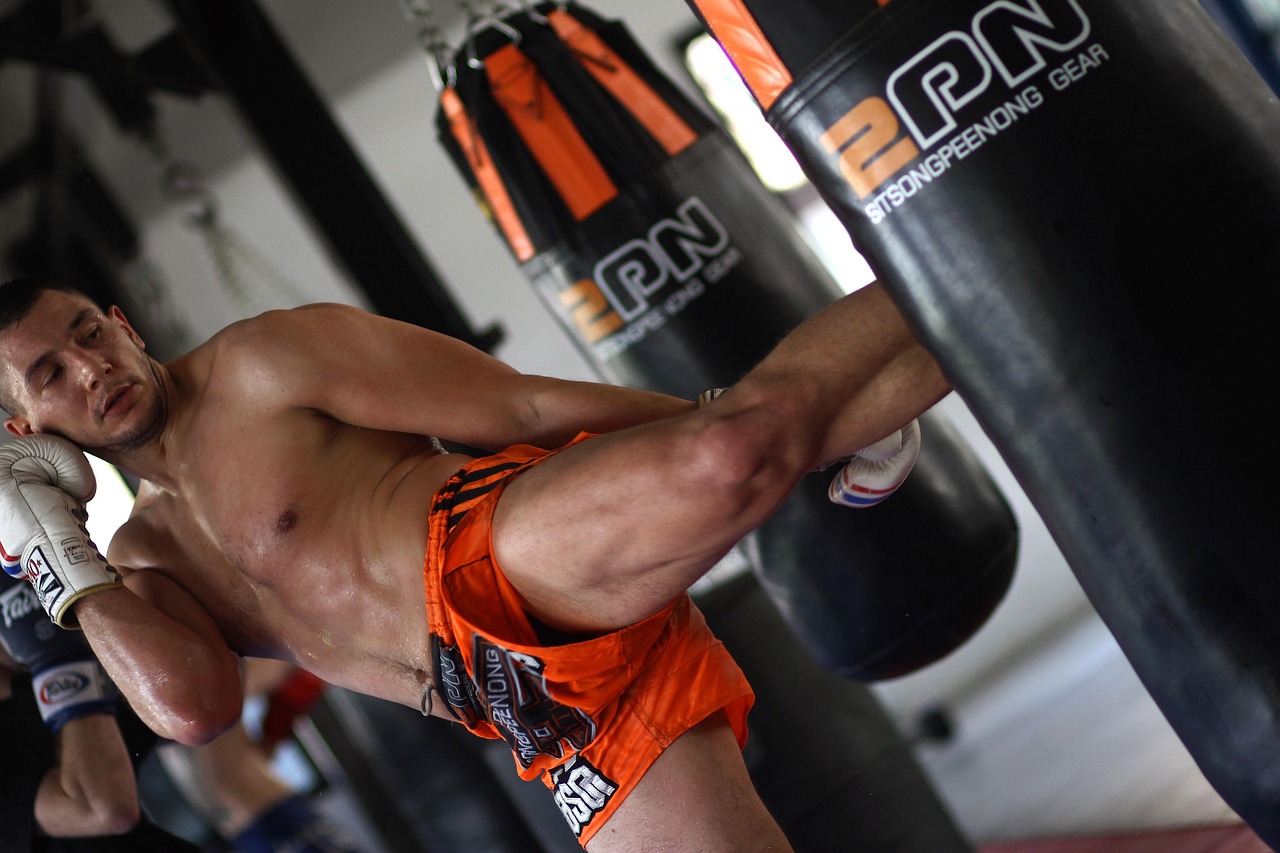
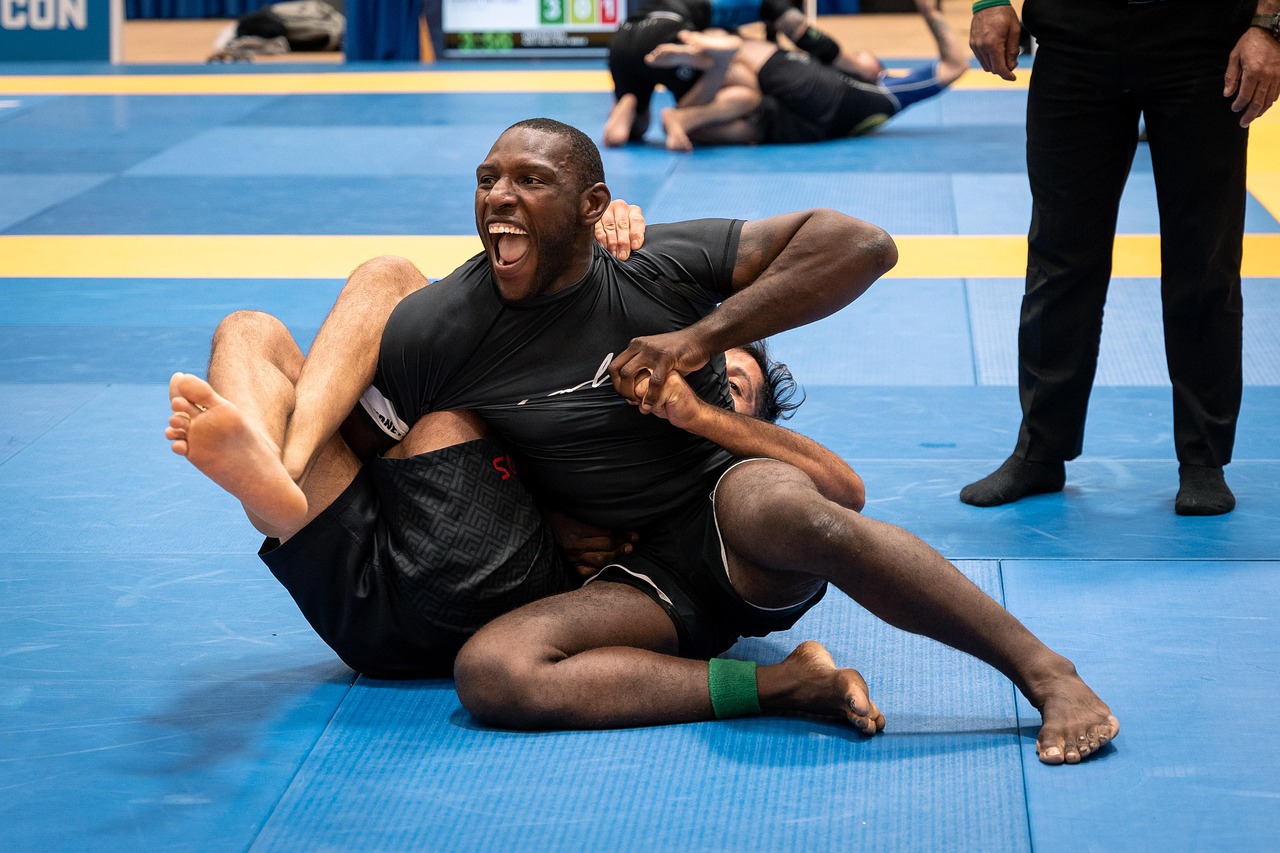
Combat sports crossover is another part of Denver’s identity. Colorado has a broad martial arts and MMA culture, and many gyms include boxing alongside kickboxing, jiu-jitsu, wrestling, or mixed martial arts. That can help boxing by bringing more athletes into striking, but it also means boxing has to maintain its own identity. Real boxing training is not just punching for conditioning or adding hands to MMA. It is a specialized sport with its own timing, defense, footwork, and competitive logic.
The future of Denver boxing depends on keeping the competitive pipeline alive. The city already has the pieces: gyms, athletes, regional opponents, altitude training, Latino fight culture, and a wider combat-sports audience. If those pieces continue to support serious amateur development and regular local shows, Denver will remain one of the more important boxing centers in the Mountain West.
Denver boxing is not built on flash. It is built on rooms where fighters work, coaches teach, and local athletes test themselves against the demands of the sport. That gives the city a boxing identity that is durable, regional, and quietly serious.