Phoenix boxing belongs to the Southwest. Its identity is tied to Arizona’s desert geography, Mexican American fight culture, regional gyms, casino and arena events, and the flow of fighters between Arizona, California, Nevada, Texas, and Mexico. It is not always discussed in the same breath as Las Vegas, Los Angeles, Philadelphia, or New York, but Phoenix has a serious boxing culture because it sits at the crossroads of several powerful fight traditions.
The city’s boxing base comes from community more than spectacle. Phoenix is a large metro area with deep Latino roots, a strong youth sports culture, and a regional identity connected to toughness, migration, military families, working-class neighborhoods, and borderland exchange. Boxing fits naturally into that environment. It is a sport built on family support, gym loyalty, discipline, and the ability to turn local pride into competitive ambition. In Phoenix, boxing is often strongest where community and training meet.
Mexican and Mexican American boxing influence is central to the city’s fight culture. Arizona’s proximity to Mexico means boxing is not just an imported sport or a niche activity. It is part of a wider regional language. Fans know the rhythms of Mexican boxing: pressure, body work, exchanges, durability, and the emotional weight of national and family pride. Phoenix fighters do not all fight one way, but the area’s boxing culture has clearly been shaped by that tradition. Major Mexican and Mexican American fight nights can resonate strongly with Arizona audiences because the sport already has a cultural base there.
Phoenix has also benefited from Arizona’s place in the professional boxing map. The city and surrounding region have hosted major boxing events, and Arizona’s casino and resort venues have helped support combat-sports cards. This matters because boxing needs stages at multiple levels. A healthy scene cannot rely only on world title fights. It needs club shows, regional cards, prospect fights, amateur tournaments, and mid-level opportunities where fighters can build records and learn under pressure. Phoenix has enough population, media presence, and regional connectivity to support that ecosystem when promotion and matchmaking align.
The city has connections to notable fighters and boxing figures across different eras. Arizona boxing has produced professionals, contenders, prospects, and trainers who reflect the state’s broader fight environment. Phoenix-area fighters often develop inside a regional circuit rather than a sealed local system. They may spar in Arizona, fight in California, take opportunities in Las Vegas, and build fan bases that stretch across Mexican American communities. That mobility is part of the Phoenix boxing identity. The city is not an island. It is part of a Southwestern boxing corridor.
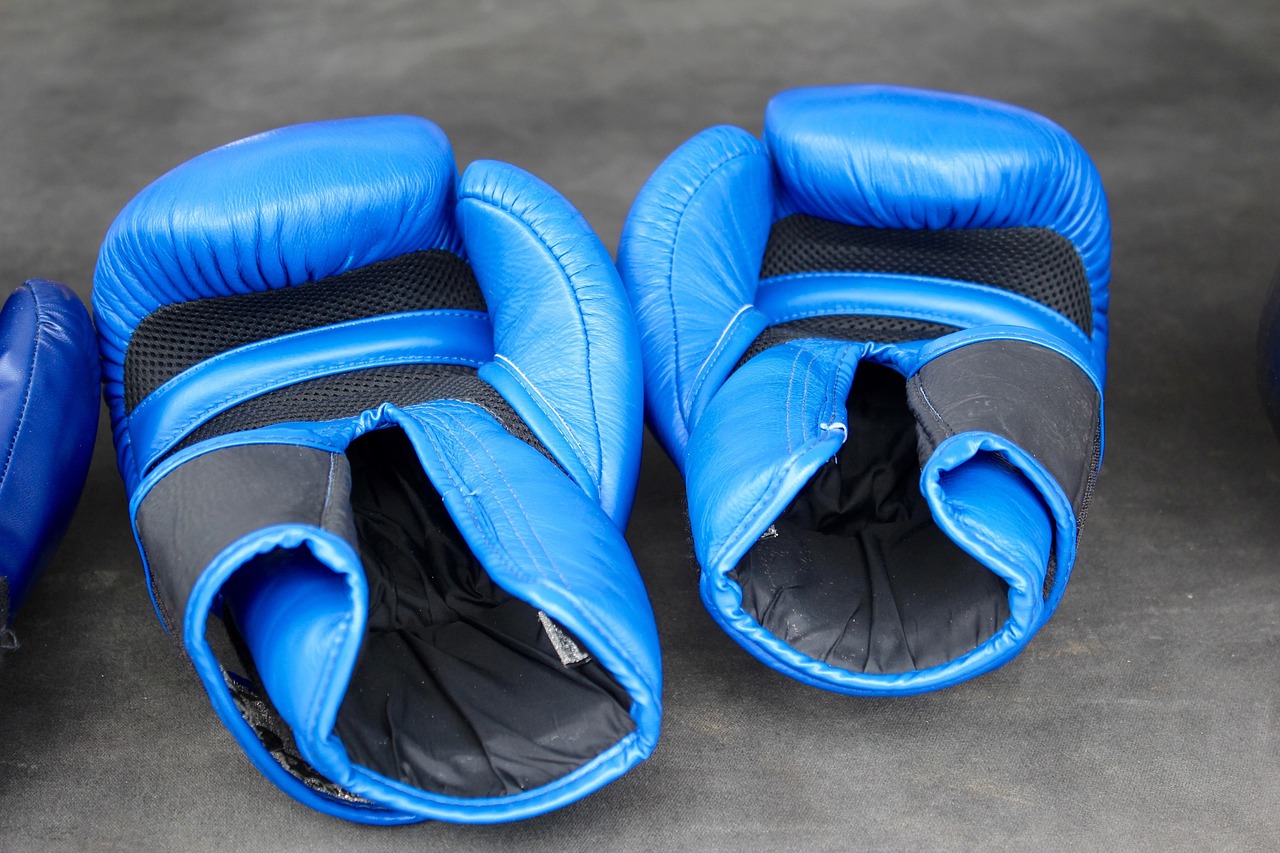
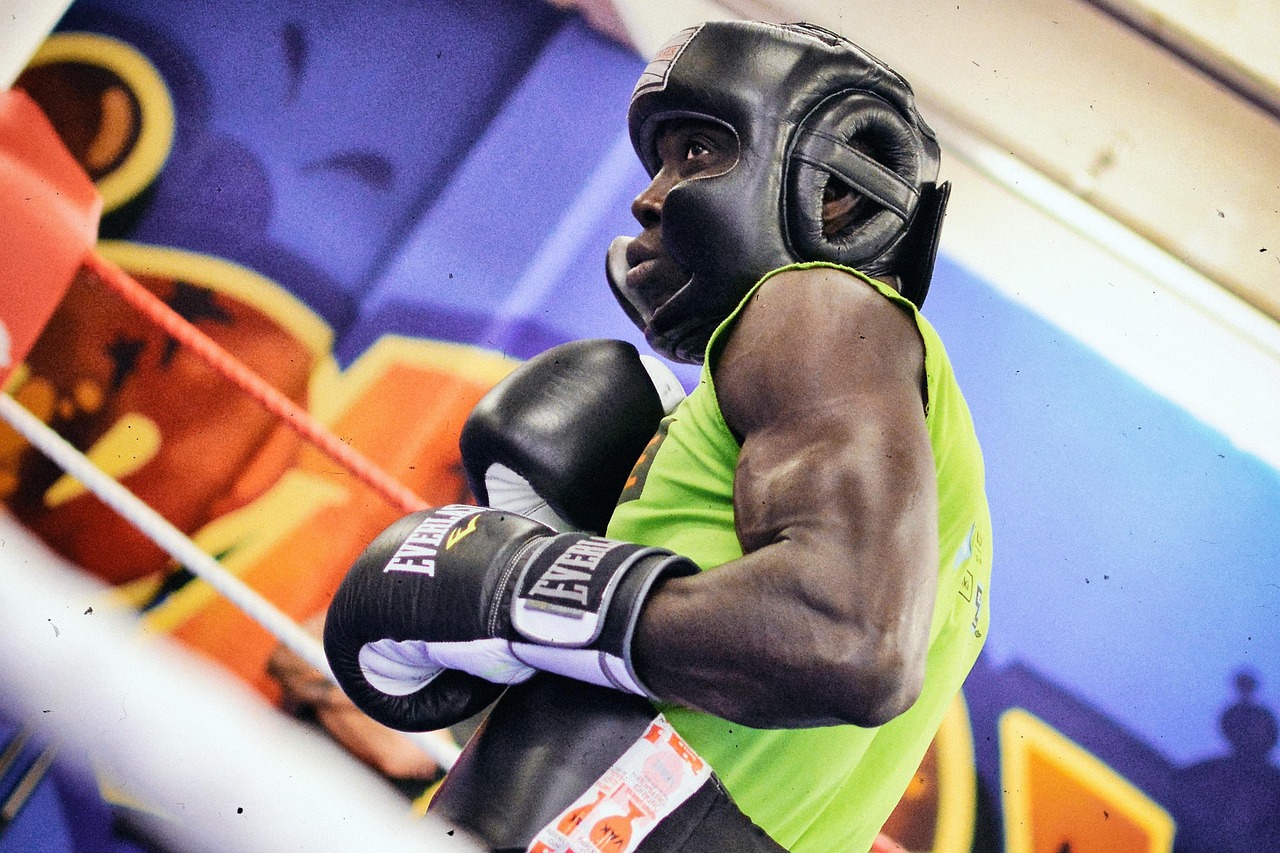
At the gym level, Phoenix has the ingredients boxing needs: youth programs, competitive trainers, fitness boxing spaces, amateur clubs, and serious fighters looking for sparring. Like many large American metros, the city has a split boxing market. Some gyms serve people who want conditioning, confidence, and technical instruction without competing. Others are built around amateur development and professional preparation. Both contribute to the sport’s visibility, but the competitive rooms are where Phoenix’s boxing reputation is truly made.
Amateur boxing is especially important because it gives young fighters a structure before they enter the professional business. Local and regional amateur shows allow fighters to test themselves, build discipline, and learn whether they can handle the demands of the sport. Phoenix’s size gives it an advantage here. A large metro can support enough gyms and athletes to make amateur development meaningful, especially when fighters are willing to travel for tournaments and sparring.
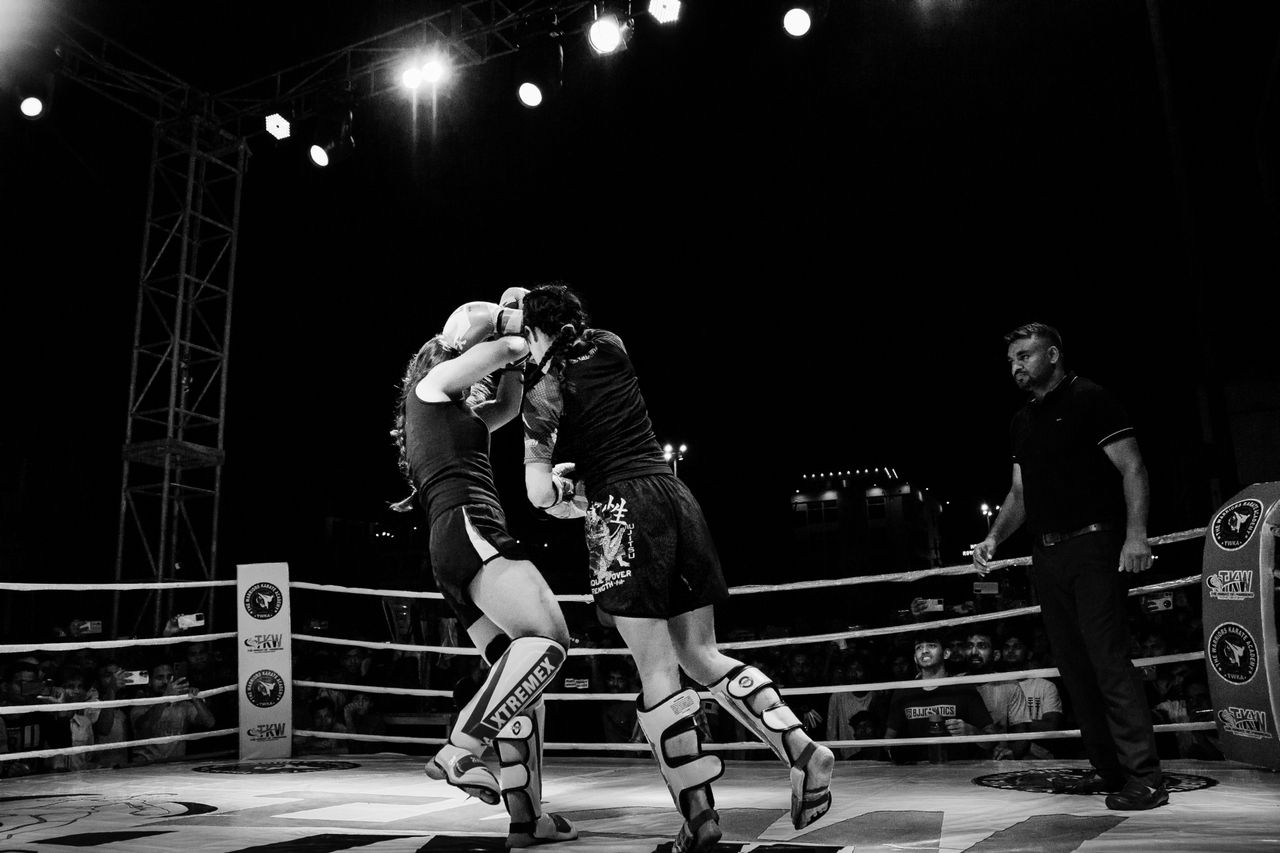
Women’s boxing also has room to grow in Phoenix. The broader rise of women’s boxing has changed what local gyms can offer and what young athletes can imagine. In a city with a large youth population and strong combat-sports interest, girls and women entering boxing are not just participating in fitness classes. Some are part of the next competitive layer of the sport. That matters for Phoenix because future boxing growth will depend partly on whether gyms can serve a wider range of athletes without losing competitive seriousness.
Phoenix’s future as a boxing city will likely depend on how well it connects three things: grassroots gyms, regional fight opportunities, and culturally meaningful promotion. The city has the population, the fan base, the Mexican American boxing connection, and the geography to matter. It does not need to become Las Vegas, and it does not need to imitate Los Angeles. Phoenix’s boxing identity is its own: a Southwestern fight city where desert toughness, borderland culture, family-backed fighters, and regional opportunity keep the sport alive.