Iowa boxing is a smaller-state scene with one unusually bright professional landmark: Michael Nunn. For many boxing fans, Nunn is the name that immediately gives Iowa a place in the sport’s wider history. Born in Davenport, Nunn became a two-weight world champion and one of the most gifted American boxers of his generation. His speed, southpaw style, height, and ring intelligence made him stand out at middleweight and super middleweight, and his career gave Iowa a champion whose talent reached far beyond the Midwest.
That matters because Iowa is not usually thought of as a major boxing state. Its sports identity is more often tied to wrestling, college athletics, high school sports, and community-based competition. Boxing has had to carve out space inside that landscape. In Iowa, the sport’s identity is less about a massive professional market and more about gyms, amateur tournaments, and individual fighters who emerge from local programs with enough talent to compete nationally.
Nunn’s career shows what the Iowa pathway can produce when the right athlete meets the right competitive structure. Before he became a professional champion, he built an amateur foundation that included Iowa Golden Gloves success. That detail is important because it connects Iowa’s biggest boxing name to the state’s grassroots system. Nunn was not simply an Iowa-born fighter who made it somewhere else. His early development was tied to the kind of amateur structure that still matters for boxing in the state.
The Iowa Golden Gloves remain central to that structure. Amateur boxing in Iowa depends on tournaments that bring fighters together from across the state, giving young boxers a reason to train seriously and coaches a way to measure progress. The Golden Gloves model is especially important in states without a dense professional calendar. It creates stakes. It gives boxers a target. It allows athletes from Des Moines, Davenport, Iowa City, Cedar Rapids, Waterloo, Sioux City, and smaller towns to step into a shared competitive environment.
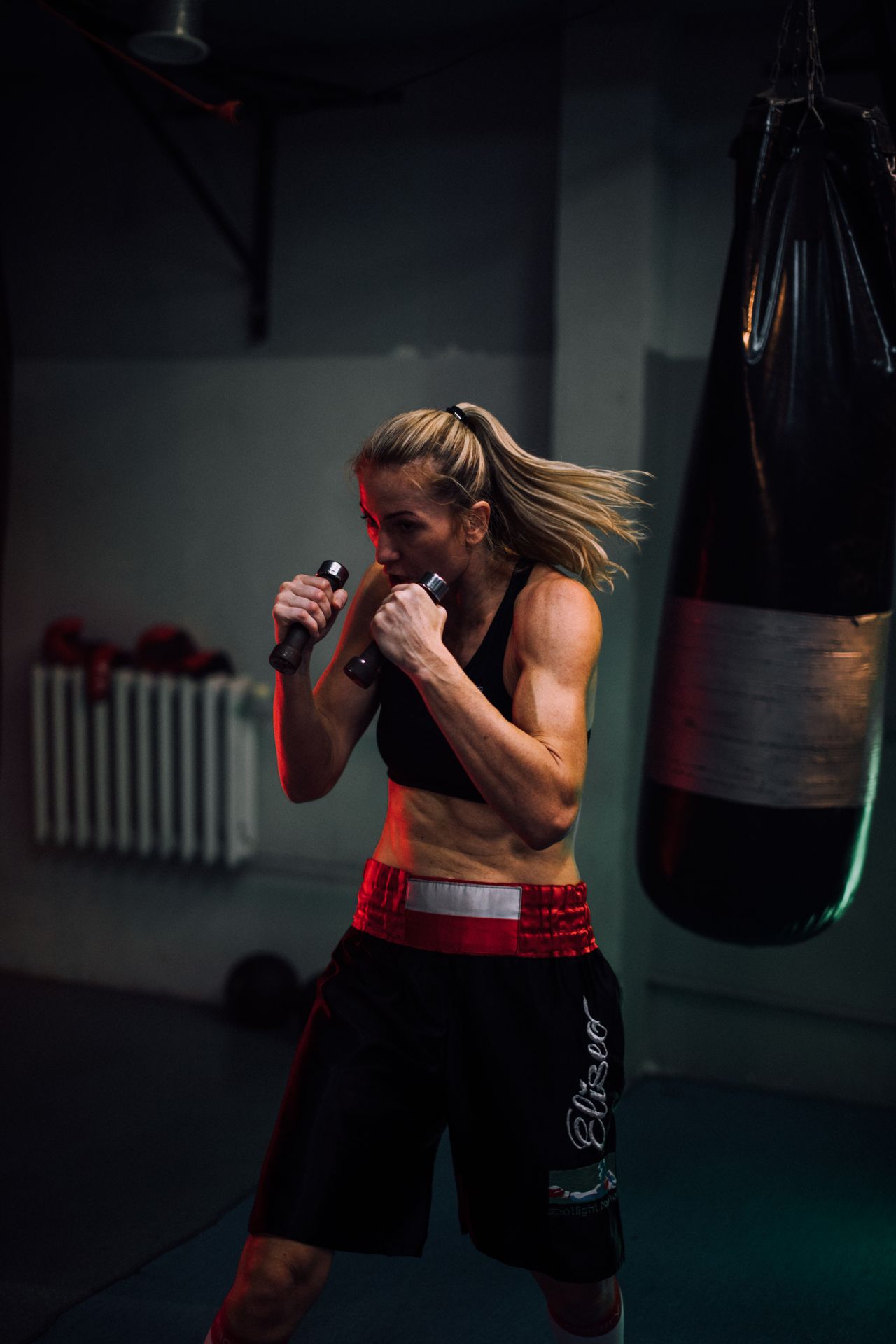
Iowa’s boxing gyms often operate with a community-first identity. They are places where young athletes learn footwork, conditioning, defense, and discipline, but they also serve recreational adults, fitness boxers, and former athletes from other sports. Wrestling’s strength in Iowa can indirectly help boxing because it creates a culture that already respects weight classes, toughness, conditioning, and one-on-one competition. Boxing is different technically and tactically, but it can appeal to the same kind of athlete who likes individual accountability.
The professional side of Iowa boxing is more limited. Fighters from the state often need to travel for bigger opportunities, whether to Chicago, Minneapolis, Kansas City, Omaha, St. Louis, or national club-show circuits. That travel requirement makes the amateur base even more important. Iowa cannot rely on constant high-level professional cards to develop fighters. It needs gyms that can teach fundamentals well enough for boxers to compete outside familiar territory.
The state’s boxing future likely depends on keeping the amateur pipeline active and visible. Golden Gloves tournaments, local shows, youth divisions, women’s boxing, and regional partnerships can all help. Iowa does not need a huge fight economy to remain relevant. It needs enough organized competition to keep serious fighters from disappearing into other sports before they have a chance to develop.
Iowa boxing is not broad in the way Illinois boxing is broad, and it is not defined by an industrial champion lineage in quite the same way Indiana is. Its identity is more compact: grassroots gyms, amateur tournaments, and the long shadow of Michael Nunn. That is enough to make Iowa part of the American boxing map, especially when the state’s best fighters can use local discipline as a launch point for national ambition.