Prague boxing sits at the intersection of Czech amateur tradition, European professional boxing, and a modern combat-sports culture that also includes kickboxing, Muay Thai, and MMA. The city is not a world boxing capital in the way London, Las Vegas, or Mexico City can be. Its role is more specific: Prague is the Czech Republic’s most visible stage for boxing events, club development, and the public presentation of the sport.
The city’s boxing identity is tied strongly to venues and institutions. Lucerna Hall has become one of the symbolic homes of Czech fight nights, hosting boxing and mixed striking events in a setting that gives the sport a sense of occasion. Recent Boxing Lucerna events have included professional boxing, kickboxing, and Muay Thai bouts, which reflects how Prague’s fight culture often blends disciplines rather than isolating boxing completely from the rest of the striking world.
Czech boxing’s most recognizable modern professional figure is Lukáš Konečný. Although he is not a Prague-born fighter, his career is central to any discussion of boxing in the Czech Republic. Konečný held the WBO interim light middleweight title, along with European and European Union light middleweight titles, and later challenged for a middleweight world title. His career gave Czech boxing a modern professional reference point, proving that a Czech fighter could move beyond local and regional recognition into the European and world-title conversation.
Prague’s local boxing story also has a community side, and Stanislav Tišer is one of its important figures. A former Czechoslovak bantamweight champion, Tišer has been closely associated with boxing in Prague through his long-running club work. His career connects the old Czechoslovak boxing system to the modern city gym environment, where boxing is both competitive training and social structure. His story matters because Prague boxing is not only about professional galas. It is also about coaches, clubs, and the transmission of discipline through small rooms that rarely receive international attention.
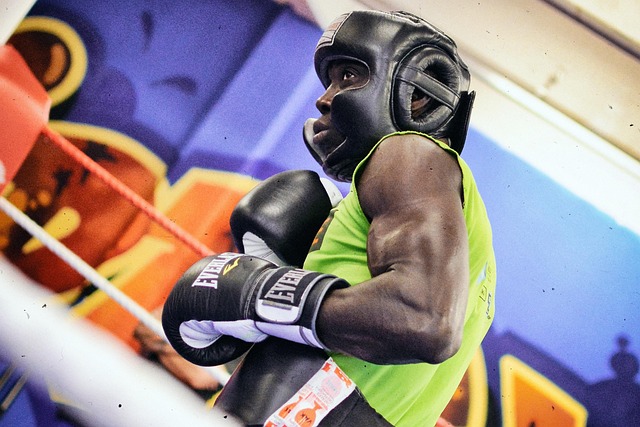
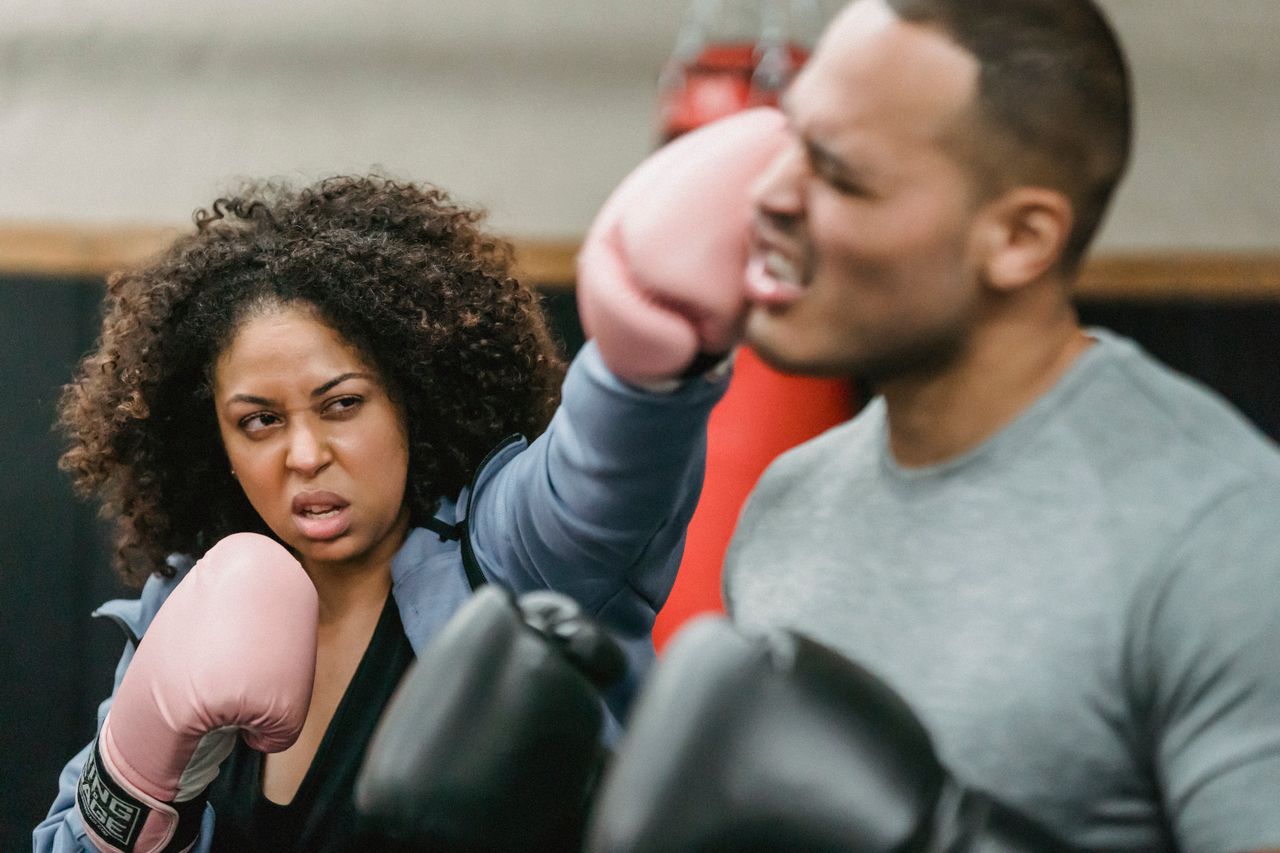
The current boxing scene in Prague is shaped by that split personality. On one side, the city has professional events, public fight nights, and recognizable venues. On the other, it has clubs serving beginners, amateurs, children, women, expats, and competitive boxers. Prague’s status as an international city also changes the training environment. A boxing gym there may include Czech amateurs, foreign residents, white-collar boxers, kickboxers, MMA athletes, and people looking for serious conditioning. That diversity can broaden participation, but it also means boxing has to defend its technical identity inside a crowded combat-sports market.
Amateur boxing remains important in the Czech Republic because it provides structure, national competition, and a pathway for young fighters before they consider professional options. Recent federation activity and national-level tournaments point to a system still working to organize male and female competitors across clubs and age groups. That matters for Prague because the capital’s visibility can help bring attention to fighters who might otherwise remain inside local or regional circuits.
Prague’s professional scene is likely to remain selective rather than constant. The city can host attractive fight nights, but it does not have the week-to-week boxing economy of larger markets. Its advantage is atmosphere. A well-run boxing event in Prague can feel distinctive because the city offers historic venues, a knowledgeable fight audience, and crossover interest from kickboxing and MMA fans.
The future of boxing in Prague depends on whether the sport can grow without being swallowed by the broader combat-sports boom. MMA and kickboxing have strong visibility in Czech fight culture, but boxing still offers something different: a clean technical discipline, a deep amateur structure, and a professional tradition connected to European titles. Prague’s boxing identity is not mass production. It is a city of clubs, classic venues, and selective nights where Czech boxing steps into the public eye.