MMA in Palau is best understood as a small Pacific combat-sports scene, not as a country with a long professional cage-fighting pipeline. The country does not yet have the kind of deep roster associated with larger MMA markets, but that does not make the story empty. It makes the story more specific. In Palau, MMA sits at the intersection of island athletic culture, imported martial arts, regional travel, and the gradual spread of Brazilian jiu-jitsu, boxing, Muay Thai, wrestling, and fitness-based combat training across the Pacific.
The most realistic way to read Palau’s MMA identity is through grassroots development. A young Palauan athlete interested in MMA is usually not stepping into a dense national system of amateur shows, professional gyms, and regular televised fight cards. The pathway is more fragmented. Training may begin through boxing, jiu-jitsu, kickboxing, general self-defense, military-style fitness, or exposure to combat sports through Guam, the Northern Mariana Islands, Hawaii, the Philippines, Australia, or the United States mainland. For a small island country, those regional connections matter. MMA development is often less about a single domestic league and more about whether motivated athletes can find coaches, sparring partners, tournaments, and travel opportunities.
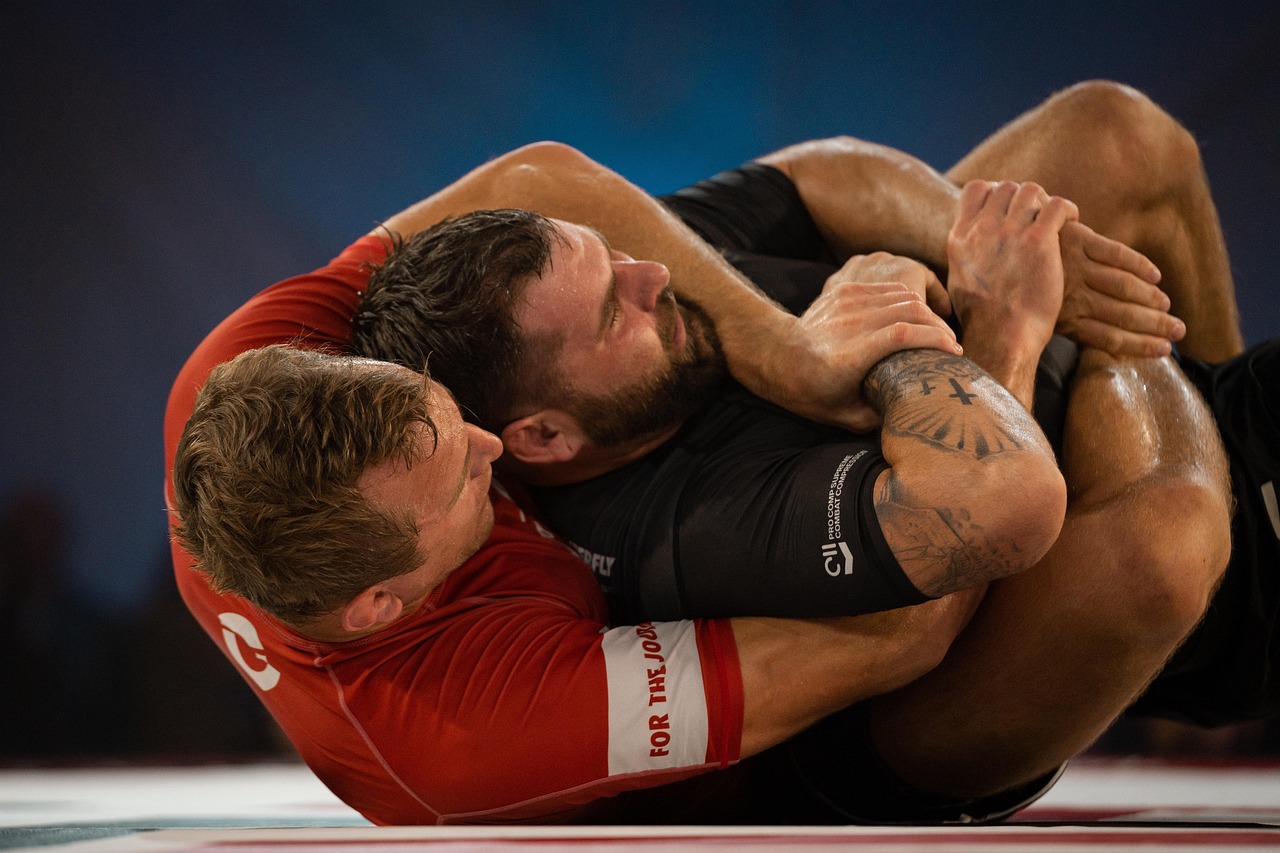
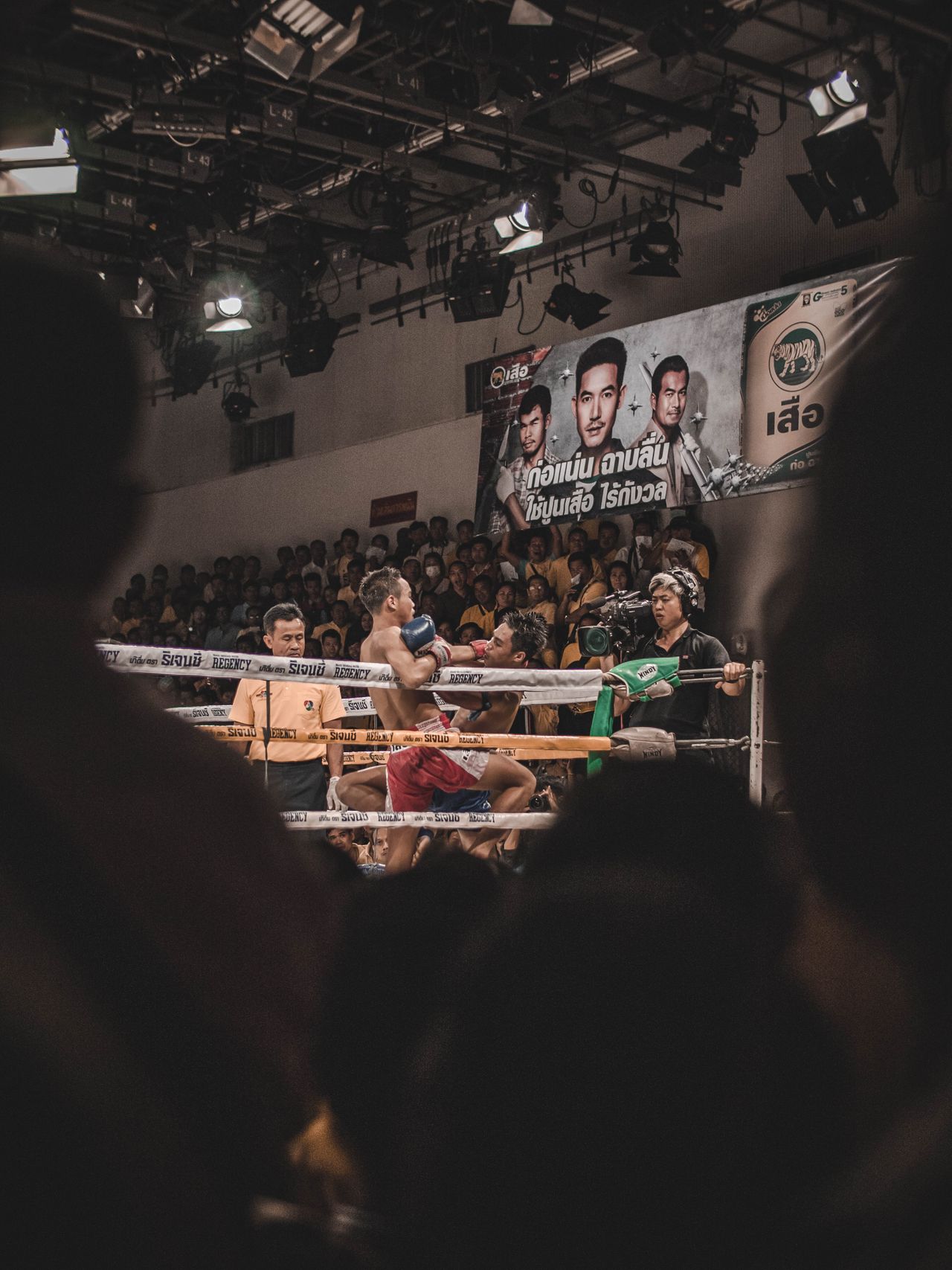
Palau’s combat-sports base is still forming around the disciplines that translate best into MMA. Brazilian jiu-jitsu gives athletes a technical route into grappling, especially because it can be practiced in small academies without needing a large team structure. Boxing and Muay Thai provide the striking base, while wrestling is harder to build without a school or club system. That unevenness matters. Countries with strong wrestling pipelines often produce MMA-ready athletes faster, while smaller island scenes usually grow first through stand-up combat sports, jiu-jitsu, and individual coaches who connect athletes to larger regional networks.
Palau does have signs of an MMA identity, but it should not be overstated. The country has a limited number of listed MMA competitors, with Warren “The Meek Mustang” Collado standing out as one of the few fighters publicly associated with Palau in combat-sports databases. That is important because small-country MMA histories often begin with one or two names rather than a full generation. A single athlete willing to compete under the national flag can become a reference point for everyone who follows.
The next step for Palau is not simply “more UFC fighters.” That would skip too many stages. The more important markers are local coaching depth, regular grappling and striking classes, safe sparring environments, youth participation, and competition links with nearby Pacific markets. Guam is especially relevant as a regional combat-sports point of comparison because it has a stronger MMA and jiu-jitsu culture than most Micronesian markets. Palauan athletes who can access that wider Pacific circuit will have more realistic development than athletes limited to isolated training.
For now, MMA in Palau remains a small-scene story with room to grow. Its future depends less on one star and more on whether the sport becomes repeatable: regular training, regular competition, and a clear route from beginner classes to amateur bouts. If that structure grows, Palau could build a modest but meaningful MMA identity within the Pacific, one shaped by mobility, toughness, regional partnerships, and athletes who are comfortable representing a small nation in a global sport.