Pittsburgh boxing is not built around glamour. It is built around hard rooms, hard rounds, and fighters whose reputations often outlived the size of the market that produced them. The city belongs to the older American boxing map, where industrial neighborhoods, ethnic clubs, local promoters, and serious gyms created fighters before boxing became a television-first sport. Pittsburgh was never Las Vegas or New York, but it produced enough elite names to make the city impossible to ignore in any serious account of American boxing.
The city’s boxing identity begins with its champions and near-mythic contenders. Harry Greb, one of the most respected fighters in boxing history, came from Pittsburgh and remains one of the central names in Pennsylvania boxing. Billy Conn gave the city another defining figure, winning the world light heavyweight title in 1939 before becoming famous for his heavyweight title fights with Joe Louis. Pittsburgh’s boxing roll call also includes Charley Burley, Fritzie Zivic, Teddy Yarosz, Bob Baker, Eddie Chambers, and other fighters tied to the city’s deep fight culture. The concentration is not accidental. Pittsburgh produced fighters from a local environment where boxing was a practical sport, a neighborhood sport, and a way for tough athletes to move through the world.
What makes Pittsburgh different from a simple “famous boxers from Pittsburgh” list is the density of styles and reputations. Greb was relentless, awkward, and historically great. Conn was a brilliant boxer who carried light heavyweight skill into heavyweight danger. Burley became one of boxing’s great uncrowned figures, admired by historians for his craft even though he never received the title opportunity his ability deserved. Zivic represented a rougher professional education, the kind of fighter whose craft included pressure, infighting, rhythm breaks, and every veteran habit a clean technician hated seeing across the ring. Pittsburgh boxing did not produce one type of fighter. It produced clever fighters, mean fighters, durable fighters, and fighters who could survive in hostile matchmaking.
The city’s boxing history also sits inside the wider story of western Pennsylvania. Pittsburgh’s industrial economy, immigrant communities, and working-class neighborhoods gave boxing a natural home. The sport fit the city’s rhythm: after-school gyms, local fight nights, small purses, ethnic rivalries, neighborhood pride, and trainers who could spot toughness before they could polish technique. In that environment, boxing was less a boutique activity than a proving ground. A Pittsburgh fighter did not need a perfect record to be respected. He needed to be able to fight.
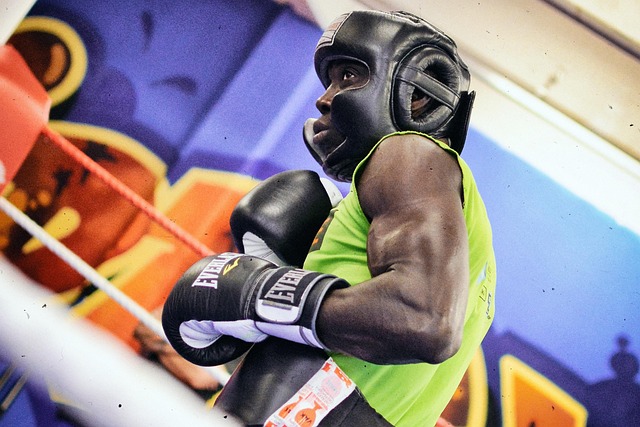
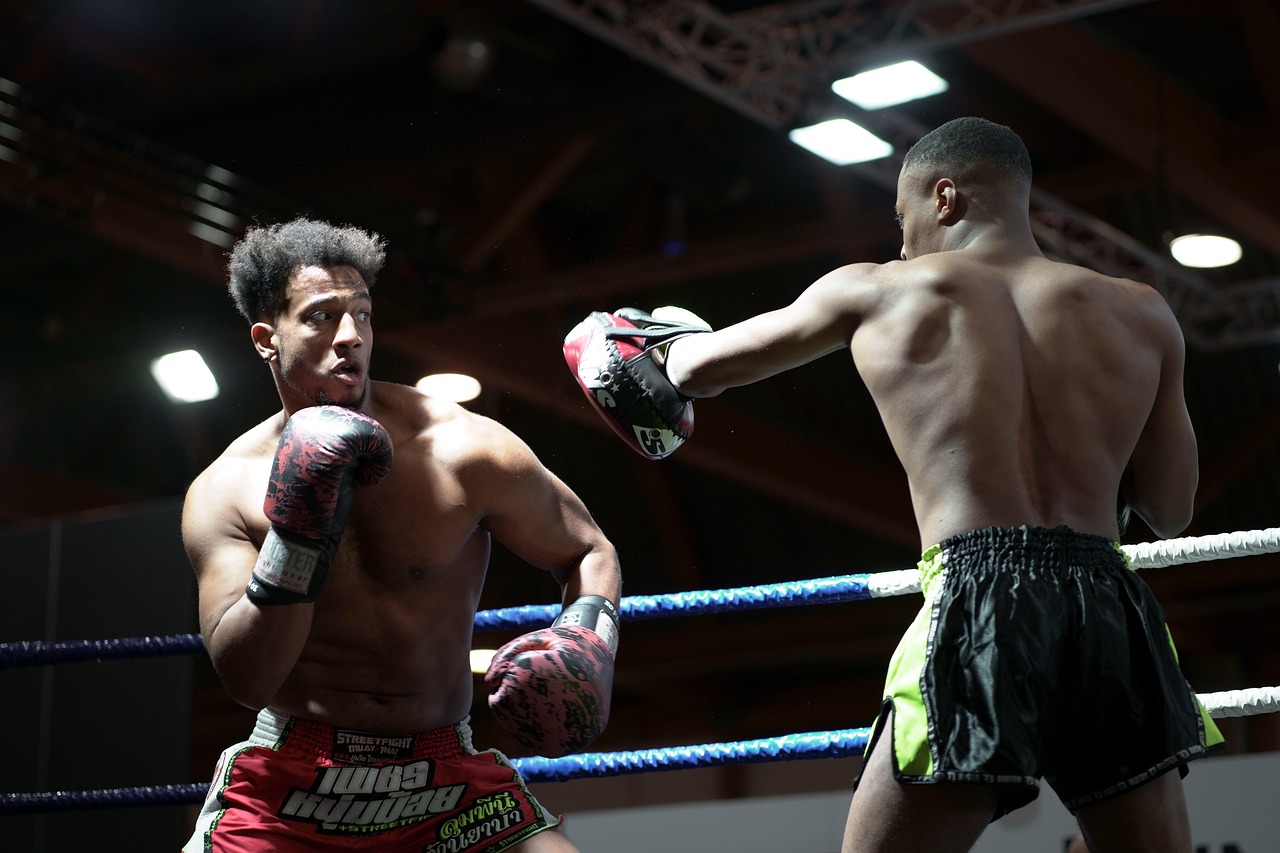
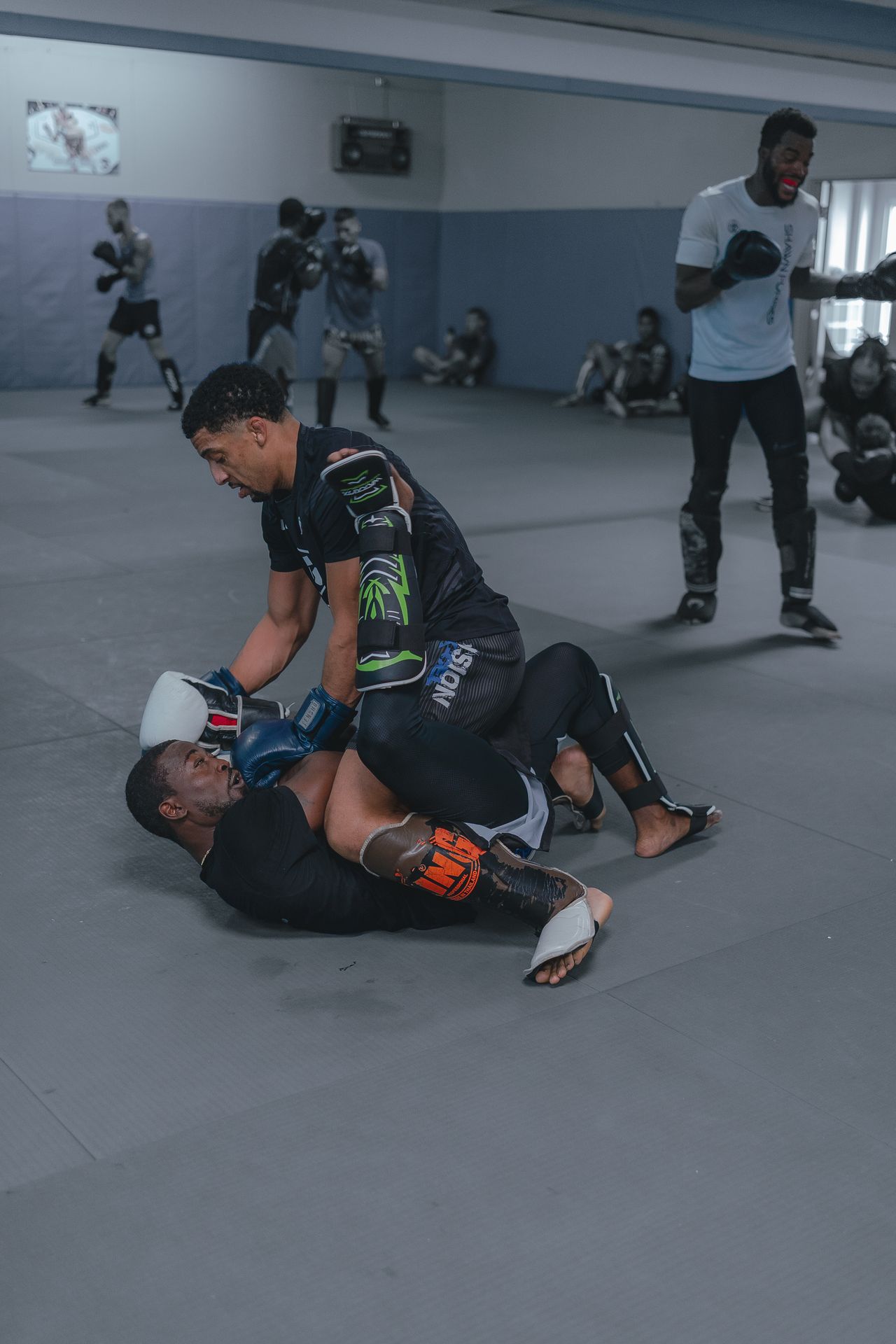
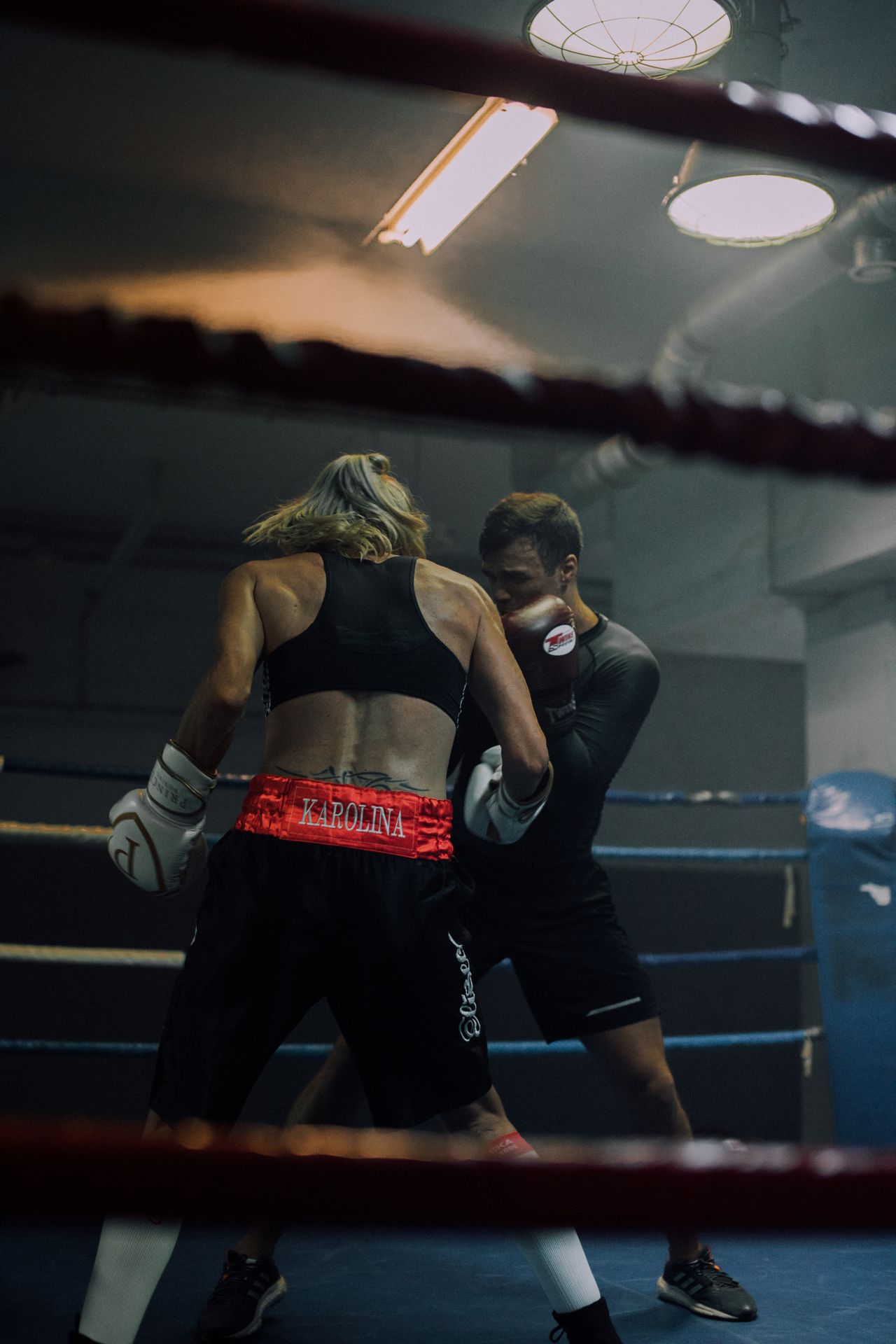
Modern boxing in Pittsburgh is smaller than its golden-era footprint, but the city still carries the habits of a real boxing town. Its gyms are not just fitness rooms with gloves on the wall. The best of them inherit the old expectations: footwork, defense, sparring discipline, conditioning, and respect for the local line of fighters who came before. Amateur boxing remains important because it gives the city’s young fighters a structured way into the sport without needing immediate access to major promoters or national television.
Pittsburgh’s current professional pathway usually runs through regional shows, Pennsylvania cards, nearby Ohio markets, and larger East Coast opportunities. That is not a weakness. It is part of the city’s realistic boxing identity. Pittsburgh is not an every-month title-fight destination, but it is a city with enough tradition to matter whenever a serious fighter emerges. The name still carries weight because it suggests a certain kind of schooling.
The future of boxing in Pittsburgh depends on whether its gyms and local shows can keep connecting history to participation. The city has already given boxing more than its market size would suggest. Its best case going forward is not to imitate Las Vegas or Philadelphia, but to remain Pittsburgh: a tough, historically rich fight city where a boxer is judged by craft, nerve, and the ability to hold up under pressure.