MMA in West Virginia is best understood as a small Appalachian fight scene built around toughness, local gyms, boxing roots, Brazilian jiu-jitsu rooms, and regional fight nights rather than a long list of nationally famous stars. The state has produced a few names with real MMA relevance, but its identity is not that of a major UFC pipeline. West Virginia’s MMA culture is more local, more rugged, and more dependent on community-based gyms that blend boxing, grappling, kickboxing, and self-defense into practical fight training.
The most important name connected to West Virginia MMA history is Brian Bowles. Born in Charleston and raised partly in Chesapeake, Bowles became one of the best bantamweights of the WEC era and won the WEC bantamweight title before later competing in the UFC. His career matters because he gives West Virginia a legitimate championship link to the lighter-weight development period before the UFC absorbed the WEC divisions. At the same time, Bowles’ career also shows the limits of the state’s MMA infrastructure: he became a major fighter after moving into the Georgia scene and training at The HardCore Gym, later associated with SBG Athens.
That pattern is important. West Virginia can produce tough athletes, but many fighters who want a deeper professional runway eventually need to connect with larger regional circuits in Ohio, Pennsylvania, Virginia, Kentucky, North Carolina, Georgia, or the wider Southeast. The state’s own scene is active, but it is not dense enough to function like California, Florida, Texas, New Jersey, or Wisconsin. Fighters often develop locally, take amateur bouts close to home, then travel for better matchmaking, deeper cards, or higher-level camps.
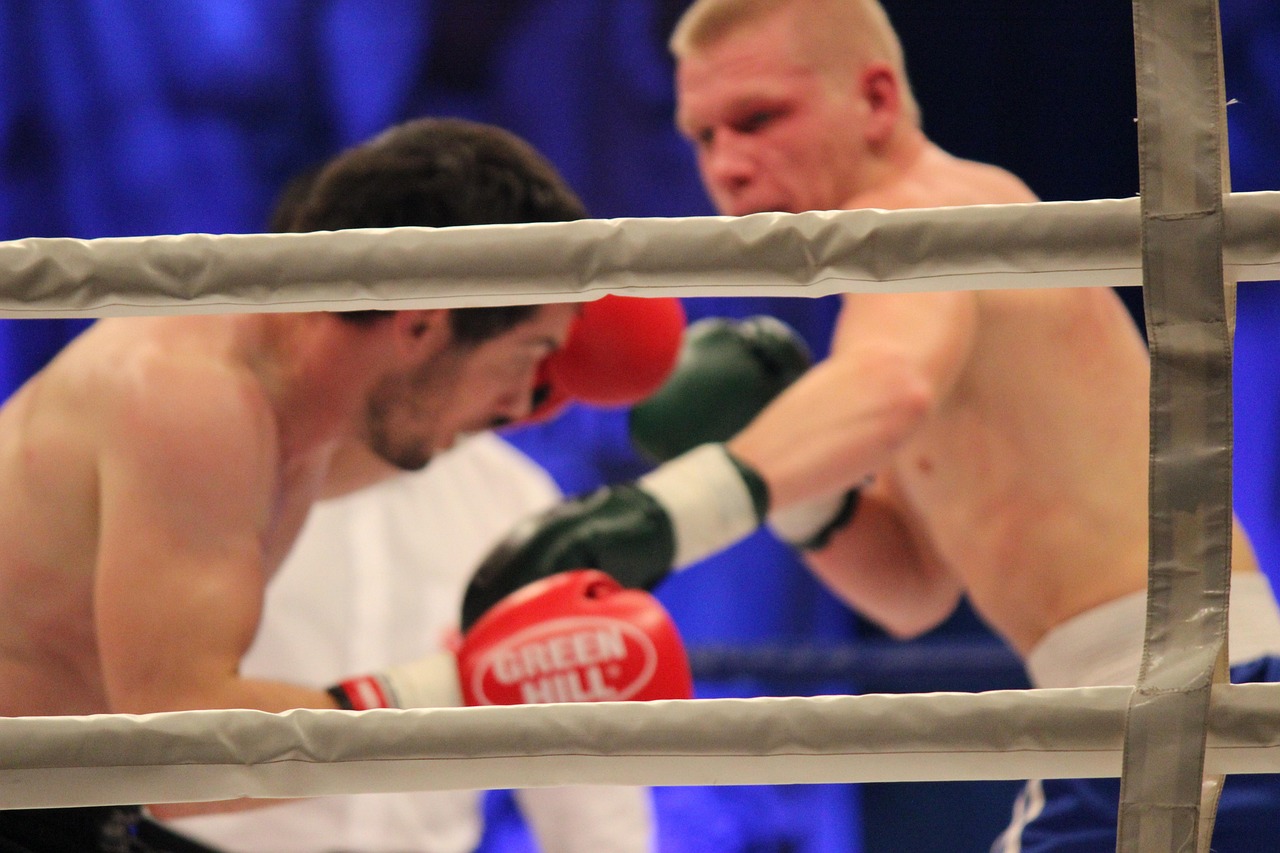
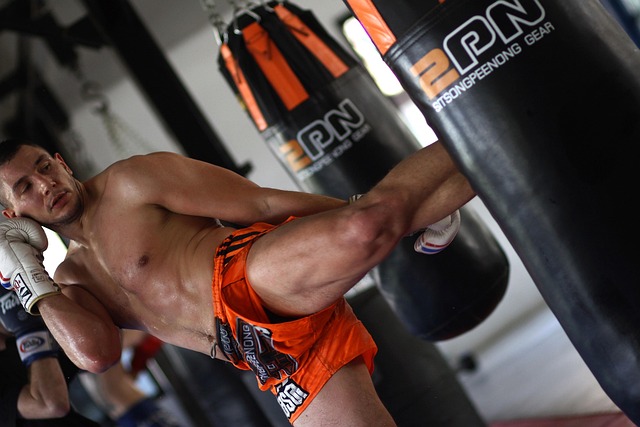
The state’s combat-sports foundation is broader than MMA alone. Boxing, Toughman-style events, wrestling, kickboxing, and Brazilian jiu-jitsu all matter. West Virginia has long had a blue-collar fight culture, and that background fits the MMA gym model well: athletes are used to hard conditioning, close-contact competition, and local crowds that understand toughness. The challenge is not whether the state has a fighting temperament. The challenge is building enough consistent coaching, sparring partners, promotions, and amateur-to-pro pathways to turn that temperament into a repeatable MMA pipeline.
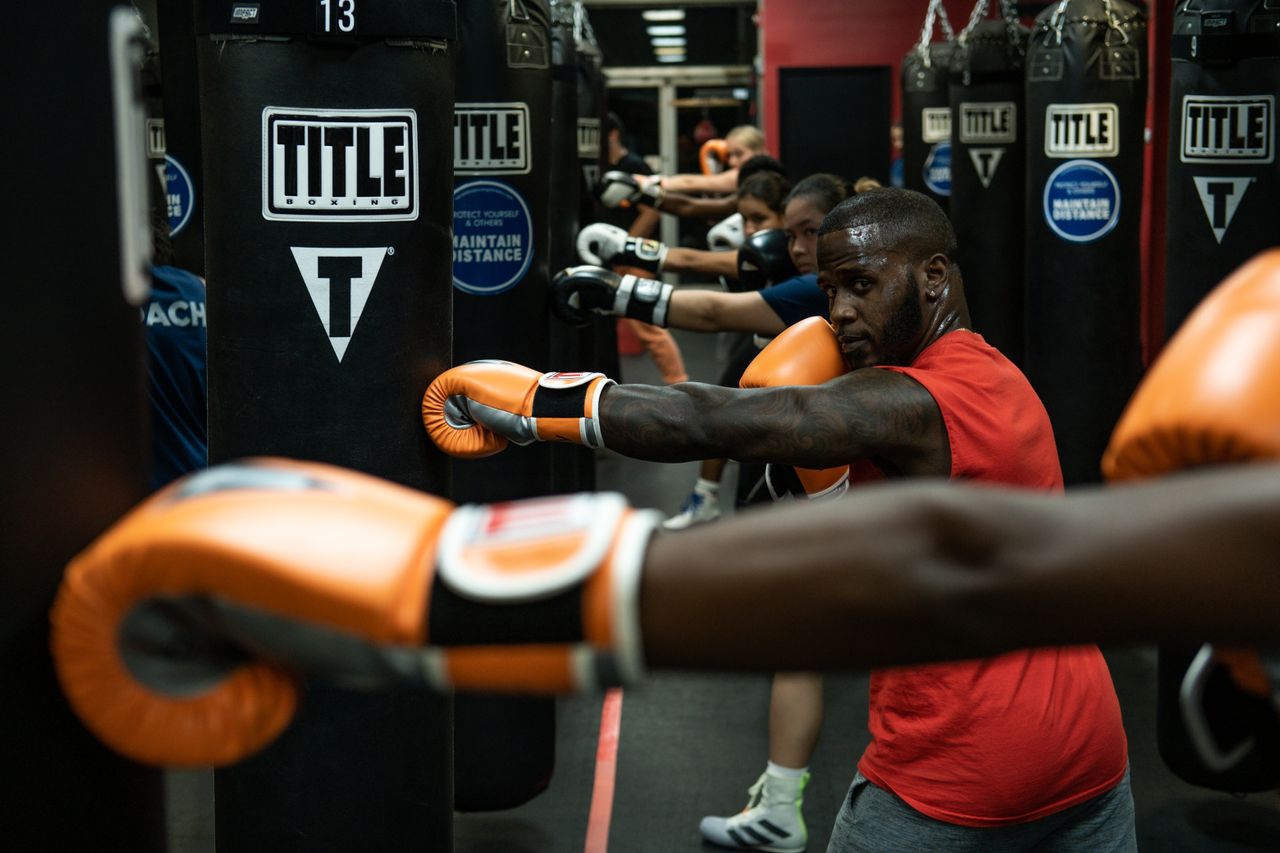
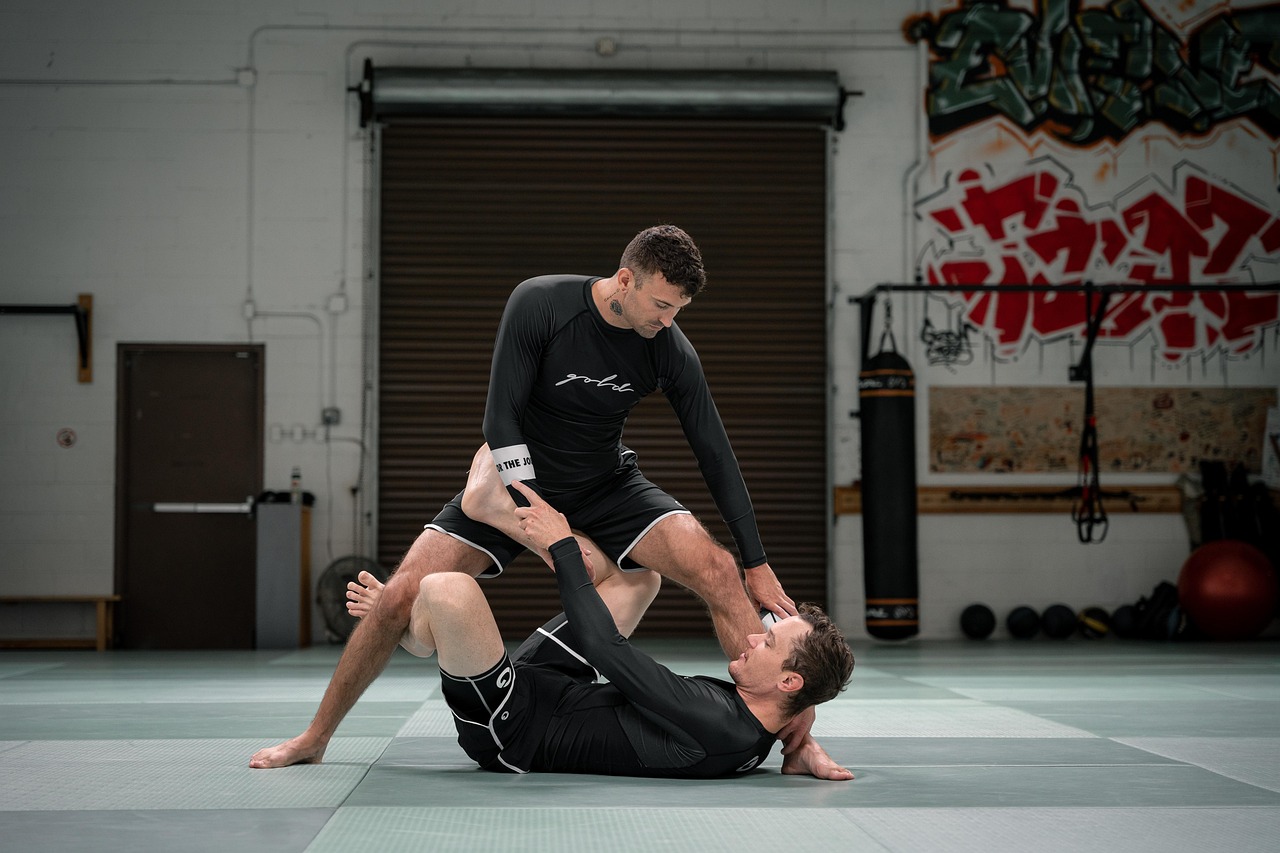
Charleston is one of the state’s clearest anchors. Butch Hiles BJJ and MMA has been part of the capital-area grappling and MMA landscape, offering Brazilian jiu-jitsu, kickboxing, self-defense, Krav Maga, MMA, and related combat training. The academy’s own material emphasizes BJJ black belt instruction and training for local BJJ and MMA competitors, which reflects how West Virginia MMA often grows through grappling rooms rather than through large, fully professional fight camps.
Other parts of the state show the same decentralized pattern. Morgantown, Charleston, Beckley, Parkersburg, New Martinsville, St. Albans, and smaller towns all have pieces of the combat-sports map. Tapology’s West Virginia gym listings include Butch Hiles BJJ and MMA in Charleston, Renzo Gracie Morgantown, RONIN Jiu-jitsu & MMA in Parkersburg, Rebel Cat Fitness in New Martinsville, Swift Combat in Matewan, and other smaller rooms across the state. That kind of distribution matters because West Virginia is not a single-metro fight market. It is a state where MMA survives through scattered pockets of training rather than one dominant hub.
The local fighter pool is also mostly regional. Tapology’s West Virginia pages track active amateur and regional fighters, with recent names appearing across amateur and lower-level professional records rather than on major national cards. That does not make the scene unimportant. It simply places it in the correct category: West Virginia MMA is a development scene, not a destination scene. The relevant question is not how many UFC fighters the state has produced, but whether the gyms and promotions give local athletes enough structured competition to improve.
The events calendar shows that combat sports remain present in the state. The West Virginia Athletic Commission lists boxing, kickboxing, semi-pro MMA, and Toughman-related events in cities such as Charleston, Bridgeport, Wayne, Clarksburg, and Beckley. New Line Cagefighting also presents itself as a West Virginia MMA promotion bringing cage events to the state. Those cards are the practical backbone of West Virginia MMA: they give amateurs a first walk, regional pros a platform, and gyms a reason to keep building fight teams.
The future of MMA in West Virginia depends on consistency. The state does not need to pretend to be a national powerhouse. Its real opportunity is to become a reliable Appalachian fight market, connecting local gyms with regional promotions and giving wrestlers, boxers, and grapplers a reason to stay active after high school or college. West Virginia MMA will probably remain smaller than the scenes around it, but it has a clear identity: gritty, regional, practical, and rooted in towns where combat sports still feel close to the community.