Taiwan’s combat sports identity is not built around one dominant professional fight league or one single national style. It is a layered scene shaped by Olympic martial arts, boxing success, urban MMA gyms, Brazilian jiu-jitsu growth, sanda, taekwondo, judo, and a practical training culture centered heavily in Taipei and other major cities. For people searching for combat sports in Taiwan, the best way to understand the scene is to see it as a meeting point between traditional martial arts, international competition, and modern gym-based training.
Taekwondo and judo give Taiwan some of its strongest Olympic combat sports credentials. Boxing has gained major visibility through international success, especially at the Olympic level. MMA has developed more gradually, with most serious activity concentrated around Taipei and supported by gyms that combine striking, grappling, conditioning, and cage-sport preparation. Brazilian jiu-jitsu has also become more visible, particularly among adults, expatriates, traveling grapplers, and athletes who want a technical ground-fighting base.
Taiwan is not the same kind of combat sports market as Thailand, Japan, South Korea, Brazil, or the United States. It does not have one world-famous national fight style that overwhelms the rest of the landscape. Its strength is breadth. A newcomer can find taekwondo, boxing, judo, sanda, Muay Thai, Brazilian jiu-jitsu, MMA, karate, and self-defense training, especially in larger urban areas. A competitive athlete can find clubs and coaches connected to amateur competition, regional fight cards, and international martial arts networks. A fan can follow a scene that is still developing, but already has meaningful links to Asian combat sports.
That makes Taiwan an especially interesting combat sports location. It has enough Olympic success to be taken seriously, enough urban training infrastructure to support serious athletes, and enough variety to serve beginners who are simply looking for fitness, discipline, confidence, or a first martial arts class.
Taiwan’s Olympic Martial Arts Foundation
Taiwan’s strongest combat sports reputation begins with Olympic martial arts. Taekwondo has been especially important. The sport’s mix of kicking speed, tactical distance control, electronic scoring, and international federation structure fits Taiwan’s broader sporting profile: technical, disciplined, coach-driven, and capable of producing athletes who can perform on the global stage.
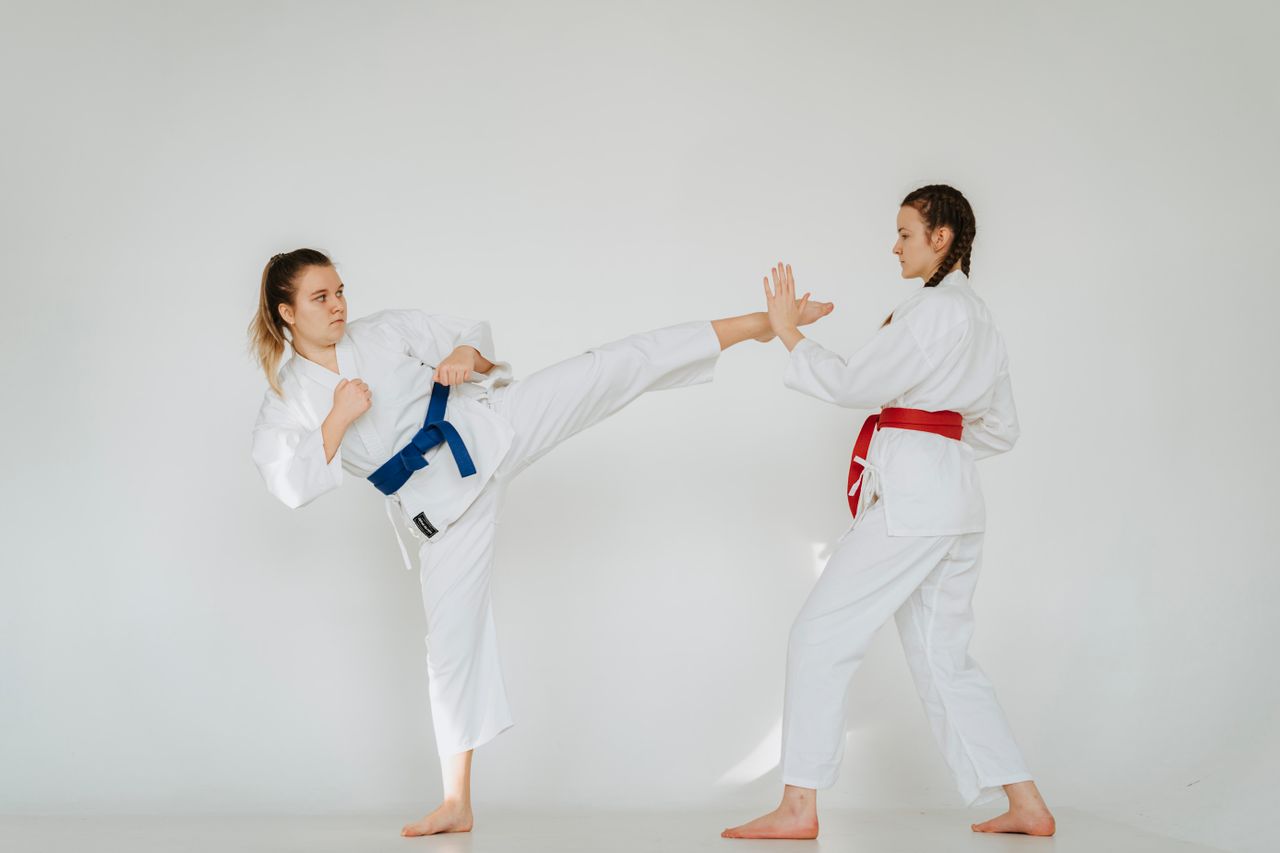
For many people in Taiwan, taekwondo is one of the most familiar martial arts because it works well for children, schools, recreational students, and high-level competitors. It offers a structured belt system, visible progression, and a clear competition pathway. That makes it different from combat sports that require a harder jump into sparring or full-contact preparation. A young student can begin with forms, footwork, flexibility, and controlled kicking before moving toward tournament competition.
Judo also plays a significant role in Taiwan’s combat sports identity. Unlike striking sports, judo develops balance, grip fighting, throws, pins, and submission awareness. It is both an Olympic sport and a practical grappling system, which gives it a different place in the ecosystem than recreational martial arts. Judo’s influence also crosses into MMA and submission grappling because athletes who understand clinch control, takedowns, and top pressure can transition into broader combat sports training.
Taiwan’s judo culture is not as globally famous as Japan’s or as deep as some of the sport’s traditional powerhouses, but its international results have made it a serious part of the island’s athletic identity. The sport gives Taiwan a grappling base that sits alongside the growth of Brazilian jiu-jitsu and MMA. For young athletes, judo can be a competitive sport on its own. For adult martial artists, it can become part of a larger grappling education. For MMA athletes, it provides tools that apply directly to cage control, takedown defense, and transitions from standing exchanges to ground work.
This Olympic foundation matters because it separates Taiwan from purely recreational martial arts markets. Combat sports in Taiwan are not just fitness classes or hobby gyms. The island has a genuine competitive structure in several disciplines, with athletes who understand the demands of international tournament sport.
Boxing in Taiwan After a New Olympic Breakthrough
Boxing has become one of Taiwan’s most visible combat sports. Historically, it did not occupy the same cultural space in Taiwan that it has in countries such as the Philippines, Cuba, Mexico, the United States, or Thailand. It was present, respected, and competitive, but not always the first sport people associated with Taiwanese martial arts.
That changed as Taiwanese boxing gained international attention. Olympic-level success gave the sport a clearer public identity and helped connect local boxing gyms to a broader national story. Boxing is easy for casual fans to understand: two athletes, gloves, footwork, punches, defense, stamina, and ring intelligence. It also translates well into fitness culture, which is one reason boxing classes appeal to both competitive fighters and beginners.
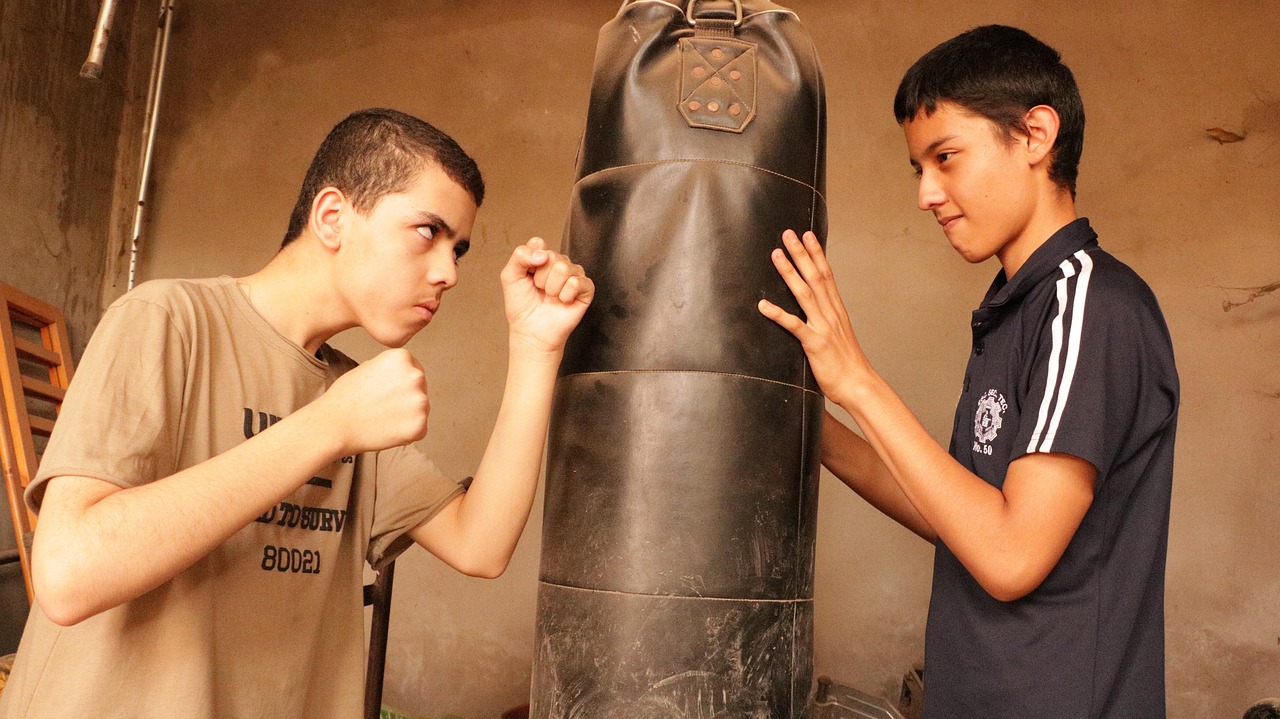
For a new student in Taiwan, boxing offers one of the clearest entries into combat sports. It teaches stance, guard, jab, cross, hooks, uppercuts, head movement, distance, timing, and conditioning. Unlike MMA or Brazilian jiu-jitsu, the early learning curve is not complicated by dozens of positions or rule variations. A beginner can feel progress quickly through bag work, mitt drills, skipping rope, shadowboxing, and controlled partner drills.
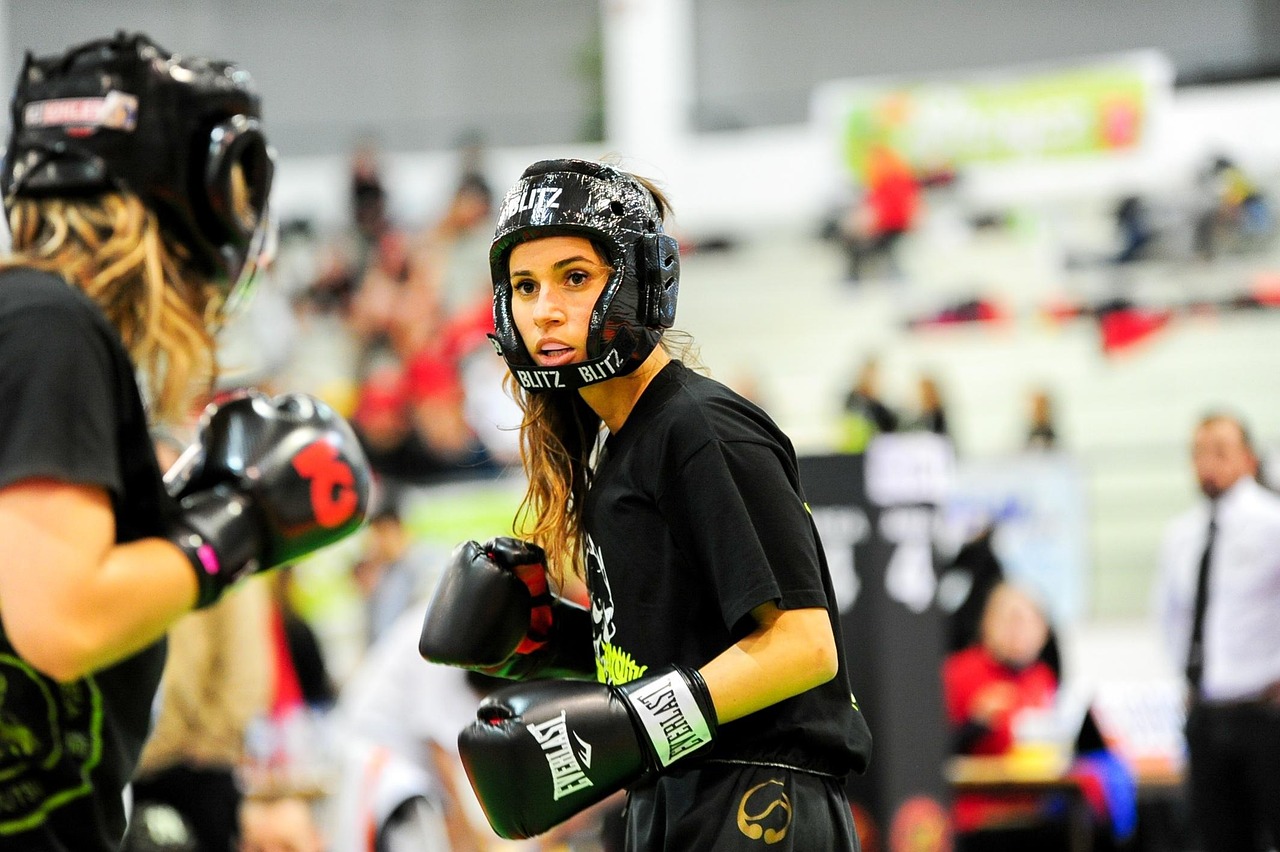
For serious athletes, boxing is a foundation that crosses into other disciplines. MMA fighters need boxing to enter safely, defend in the pocket, punish mistakes, and manage range. Muay Thai and kickboxing athletes benefit from boxing mechanics even when their stance and rhythm differ. Sanda athletes use boxing in combination with kicks and throws. Even grapplers benefit from understanding boxing because takedown entries in MMA are shaped by how opponents punch and defend.
In Taiwan, boxing is especially important because it gives the broader combat sports scene a more visible competitive anchor. A country can have many martial arts schools, but Olympic boxing success creates a different kind of legitimacy. It tells young athletes, parents, coaches, and fans that boxing is not just a recreational class. It is a sport in which Taiwanese athletes can compete internationally.
MMA Training in Taiwan
Mixed martial arts in Taiwan is still a developing scene compared with the major MMA markets of Asia, but it has become much more visible through urban gyms, regional promotions, and the spread of cross-training culture. Taipei is the natural center of this development. As Taiwan’s largest urban hub, it has the population density, international community, transportation access, and fitness culture needed to support MMA gyms and combat sports academies.
MMA training in Taiwan usually depends on a blend of striking, grappling, conditioning, and sparring. A student might train boxing or Muay Thai for stand-up, Brazilian jiu-jitsu or submission grappling for ground work, wrestling or judo for takedowns, and MMA-specific classes for cage awareness and transitions. That structure reflects the sport itself. MMA is not simply a collection of martial arts placed next to each other. It requires athletes to connect the phases: striking into takedowns, takedowns into control, control into submissions, and striking into defensive grappling.
For beginners, the best MMA gyms in Taiwan are usually the ones that separate skill development from hard sparring. Good programs teach fundamentals first. Students learn stance, movement, pad work, safe falling, guard retention, clinch basics, takedown defense, and positional control before being pushed into live rounds. This matters because MMA has a broader technical range than single-discipline combat sports. A person who only wants fitness can still benefit from MMA training, but a person who wants to compete needs a gym that can build skills in stages.
Taiwan’s MMA identity is also shaped by its regional position. It sits near Japan, South Korea, China, Hong Kong, the Philippines, and Southeast Asia, all of which influence Asian combat sports in different ways. Japanese MMA history, Korean taekwondo and judo, Filipino boxing culture, Thai striking, and global Brazilian jiu-jitsu all sit within Taiwan’s wider martial arts orbit. Taiwan’s MMA scene is therefore less about isolation and more about adaptation.
Local and regional fight cards are important because they give athletes a reason to train beyond the recreational level. Without competition opportunities, MMA gyms can become fitness centers with fight branding. With amateur and professional events, athletes can test their skills, coaches can develop fight teams, and fans can begin to recognize local names. Taiwan’s scene has shown signs of that competitive development, especially through mixed-format cards that include MMA, striking, and modified rulesets.
Taipei as the Center of Fight Training
Taipei is the clearest starting point for combat sports in Taiwan. The city has the largest concentration of gyms, coaches, international residents, students, and recreational athletes. It is also the place where visitors are most likely to find English-friendly martial arts instruction, multi-discipline academies, and access to Brazilian jiu-jitsu, MMA, Muay Thai, boxing, sanda, and fitness-based striking.
The geography of Taipei helps combat sports participation. A dense urban environment allows students to reach gyms after work or school without needing long suburban drives. Districts with strong public transportation access are especially valuable because combat sports training often requires consistency. A person who can reach a gym three or four times a week is more likely to develop than someone who has to cross a difficult commute every session.
Taipei’s combat sports scene also reflects the city’s international character. Foreign residents, visiting athletes, business travelers, and students help support gyms that teach in both Mandarin and English. This has been particularly important for Brazilian jiu-jitsu and MMA, where international training networks are a major part of the sport’s culture. A BJJ practitioner traveling through Taiwan wants a gym with open mats, clear class levels, and instructors who can explain positions. An MMA athlete wants sparring partners with different backgrounds. A beginner wants a place where the rules, etiquette, and safety expectations are easy to understand.
Outside Taipei, combat sports access becomes more uneven but still meaningful. New Taipei, Taichung, Kaohsiung, Tainan, Taoyuan, and other urban centers can support boxing gyms, martial arts schools, taekwondo programs, judo clubs, BJJ groups, and striking classes. The scene is usually more concentrated than in Taipei, but that does not mean it is weak. In many countries, smaller combat sports communities can be tightly connected because serious students know where the real training is happening.
For people comparing combat sports options in Taiwan, location matters. Taipei offers the broadest menu. Other cities may offer fewer choices, but can still provide strong coaching in specific disciplines. A smaller city with a good judo club, boxing coach, or BJJ academy may be better for a particular student than a larger market with more generic options.
Brazilian Jiu-Jitsu, Judo, and Grappling Culture
Brazilian jiu-jitsu has become one of the most important growth disciplines in Taiwan’s modern combat sports scene. BJJ appeals to adults because it is technical, strategic, and scalable. Students can train at different intensities, progress through belt ranks, compete in tournaments, and participate in open mats without needing to pursue professional fighting. It also attracts MMA athletes because ground control, submissions, guard passing, back control, and escapes are essential parts of cage fighting.
Taiwan’s BJJ community is helped by the sport’s international culture. Unlike some traditional martial arts, Brazilian jiu-jitsu is highly mobile. Practitioners travel, drop into gyms, attend seminars, compete in regional events, and follow global instruction online. That makes Taiwan an attractive stop for grapplers living in or traveling through East Asia. A well-run BJJ academy can become both a local training room and an international meeting point.
The relationship between BJJ and judo is especially important in Taiwan. Judo gives athletes throwing ability, posture, pressure, and grip fighting. BJJ gives athletes extended ground-fighting development, guard work, submissions, positional strategy, and no-gi adaptation. The two arts are different, but they overlap in valuable ways. A judoka who learns BJJ can become more comfortable after the throw. A BJJ athlete who learns judo can become more dangerous before the fight reaches the ground.
Submission grappling and no-gi training add another layer. These formats are especially useful for MMA because they reduce dependence on the gi and emphasize body locks, wrestling-style control, leg attacks, front headlocks, back takes, and cage-relevant scrambles. As MMA grows in Taiwan, no-gi grappling becomes more important because it bridges the technical gap between traditional judo, gi jiu-jitsu, and full mixed martial arts.
For beginners, grappling can be less intuitive than striking. Punching a bag feels natural quickly; escaping mount or defending a choke takes more explanation. But grappling often becomes deeply engaging once students understand the positional logic. It rewards patience, leverage, timing, and problem-solving. In Taiwan, that makes BJJ and judo strong choices for adults who want a serious martial art without necessarily entering a boxing ring or MMA cage.
Striking Sports: Taekwondo, Muay Thai, Kickboxing, Sanda, and Karate
Taiwan’s striking scene is wider than boxing alone. Taekwondo gives the country its clearest Olympic striking tradition. Muay Thai and kickboxing serve students who want a more ring-oriented striking system. Sanda connects Chinese martial arts with practical combat sport rules. Karate remains part of the traditional martial arts landscape, especially for students looking for structure, discipline, forms, and striking fundamentals.
Each striking style serves a different audience. Taekwondo is often attractive for children and families because of its school structure, belt progression, and tournament pathway. Muay Thai appeals to students who want hard pad work, kicks, knees, elbows, clinch training, and intense conditioning. Kickboxing offers a more streamlined striking format, often blending boxing with kicks in a way that works well for fitness and competition. Sanda is valuable because it includes punches, kicks, and takedowns, making it especially relevant to athletes interested in bridging traditional Chinese martial arts and modern combat sports.
Karate has a different role. It may not be the center of Taiwan’s professional combat sports scene, but it contributes to the broader martial arts culture. For many students, karate offers a disciplined introduction to movement, balance, distance, and respect for training structure. Some karate athletes later move into kickboxing, MMA, or self-defense systems, while others remain within traditional practice and point-fighting competition.
The growth of striking sports in Taiwan also reflects the broader fitness market. Many people are drawn to boxing, Muay Thai, and kickboxing because the training is physically demanding and easy to understand. Pad rounds, bag rounds, footwork drills, and conditioning circuits provide a clear workout. Not every student wants to compete. Some want stress relief, coordination, confidence, and fitness. Good striking gyms can serve both audiences by separating technical classes, fitness classes, sparring sessions, and fight-team training.
For MMA development, striking variety is useful. A fighter with only boxing may struggle against kicks and clinch knees. A fighter with only taekwondo may need stronger hands and defensive boxing. A Muay Thai athlete may need takedown defense. A sanda athlete may already understand striking-to-throw transitions. Taiwan’s diversity of striking arts gives athletes multiple entry points into modern combat sports.
Competition Pathways and Local Fight Culture
The competitive side of combat sports in Taiwan is strongest where there is a clear structure. Olympic sports such as taekwondo, judo, and boxing have formal pathways, national associations, tournament systems, and international benchmarks. That makes them easier for young athletes and parents to understand. A student can train, enter local events, move toward national competition, and potentially pursue international representation.
MMA is less standardized, which is normal in many countries. The sport depends heavily on gyms, coaches, promoters, and regional opportunities. Amateur MMA development is especially important because it gives fighters experience before they enter professional bouts. A healthy MMA scene needs safe matchmaking, medical standards, competent refereeing, weight management, and coaches who know when an athlete is ready.
Taiwan’s local fight culture has also included mixed-format events, where MMA can appear alongside cage striking, modified boxing rules, or other combat formats. This kind of experimentation can help a developing market because it gives athletes with different backgrounds a place to compete. A pure grappler may not be ready for MMA. A striker may want a cage striking format before dealing with takedowns. A sanda athlete may fit well into hybrid rules that reward clinch striking and stand-up exchanges.
For fans, these events matter because they make the scene visible. A country can have many gyms, but without shows, tournaments, and recognizable athletes, the public may not feel a connection to the sport. Fight cards give local combat sports a calendar. They create rivalries, showcase coaches, identify prospects, and help beginners see what serious training can become.
Taiwan’s combat sports future will likely depend on how well these pathways connect. Boxing, taekwondo, and judo already have formal sporting identities. BJJ has a growing academy and tournament culture. MMA needs continued support from gyms, promotions, and athletes willing to cross-train seriously. If those pieces keep developing, Taiwan can become a stronger regional combat sports market without needing to copy the identity of larger fight nations.
Choosing the Right Combat Sport in Taiwan
The best combat sport in Taiwan depends on the student’s goal. A beginner who wants fitness and confidence may start with boxing, kickboxing, or Muay Thai. These classes are physically direct, structured, and easy to follow. A child may begin with taekwondo, judo, karate, or a youth boxing program depending on what is available nearby. An adult who wants technical depth without striking may prefer Brazilian jiu-jitsu or judo. A serious competitor may need a gym that offers multiple disciplines and a proven pathway into tournaments or fight cards.
For self-defense, the answer is usually not one single style. Boxing teaches distance and hand defense. Muay Thai teaches clinch awareness and powerful striking. Judo teaches balance, falling, throws, and control. BJJ teaches escapes and ground survival. MMA combines the phases. A practical student in Taiwan should look for a coach who teaches realistic movement, controlled resistance, and safe progression rather than only memorized techniques.
For athletes, the key question is coaching depth. A serious boxing gym should teach defense, footwork, ring craft, sparring control, and competition preparation. A serious BJJ academy should have structured classes, positional training, live rolling, and clear belt standards. A serious MMA gym should teach transitions, not just separate striking and grappling classes. A serious judo or taekwondo program should have competition experience and technical discipline.
Taiwan offers enough variety for most students to find the right fit, especially in Taipei and other major urban areas. The strongest approach is to match the discipline to the goal. Fitness students, competitors, children, adults, travelers, and aspiring fighters do not all need the same gym. Taiwan’s combat sports scene is broad enough to serve each group, but the best choice depends on training purpose, location, schedule, language needs, and coaching quality.
Taiwan’s Place in Asian Combat Sports
Taiwan’s combat sports scene is still evolving, but it already has a clear identity. It is an Olympic martial arts country with serious taekwondo, judo, and boxing credentials. It is an urban training market where Taipei anchors much of the modern MMA, BJJ, Muay Thai, and boxing scene. It is a regional combat sports location connected to Japan, South Korea, Southeast Asia, China, and the wider global martial arts community.
What makes Taiwan distinctive is not dominance in one style. It is the combination of structure and experimentation. Taekwondo and judo provide formal martial arts foundations. Boxing gives Taiwan a growing international profile. Brazilian jiu-jitsu brings a global academy culture. MMA connects the disciplines into a modern fight format. Sanda, kickboxing, karate, and Muay Thai add striking variety. Local events create opportunities for athletes to test themselves.
For beginners, Taiwan is a strong place to start combat sports because the range of options is wide and the major cities offer accessible training. For competitors, the scene rewards athletes who are willing to cross-train and seek out the best coaching available. For fans, Taiwan is a developing combat sports market with enough Olympic success, regional MMA activity, and urban gym culture to deserve attention.
Combat sports in Taiwan are best understood as a technical, multi-discipline ecosystem. The island may not be defined by one globally famous fighting style, but it has built a serious martial arts landscape through Olympic achievement, gym development, grappling growth, striking diversity, and a rising appetite for modern fight sports.